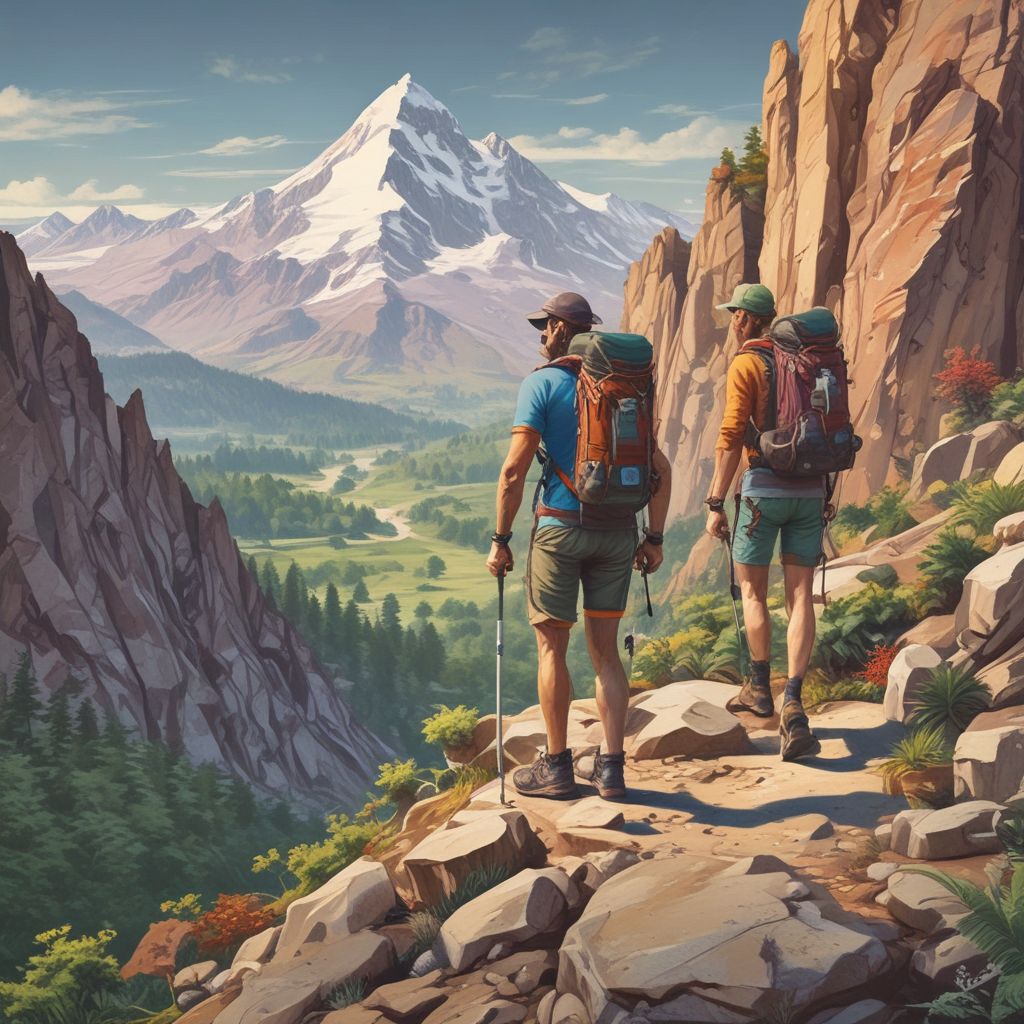
The craze for “10-Minute Summits” is sweeping cities and suburbs alike—these short, steep urban climbs offer busy hikers a way to get high-intensity fitness, fresh air, and a dose of local stewardship in roughly the time it takes to drink a coffee. Whether you have a lunch hour, a school-run window, or a quick commute detour, a 10-minute summit can deliver cardiovascular gains, mental clarity, and stronger community ties without the travel footprint of a weekend getaway.
Why 10-Minute Summits are Taking Off
Modern life compresses available free time into pockets—commuters, parents, and remote workers want meaningful movement that doesn’t cost hours. 10-minute summits respond to this need by turning underused slopes, staircases, and pocket parks into micro-destinations. The result is a low-barrier fitness habit that rewards effort quickly and encourages repeat visits.
Main benefits
- High-intensity fitness: Short steep ascents raise heart rate fast, improving VO2 max and leg strength in interval-style sessions.
- Low-carbon travel: These summits are almost always within walking, biking, or transit distance—no car required.
- Community revitalization: Local groups adopt and maintain routes, turning neglected slopes into safe, attractive places.
- Accessibility: Because they’re short, beginners feel less intimidated and seasoned hikers can stack multiple summits for a longer workout.
What Makes a Good 10-Minute Summit?
Not every hill qualifies. A good 10-minute summit has a clear start and finish, safe footing, and a distinct viewpoint or landmark that signals “you made it.” Common examples include:
- Urban staircases connecting neighborhoods
- Short ridgelines in city parks
- Riverbank bluffs accessible from bike paths
- Greenway overpasses and embankments with trail access
Design criteria
- Ascent time: 6–12 minutes at a steady brisk pace
- Round-trip duration: under 30 minutes including warm-up/cool-down
- Gradient: steep enough to elevate effort but safe to ascend/descend
- Entry points: near transit, work hubs, or residential streets
How to Find or Create Your Local 10-Minute Summit
Discovering a summit can be a mini-adventure. Start with mapping tools and then verify on foot:
- Use satellite view and local trail maps to spot short ridges and stair networks.
- Scout parks with elevation contours—look for compact elevation gain (50–150 meters) within a short distance.
- Walk the route to check footing, shade, and safety, and time an ascent to confirm the 10-minute window.
- If none exist, consider creating a “micro-route” by linking stairs and paths into a 10-minute loop and share it with neighbors.
Safety, Gear, and Etiquette
Short climbs still require basic precautions. A small kit and respectful behavior make these routes sustainable and enjoyable.
Safety checklist
- Footwear: lightweight trail shoes or supportive sneakers with good grip.
- Hydration: a small bottle for hot days or quick sprints.
- Visibility: reflective gear for pre-dawn or evening sessions.
- Know your limits: push intensity but avoid risky scrambling on unstable slopes.
Trail etiquette
- Yield to slower users and give audible warnings when passing.
- Pack out trash and report hazards to local park services.
- Keep dogs leashed where required and clean up after them.
- Respect private property—stick to public rights-of-way.
Programming 10-Minute Summits for Fitness and Community
These mini-peaks are ideal for structured workouts and neighborhood events that require minimal coordination but yield big social benefits.
Sample session formats
- Coffee Climb: Single ascent at brisk pace, chat at the top, and return—perfect for lunch breaks.
- Interval Stack: 3–5 repeats of the ascent with walking descents for active recovery (20–30 minutes total).
- Commute Add-On: Add a summit to your walk/bike to/from transit for daily fitness without extra time.
- Community Clean & Climb: Monthly volunteer maintenance followed by a group summit to bond and celebrate.
Measuring Impact: Fitness, Carbon, and Neighborhoods
Tracking the benefits makes the movement more compelling for funders and city planners. Small datasets—counts of users, volunteer hours, and car trips replaced by walking—show real returns.
- Fitness: regular interval climbs produce measurable improvements in stamina and strength within weeks.
- Carbon: replacing short car trips with a summit walk reduces local emissions and congestion.
- Community: adopted routes see fewer safety complaints, more stewardship, and sometimes city-funded upgrades like better lighting or steps.
Bringing It Home: How to Start a 10-Minute Summit Project
Local champions—neighbors, gyms, or PTA groups—can create momentum quickly.
- Map candidate sites and test ascents with a small group.
- Document the route (time, distance, grade) and publish it on community channels or hiking apps.
- Coordinate a “first climb” event and invite local civic leaders to showcase benefits.
- Partner with parks services for signage, repairs, or safety improvements as interest grows.
Real People, Real Peaks
Across cities, micro-climbs have turned forgotten stairs and embankments into popular wellness spots. In one neighborhood, a block of volunteers transformed a weedy slope into a planted, stepped ascent; within months the route hosted morning walkers, lunchtime sprints, and a weekend youth fitness program. These small victories show how incremental change creates healthier, greener neighborhoods.
10-minute summits are more than a fitness fad—they are a pragmatic lifestyle adaptation that respects time, reduces reliance on cars, and rebuilds local ties through shared outdoor space.
Make your next break count: pick a nearby slope, time an ascent, and join the 10-Minute Summit movement.
Call to action: Find or create a 10-minute summit near you this week—share the location with your neighbors and plan a group climb.