The rise of Tele-ICU for the Home is reshaping how high-acuity patients receive critical care—bringing ICU-grade monitoring, family-assisted interventions, and 24/7 specialist teleteams directly into the home to reduce hospital stays and improve outcomes. This article explains the technology, workflows, patient selection, safety considerations, and an implementation checklist for health systems and home-based care providers considering Tele-ICU deployments.
Why Tele-ICU for the Home Matters
Hospital capacity constraints, infection risk, and the clear preference many patients have for recovering at home make Tele-ICU for the Home an essential evolution in acute care. When implemented properly, remote ICU-level support can:
- Reduce avoidable hospital admissions and readmissions
- Maintain high-fidelity physiologic monitoring and rapid specialist access
- Empower families to assist safely in care tasks with remote supervision
- Improve patient satisfaction and lower costs associated with inpatient stays
Core Components of a Home Tele-ICU Program
1. Portable High-Fidelity Monitoring
At the heart of Tele-ICU for the Home is monitoring hardware that rivals hospital ICU equipment in accuracy and reliability yet is portable and user-friendly. Key devices include:
- Multi-lead telemetry-capable monitors for continuous ECG, SpO2, and respiratory rate
- Non-invasive blood pressure devices with automatic cycling and alerts
- Portable capnography for patients at risk of hypoventilation
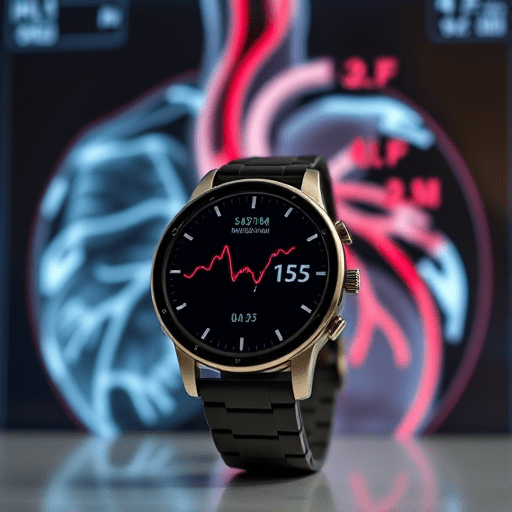
- Wearable devices that transmit trend data and waveform-quality signals over secure networks
Monitoring must stream waveform-level data (not just trend summaries) to allow remote clinicians to interpret events in real time.
2. Family-Assisted Interventions and Education
Family members and caregivers become active participants under Tele-ICU supervision. Training focuses on:
- Recognizing early deterioration and using bedside devices
- Performing basic interventions (e.g., position changes, simple wound care) under remote instruction
- Operating emergency protocols—how and when to escalate to on-site EMS or a nearby clinic
Structured instructional materials, short simulation sessions, and just-in-time video guidance from the teleteam reduce anxiety and improve adherence.
3. 24/7 Specialist Teleteams
Continuous coverage by critical care intensivists, respiratory therapists, and critical care nurses is non-negotiable for high-acuity home care. Effective teleteams provide:
- Real-time clinical decision-making based on waveform and trend data
- Remote ventilator and oxygen therapy guidance when supported by home devices
- Coordination with local home health aides, primary care providers, and emergency services
Patient Selection and Risk Stratification
Not every ICU patient is a candidate for home-based Tele-ICU. Appropriate selection improves safety and success rates. Consider candidates who:
- Require close monitoring but stable on non-invasive supports (e.g., supplemental oxygen, low-flow nasal oxygen, non-invasive ventilation when feasible)
- Have reliable family or professional caregivers on site
- Live within rapid-response distance of emergency medical services or a hospital
- Have clear goals of care and informed consent for remote management
Use a standardized risk score and checklist to determine eligibility and document the plan of care, escalation pathways, and fallback to inpatient transfer.
Clinical Workflows and Communication
Successful Tele-ICU workflows blend clinical protocols with intuitive communication tools:
- Standardized admission and daily remote rounding templates shared with the home care team
- Automated alerting thresholds for physiologic derangements routed directly to bedside caregivers and teleteam clinicians
- Two-way audiovisual links on secure platforms for real-time coaching and visual inspection
- Clear escalation steps with EMS handoffs and pre-arranged transfer agreements
Safety, Privacy, and Technology Considerations
Safety hinges on redundancy and cybersecurity. Best practices include:
- Dual-network connectivity (primary broadband + cellular failover) for uninterrupted monitoring
- Edge-processing to store recent waveform buffers locally if the connection drops
- HIPAA-compliant encryption and least-privilege access for remote clinicians
- Routine device calibration and remote or in-person maintenance schedules
Regulatory and Reimbursement Landscape
Reimbursement for Tele-ICU at home is evolving. Organizations should:
- Map applicable billing codes (telehealth, remote physiologic monitoring, RPM/RTM codes) against payer policies
- Engage legal and compliance early to address licensure, cross-state practice rules, and informed consent
- Collect outcomes and cost data prospectively to support value-based contracting
Implementation Checklist
A practical checklist helps teams move from pilot to scale:
- Define inclusion/exclusion criteria and clinical protocols
- Choose vendors for high-fidelity portable monitors and secure teleplatforms
- Train family caregivers and home health staff with simulations and job aids
- Establish 24/7 teleteam staffing and redundancy plans
- Set technical redundancy, cybersecurity, and device maintenance processes
- Design measurement strategy: readmissions, transfer times, patient satisfaction, and cost per episode
Real-World Example
An urban health system piloted Tele-ICU for the Home for COPD exacerbations and congestive heart failure patients on high-flow oxygen. Over six months the program reduced 30-day readmissions by 28% and shortened average inpatient LOS by enabling earlier discharge with remote supervision. Key success factors were robust caregiver training, 24/7 respiratory therapist availability, and reliable cellular failover when home Wi-Fi dropped.
Common Challenges and How to Overcome Them
- Connectivity gaps: Pre-deploy cellular hotspots and test signal strength during eligibility screening.
- Caregiver fatigue: Rotate home-visiting aides, schedule respite, and implement frequent teleteam check-ins.
- Clinical escalation delays: Pre-position transfer agreements with EMS and automate alert escalation to on-call clinicians.
Tele-ICU for the Home is not a one-size-fits-all replacement for inpatient intensive care, but when combined with high-fidelity monitoring, structured family-assisted interventions, and 24/7 specialist teleteams it becomes a powerful option to keep appropriate patients safe at home while preserving hospital capacity.
Ready to explore Tele-ICU for the Home at your organization? Contact a Tele-ICU implementation specialist to design a pilot tailored to your patients, technology, and local resources.