Introduction: A New Era for Urban Logistics
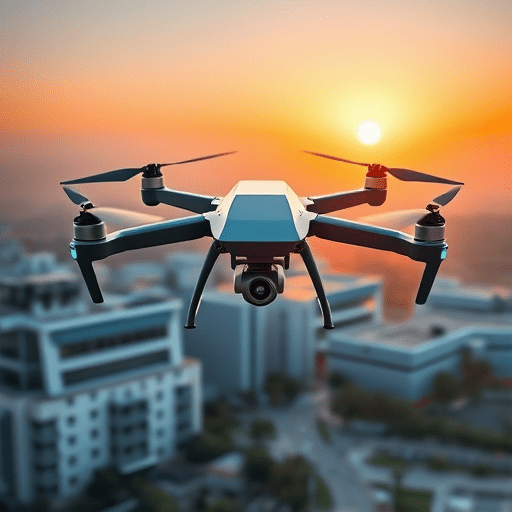
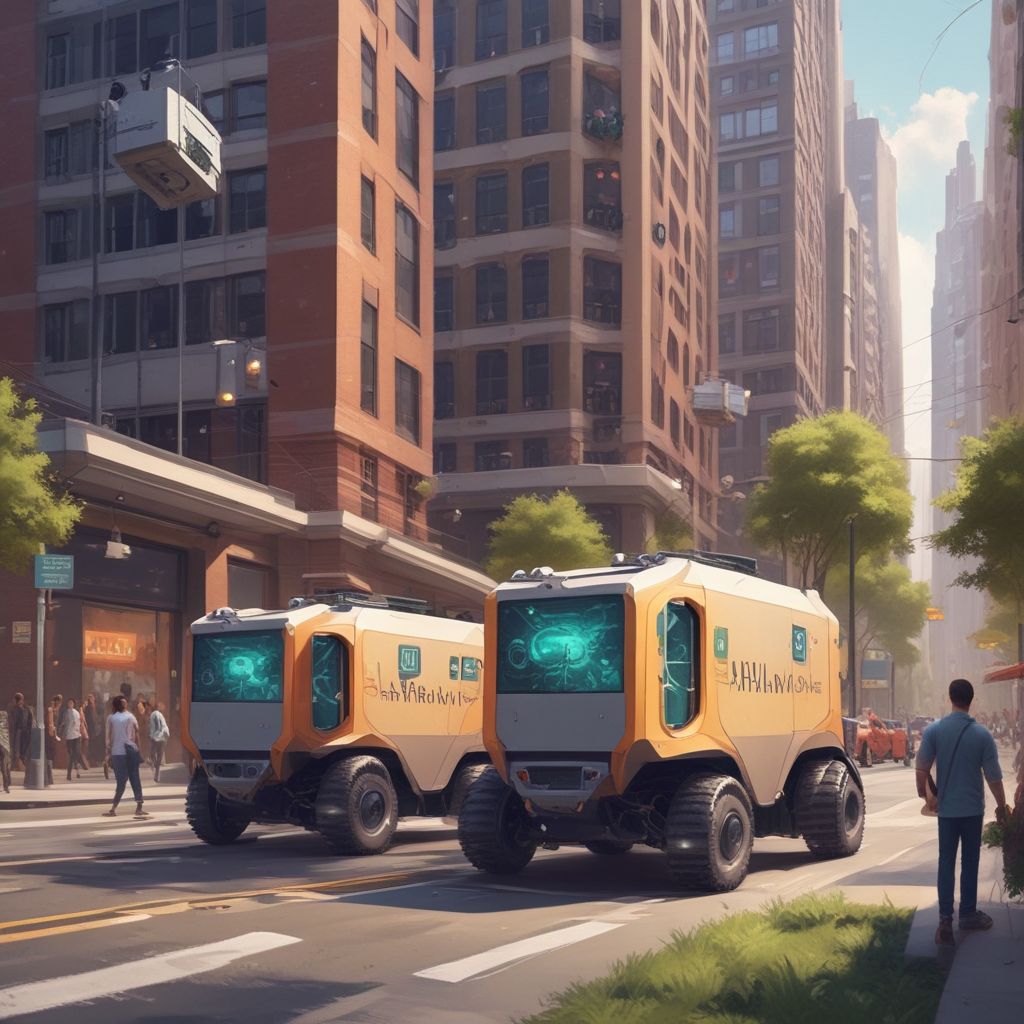
Cities worldwide are grappling with rising demand for fast, reliable delivery services. Traditional approaches rely on centralized fleets, fixed routes, and human drivers, all of which struggle to adapt to sudden traffic spikes, weather disruptions, or equipment failures. A new class of autonomous systems is emerging that can reconfigure themselves on the fly, repair internal faults, and coordinate in large groups. These self‑healing modular swarm robots promise to reshape urban delivery networks by delivering resilience, scalability, and on‑demand responsiveness.
How Self‑Healing Swarm Robotics Work
Modular Design Principles
Each robot in the swarm is built from interchangeable modules that handle locomotion, sensing, power, and computation. Because no single component carries the entire functionality, the system can replace a damaged module without halting operations. This modularity also enables manufacturers to tailor robots for specific tasks — such as carrying heavier parcels or navigating narrow alleys — by simply swapping out the relevant hardware block.
Redundancy and Fault Tolerance
Swarm intelligence relies on decentralized decision‑making. When a robot encounters a fault, neighboring units detect the anomaly through local communication and redistribute its workload. The remaining robots continue the mission, and the faulty unit can be isolated, repaired, or replaced. This redundancy eliminates single points of failure and ensures that the delivery network stays operational even under adverse conditions.
Benefits for Urban Delivery Networks
- Resilience: Self‑repair capabilities keep the fleet running despite mechanical wear or accidental damage.
- Scalability: New robots can be added to the swarm instantly, allowing the network to expand in response to peak demand.
- Energy Efficiency: Distributed charging stations and cooperative load‑balancing reduce overall power consumption.
- Adaptability: Dynamic route planning enables the swarm to avoid congestion, construction zones, or weather‑related hazards in real time.
- Cost Reduction: Lower reliance on human drivers and centralized infrastructure cuts operational expenses over the long term.
Challenges and Future Outlook
While the vision is compelling, several hurdles must be addressed before widespread adoption. Regulatory frameworks need to accommodate autonomous aerial and ground vehicles operating in dense urban airspace. Safety standards must be established to guarantee reliable interaction with pedestrians and existing traffic. Additionally, the economics of mass‑producing modular components while maintaining quality control remain a critical consideration. Continued research into robust communication protocols, advanced materials for self‑healing, and AI‑driven coordination will be essential to overcome these barriers.
Regulatory and Safety Considerations
Governments are beginning to draft legislation that governs the operation of autonomous delivery robots. Key requirements include geofencing to restrict flight paths, mandatory collision‑avoidance systems, and transparent reporting of incident data. Companies must work closely with city planners to design dedicated corridors and landing pads that minimize interference with pedestrian flow. By integrating compliance into the design phase, developers can streamline certification processes and accelerate market entry.
Scalability and Cost Implications
Scaling a swarm from a handful of prototype units to thousands of operational robots involves more than just purchasing additional hardware. It requires investment in charging infrastructure, fleet management software, and maintenance facilities. However, economies of scale can lower per‑unit costs as production volumes increase. Open‑source software platforms and standardized module interfaces also reduce development overhead, making it feasible for third‑party manufacturers to participate in the ecosystem.
Conclusion
Self‑healing modular swarm robots represent a paradigm shift in how urban delivery networks are conceived and operated. By combining modular hardware, decentralized intelligence, and fault‑tolerant design, these systems can adapt to changing conditions, recover from damage, and scale rapidly to meet demand. While regulatory, safety, and economic challenges remain, ongoing advances in robotics, artificial intelligence, and materials science are poised to turn this emerging technology into a mainstream solution. As cities continue to grow and consumer expectations for speedy, reliable service rise, swarm robotics may become the backbone of the next generation of urban logistics.