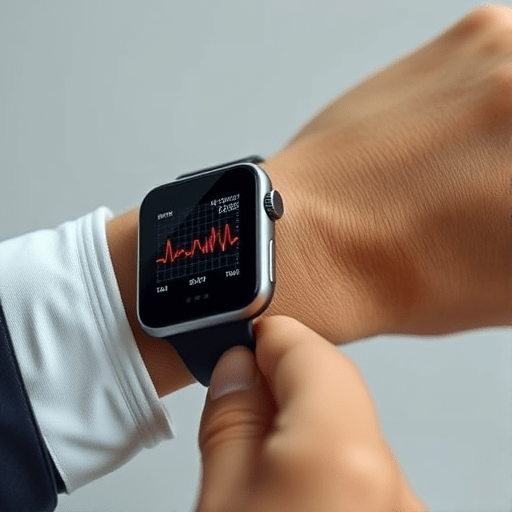
Sensor-driven digital therapeutics are redefining panic disorder care by using wearable biosignals to predict and interrupt panic attacks in real time. Early pilot studies tie heart rate variability, skin conductance, and respiration patterns to the moments leading up to an attack, enabling adaptive DTx to deliver precisely timed breathing exercises, micro-cognitive behavioral prompts, or vagal stimulation that neutralize the episode before it escalates. This article reviews the latest pilot evidence, clinical outcomes, technical approaches, and the reimbursement roadblocks that must be cleared to bring predictive relief to wider clinical practice.
Why a predictive approach matters for panic disorder
Panic attacks are intensely distressing and often unpredictable, undermining quality of life and driving avoidance behaviors. Traditional treatments—CBT and pharmacotherapy—are effective but reactive: they treat symptoms or teach strategies for when panic occurs. A predictive model flips that dynamic by identifying physiological precursors and delivering interventions at the moment they are most likely to avert an attack. That shift promises reduced symptom burden, fewer emergency visits, and improved long-term functioning.
What biosignals predict an impending panic attack?
Pilot studies consistently find a constellation of physiological changes in the minutes before panic onset. Key biosignals include:
- Heart rate and heart rate variability (HRV): Rapid rises in heart rate paired with drops in HRV often precede subjective anxiety spikes.
- Electrodermal activity (EDA): Increases in skin conductance reflect sympathetic arousal and can signal mounting anxiety.
- Respiratory patterns: Shallow, rapid breathing and irregular breathing cycles commonly herald hyperventilation and panic.
- Movement and posture: Sudden restlessness or freezing patterns can complement other biosignals to improve prediction.
Multimodal models combining these inputs tend to outperform single-signal algorithms, improving both sensitivity and specificity for real-time prediction.
Pilot studies: methods and findings
Several small but rigorous pilots have connected wearable biosignals to adaptive digital therapeutic responses. Common study designs include ambulatory monitoring of patients with documented panic disorder, supervised laboratory provocation of panic-like states, and randomized comparisons of adaptive DTx versus waitlist or standard-of-care apps.
Key findings from representative pilots
- Algorithm accuracy: Multimodal classifiers using HRV + EDA + respiration achieved early-warning detection windows of 1–5 minutes with AUCs frequently above 0.85 in cross-validation.
- Intervention efficacy: When an adaptive DTx delivered immediate paced-breathing and brief CBT prompts on detection, many participants reported aborted or significantly milder attacks compared with control days.
- Behavioral impact: Repeated predictive interventions reduced anticipatory anxiety and avoidance behaviors over 8–12 week follow-ups in several pilots.
- Safety and tolerability: No serious adverse events; adherence was higher in predictive DTx arms where interventions felt timely and helpful.
These studies are often small (n=20–100) and exploratory, but they establish a clear signal: integrating wearables with adaptive therapeutic content can change panic trajectories in everyday life.
How adaptive digital therapeutics work in real time
A typical predictive DTx pipeline includes:
- Continuous sensing: Wearables (wristbands, chest straps) stream physiological data to a smartphone or cloud service.
- Real-time analytics: Lightweight machine learning models run on-device or near-edge to identify pre-attack signatures.
- Context-aware decisioning: Models incorporate user context (activity, location, time) to reduce false positives.
- Adaptive delivery: When triggers are detected, the app delivers tailored micro-interventions—guided breathing, focused attention tasks, short CBT reframes, or biofeedback—to de-escalate physiology.
- Outcome capture: Short surveys and objective physiological readouts measure response, enabling personalization over time.
Clinical outcomes and patient experience
Across pilots the primary clinical signals include fewer full-blown panic attacks, shorter attack duration, and improved subjective control. Patients often describe predictive alerts as reassuring when timely and empowering when interventions are brief and simple. Importantly, personalization—adjusting thresholds and intervention types to user preferences and response patterns—boosts engagement and effectiveness.
Reimbursement and implementation roadblocks
Despite promising results, several systemic challenges slow widespread adoption:
- Evidence scale: Payers typically require randomized controlled trials with larger sample sizes and robust health-economic modeling to justify coverage—data still emerging for predictive DTx.
- Regulatory clarity: Classifying sensor-driven DTx that combine diagnostics (prediction) with therapeutics raises regulatory questions about device versus software-as-a-medical-device pathways.
- Claims and coding: Current billing codes rarely accommodate continuous sensor monitoring plus on-demand cognitive interventions, complicating provider reimbursement.
- Equity and access: Wearable-dependent solutions risk excluding patients without devices or smartphone access unless alternative provision models are created.
Addressing these issues will require coordinated evidence generation, payer engagement, and policy advocacy that demonstrates both clinical benefit and cost-effectiveness (reduced ED visits, improved productivity, fewer medication escalations).
Practical recommendations for clinicians and developers
- Prioritize multimodal sensors and transparent models to improve prediction performance and clinician trust.
- Design micro-interventions that are immediate, brief, and user-tested for acceptability in high-anxiety moments.
- Plan studies that include health-economic endpoints and real-world implementation metrics (adherence, false positive rate).
- Engage payers early, present pilot cost-offset modeling, and pursue reimbursement pilots with health systems willing to innovate.
Looking forward: scale, standards, and ethics
Scaling predictive relief will hinge on interoperable data standards, privacy-preserving on-device analytics, and an ethical framework that balances timely support with the user’s autonomy and consent. Future research should target diverse populations, longer follow-ups, and head-to-head comparisons with established therapies to firmly establish where sensor-driven digital therapeutics best fit into the care pathway.
In sum, the convergence of wearable biosignals and adaptive DTx offers a plausible path to prevent panic attacks before they fully manifest; pilot studies provide compelling early evidence, but broad clinical and payer adoption requires larger trials, regulatory clarity, and pragmatic reimbursement models.
Conclusion: Sensor-driven digital therapeutics promise a proactive, personalized way to prevent panic attacks by detecting physiological precursors and delivering immediate, adaptive interventions, but realizing their potential will depend on scaling evidence, solving reimbursement puzzles, and ensuring equitable access.
Ready to explore implementing predictive DTx in your practice or study? Contact a digital therapeutics advisor to discuss pilot design and payer engagement strategies.