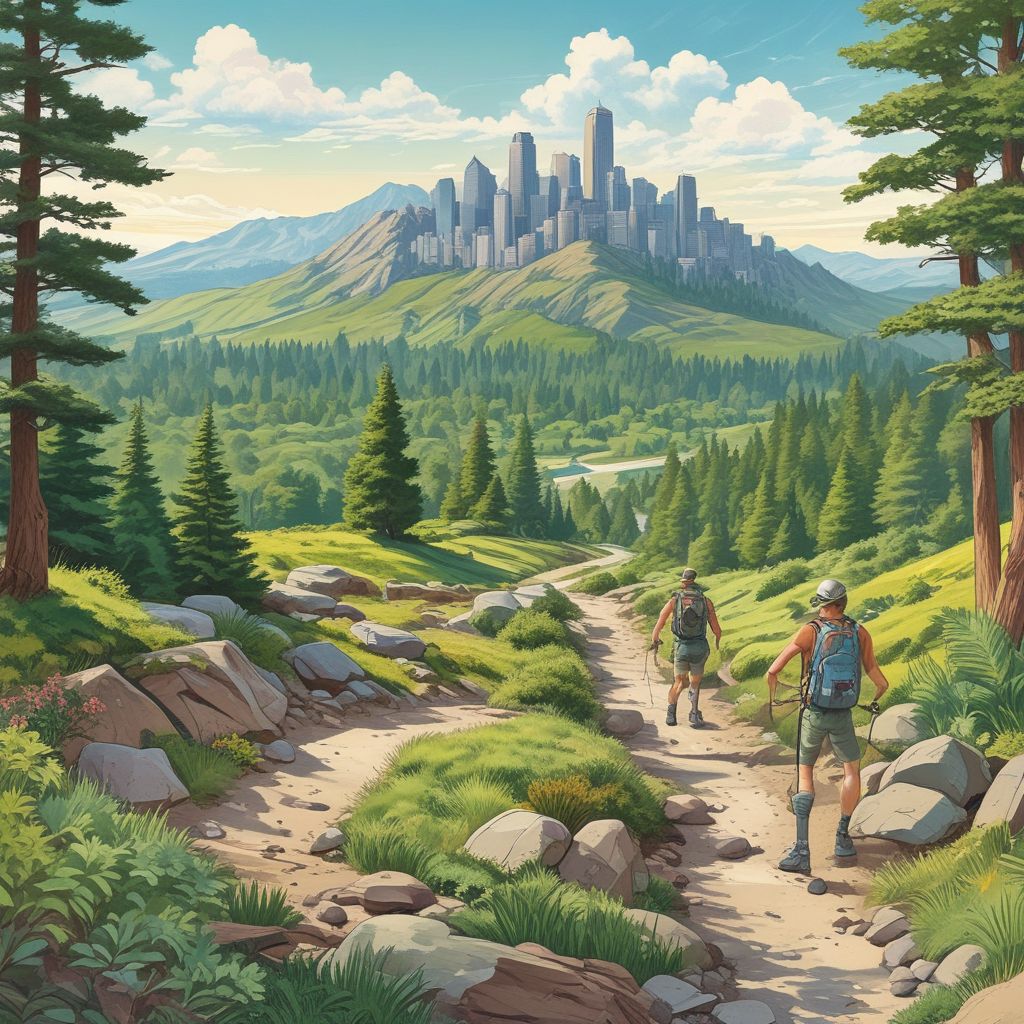
Micro-Summits—short 2–3 hour urban hikes—are rapidly gaining popularity as an accessible way to boost fitness, improve mental health, and protect city greenspaces. These compact excursions are designed to fit into busy schedules while delivering the restorative benefits of nature, the social energy of small neighborhood communities, and concrete conservation outcomes when planned thoughtfully.
What Is a Micro-Summit?
A micro-summit is a deliberately short, high-impact hike—typically two to three hours long—focused on small but meaningful elevation gains, scenic viewpoints, stair climbs, or greenway connectors inside urban and suburban areas. Unlike full-day trail outings, micro-summits are repeatable, inclusive, and tailored to reclaim underused pockets of urban greenspace for public use and stewardship.
Why Micro-Summits Matter
Fitness in Small Time Windows
Micro-summits convert 120–180 minutes into a high-quality workout by including brisk walking, stair repeats, and short elevation pushes. They fit into lunch breaks, post-work routines, or weekend windows and are ideal for building consistency—arguably the most important variable in fitness gains.
Mental Health and Stress Reduction
Spending just two to three hours in nature decreases cortisol, improves mood, and resets cognitive focus. Urban hikes combine the restorative power of green exposure with mild aerobic activity, giving participants an immediate mood lift and longer-term resilience against burnout.
Conservation Through Use
Reclaiming greenspaces is about more than recreation: frequent, organized visits create eyes-on-the-ground stewardship. Communities that adopt micro-summit routes often coordinate cleanups, advocate for better signage, and encourage native plantings—concrete actions that protect fragile urban ecosystems.
Planning High-Impact 2–3 Hour Routes
Good micro-summit routes balance accessibility, scenic payoff, and ecological sensitivity. Use the following checklist when designing a short urban hike:
- Start/End Proximity: Keep trailheads near transit stops, bike racks, or neighborhood hubs so participants can arrive without cars.
- Distance & Pace: Aim for 3–6 miles depending on elevation and stops; plan for a moderate pace with time for short breaks and observation.
- Vertical Gain: Incorporate stairs, bluffs, or short hill climbs to add intensity without distance—100–400 feet of gain is typical for a satisfying micro-summit.
- Waypoints: Map 2–4 highlights (viewpoint, historic site, art installation, riparian stretch) so every route delivers a clear reward.
- Surface & Accessibility: Mix paved and natural surfaces but be explicit in route descriptions about uneven ground and accessibility limitations.
- Leave-No-Trace Routing: Stick to established paths and avoid routing across fragile meadows or young reforestation patches.
Tools and Tactics for Route Design
- Use free mapping tools (e.g., Gaia, Strava, Google Maps’ Terrain view) to measure distance and elevation profiles.
- Create downloadable GPX/KML files and a simple one-page PDF with transit directions, estimated pace, and emergency contacts.
- Scout once on foot to confirm conditions, habitat sensitivity, and signage needs before promoting the route.
Building Neighborhood Hike Communities
Strong micro-summit communities are local by design: neighbors lead, newcomers are welcomed, and stewardship is part of the routine. Practical steps to build and sustain a group include:
- Regular Schedule: Host a consistent weekly or biweekly hike time so participation becomes habitual.
- Accessible Leadership: Train 2–3 volunteer leaders who can rotate responsibilities and ensure safety.
- Inclusive Outreach: Use neighborhood listservs, community boards, and social media to advertise, and emphasize that all paces are welcome.
- Partner Locally: Work with parks departments, community gardens, libraries, and local businesses for permission, promotion, and potential sponsorship.
- Layer Social Elements: Add a post-hike coffee, a seasonal potluck, or a nature journaling stop to deepen connections.
Protecting Fragile Urban Ecosystems
Conservation is integral to micro-summits: repeated foot traffic can either steward or stress urban nature depending on how it’s managed. Follow these best practices:
- Limit group size (10–15 is a common cap) to reduce trail widening and disturbance.
- Keep to durable surfaces and defined trails; redirect routes if erosion or trampling appears.
- Avoid routing through nesting, flowering, or rare-plant areas—seek guidance from local ecology groups when in doubt.
- Educate participants on staying on trail, packing out trash, and minimizing noise to protect wildlife.
- Coordinate periodic stewardship days for invasive plant removal, trash pickup, and trail maintenance.
Safety, Gear, and Accessibility
Micro-summits require minimal gear but attention to safety keeps them accessible for all. Essentials for organizers and participants:
- Comfortable walking shoes, weather-appropriate layers, water, and sun protection.
- A basic first-aid kit, a charged phone, and a leader who knows the route and nearest exits.
- Clear communication about restrooms, terrain, and ability level—offer alternative shorter loops when needed.
- Consider accessibility audits for routes and include at least one micro-summit that is wheelchair- or stroller-friendly when possible.
Three Sample 2–3 Hour Micro-Summit Itineraries
1. Riverfront Ridge Loop (Urban Greenway)
- Distance: 4 miles; Vertical gain: ~250 ft
- Highlights: riverside boardwalk, short stair ascent to skyline viewpoint, community garden stop
- Ideal for: lunchtime groups and families
2. Staircase & Canopy Circuit (Neighborhood Hills)
- Distance: 3 miles; Vertical gain: stair repeats equal to ~300 ft
- Highlights: historic stairway, shaded tree canopy, coffee shop finish
- Ideal for: fitness-focused walkers seeking intensity in a short window
3. Meadow Connector Walk (Conservation Focus)
- Distance: 5 miles loop with slow, interpretive stops
- Highlights: restored meadow, pollinator garden, short creek crossing on boardwalk
- Ideal for: groups focused on education and stewardship
Measuring Impact
Track participation, stewardship hours, and tangible conservation outcomes (trash collected, square footage restored, invasive species removed). Share these wins with participants and partners—numbers and stories both build momentum and justify support from local authorities and funders.
Micro-summits are a practical, repeatable way to make greenspaces healthier and more loved—two or three hours at a time.
Ready to organize your first micro-summit? Start by mapping a 2–3 hour route within your neighborhood and inviting three friends to test it this weekend.