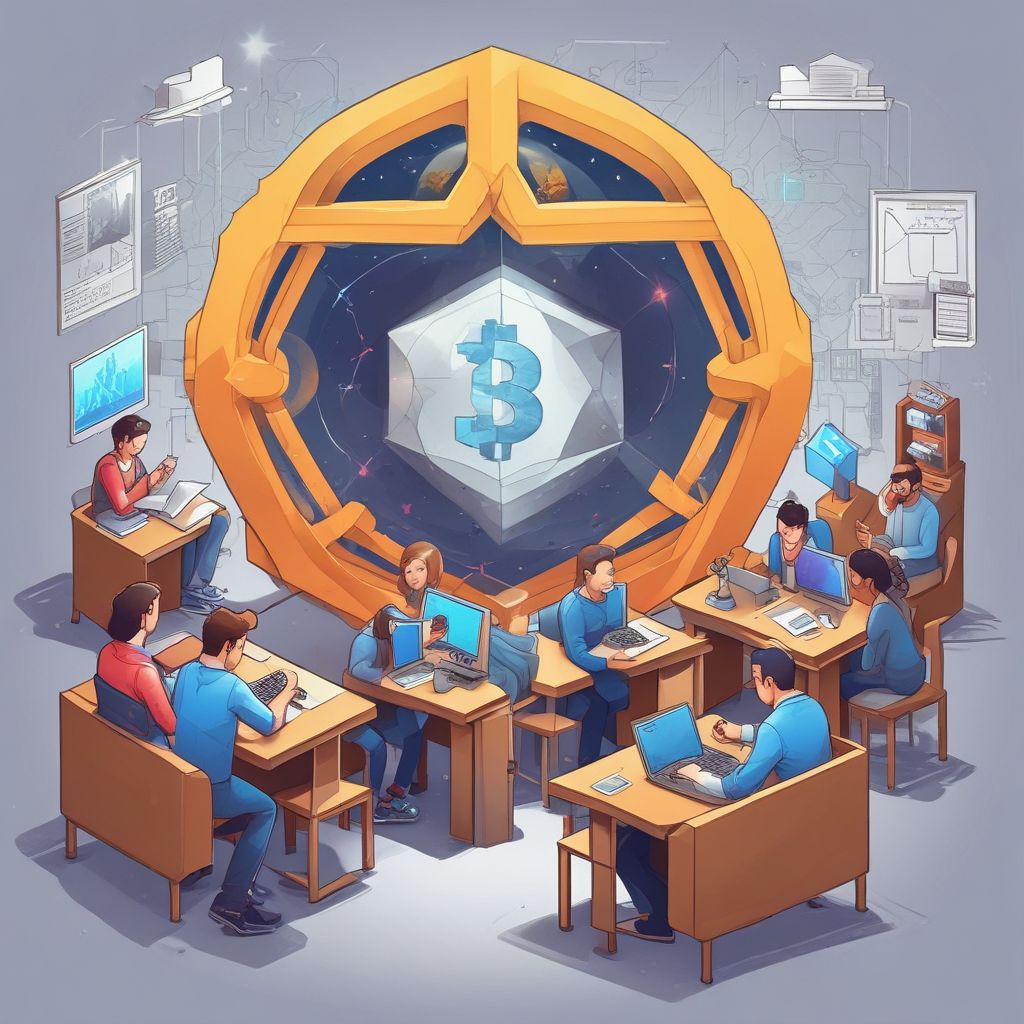
The Traditional Education Gap
For decades, students have pursued degrees and certifications with the hope of career success. Yet many graduate with debt and uncertain prospects. Educators, too, often face underfunding and limited resources. This system frequently fails to reward practical skill mastery or ongoing learning. Enter blockchain-powered “learn-to-earn” models, merging education with cryptocurrency incentives to create a dynamic new ecosystem.
How Learn-to-Earn Works
Blockchain learn-to-earn platforms track course completion and skill verification through immutable ledgers. When students finish modules, pass assessments, or demonstrate competencies, they receive tokens. These digital assets can be exchanged for fiat currency, additional courses, or even staked to earn more value over time.
Key Components of the System
- Decentralized Verification: Smart contracts automatically confirm achievement, eliminating manual oversight.
- Token Rewards: Students earn crypto for milestones like quizzes, projects, or peer reviews.
- Transparent Ledgers: All progress and rewards are publicly verifiable on the blockchain.
Benefits for Students
Learn-to-earn models transform motivation and outcomes. Tokens provide tangible, immediate rewards that align with effort and results. This incentive structure appeals to learners who seek both knowledge and financial returns.
Why Students Engage
- Instant Compensation: Earnings arrive as soon as goals are met, not after semesters.
- Portable Credentials: Blockchain badges travel globally without institution barriers.
- Customized Learning: Learners can pick courses based on token rewards and personal needs.
Empowering Educators
Teachers and institutions also gain from these systems. Tokenized platforms create new revenue streams while fostering engagement. Educators can monetize expertise, offer micro-courses, and access real-time performance data.
Opportunities for Institutions
- Additional Funding: Token sales or staking rewards supplement budgets.
- Enhanced Engagement: Gamified learning boosts participation and retention.
- Global Reach: Digital credentials attract international learners without geographic limits.
Real-World Applications
Several initiatives already demonstrate learn-to-earn in action. Universities partner with blockchain startups to issue tokens for completed modules. Coding bootcamps reward developers with cryptocurrency for finishing projects. Even informal communities grant tokens for contributing tutorials or reviewing content.
In one notable example, a European tech academy distributes tokens redeemable for hardware or scholarships. Students earn more by mentoring peers, creating a collaborative economy around skill sharing.
Challenges and Considerations
While promising, the model faces hurdles. Regulatory uncertainty surrounds crypto rewards in education. Accessibility remains a concern, as not all learners possess crypto wallets or internet access. Environmental impacts of blockchain networks also require scrutiny.
Navigating the Obstacles
- Compliance Frameworks: Clear guidelines ensure legal operation in diverse regions.
- Inclusive Design: Platforms must support low-bandwidth users and provide alternative reward methods.
- Sustainable Blockchains: Energy-efficient consensus mechanisms like proof-of-stake are preferred.
The Future of Learning
Learn-to-earn systems hint at a broader shift toward lifelong, incentivized education. As blockchain adoption