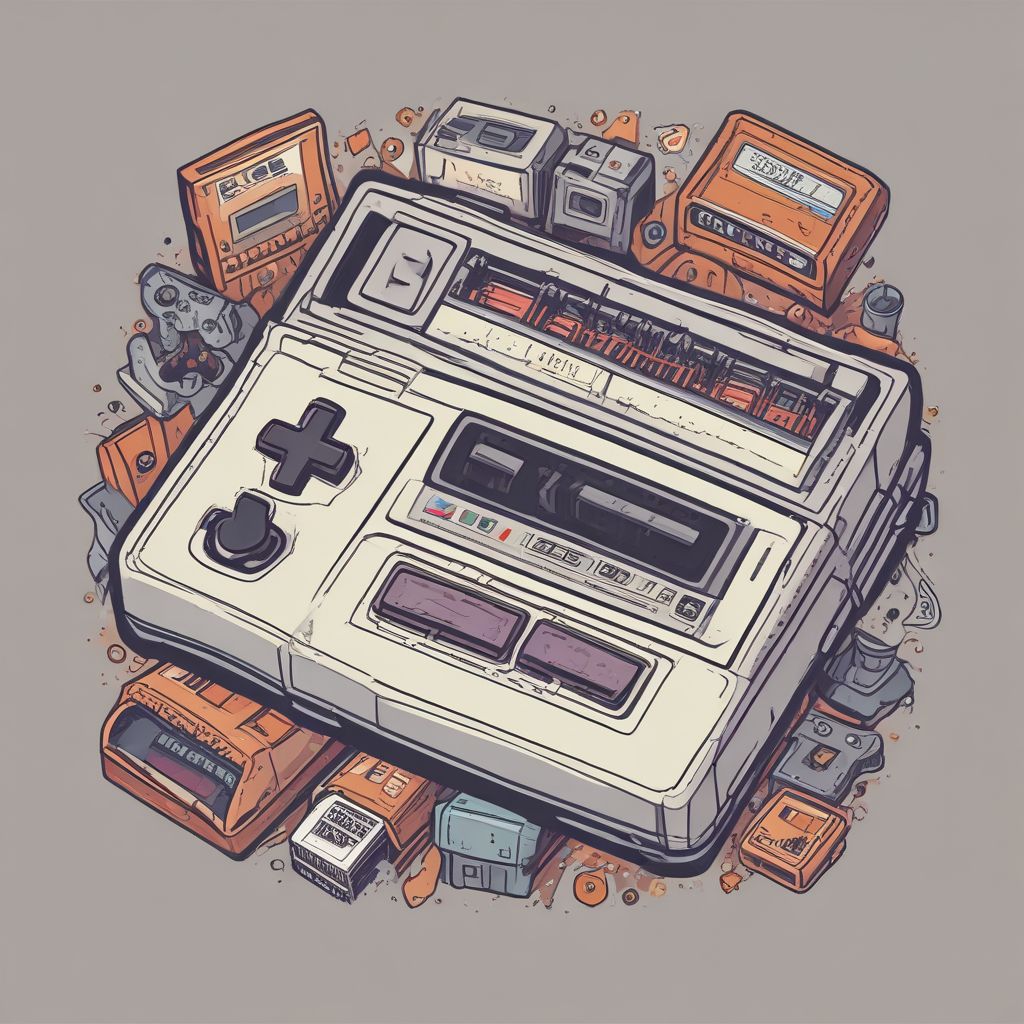
The Homebrew Renaissance is a vibrant movement where hobbyist developers, artists, and tinkerers breathe new life into NES, Genesis, and Game Boy hardware, blending nostalgia with modern design sensibilities to create games, cartridges, and peripherals that feel both familiar and fresh.
What the Homebrew Renaissance Looks Like
At first glance it’s a parade of pixel art and chiptune; beneath the surface it’s modern tooling, small-batch manufacturing, and thriving online communities. From handcrafted cartridges with silk-screened labels to FPGA-based clones that add HDMI output and save states, this renaissance reimagines what “retro” means by keeping the original spirit while improving usability, accessibility, and aesthetic quality.
Key elements defining the movement
- Modern tooling: Developers use cross-platform assemblers, emulators for rapid iteration, and hardware design software like KiCad for custom PCBs.
- Small-scale manufacturing: Services like PCB fabs and boutique cartridge housings make professional-looking releases viable for one-person teams.
- Community-driven distribution: Indie storefronts, crowdfunded runs, and conventions help creators reach collectors and players.
Creators: Passion Meets Professionalism
Hobbyist devs range from solo programmers crafting compact, mechanically clever Game Boy games to small studios producing multi-cartridge experiences for the NES and Genesis. What sets them apart is a dedication to craft: precise audio mixing, pixel-level animation, and thoughtful difficulty curves that respect older hardware limits while introducing new design philosophies.
Stories from the scene
- Solo auteurs: Developers creating entire games in months, publishing limited cartridge runs with hand-numbered labels.
- Collaborative teams: Groups combining programmers, pixel artists, and print designers to produce deluxe editions with manuals and stickers.
- Hardware modders: Creators who retrofit consoles with modern outputs, add flash memory support, or design new cartridges with LEDs and modern connectors.
Custom Cartridges: Objects of Desire
Custom cartridges are central to the Homebrew Renaissance—physical artifacts that turn a game release into something collectible. These range from single-run PCBs soldered into refurbished shells to fully engineered cartridges with battery-backed saves, RTC (real-time clock), or SD-card slots for multi-game support.
Design choices that matter
- Materials and finishes: Matte or gloss shells, metallic silk-screening, and die-cut labels give a premium feel.
- Packaging: Professional manuals, shrink wrap, and limited-edition numbering increase perceived value.
- Functionality: Adding modern conveniences—save support, patching bootloaders, or USB connectivity—bridges old hardware with current expectations.
Modern Design Sensibilities in Old Machines
Applying contemporary design principles to retro games is not mere nostalgia; it’s a creative constraint that produces elegant solutions. Gameplay pacing, accessibility options, and UI clarity are all areas where modern sensibilities elevate the experience without erasing the console’s character.
Examples of modern approaches
- Accessibility: Optional difficulty modes and configurable controls make games more approachable to new audiences.
- UX-first design: Streamlined menus, readable typography on low-resolution screens, and consistent feedback loops improve playability.
- Polish over gimmick: Rather than bloated feature lists, many releases emphasize tight mechanics and refined presentation.
Communities and Events: The Movement’s Engine
Forums, Discord servers, and niche marketplaces are where ideas, code, and components flow. Events—both online jams and physical meetups—accelerate collaboration and knowledge-sharing, spawning tools, libraries, and tutorials that lower the barrier for newcomers.
How communities support growth
- Knowledge sharing: Open-source hardware designs, sample code, and cartridge templates help others produce quality releases fast.
- Marketplaces: Community-run stores and trade groups create demand for small runs and prototypes.
- Collaborative projects: Game jams and charity compilations bring creators together, producing experimental works that inspire future releases.
How to Get Involved: A Starter Checklist
Interested in joining the Homebrew Renaissance? Start small and build momentum—here’s a practical path:
- Choose your platform (NES, Genesis, Game Boy) and study its technical constraints.
- Set up a dev toolchain: emulator, assembler/compiler, and version control.
- Prototype a short demo (one level or mechanic) to learn iteration speed.
- Explore cartridge options: flash cartridges for development, single-run PCBs for releases.
- Join community hubs to solicit feedback, trade parts, and find collaborators.
Tools and resources to explore
- Emulators with debugging tools for rapid testing
- Open-source sprite editors and chiptune trackers
- PCB design software (KiCad) and small-batch PCB manufacturers
- Online communities for sourcing cartridge shells and reproduction parts
Risks, Ethics, and Best Practices
Homebrew work must respect IP and original creators. Avoid distributing ripped assets or ROM hacks that infringe on copyrights, and be transparent when using proprietary material. When creating hardware clones, prioritize safety and document modifications so collectors know what they’re buying.
Why It Matters
The Homebrew Renaissance keeps gaming history alive while pushing it forward. By merging contemporary design sensibilities with beloved hardware, hobbyist devs expand the audience for retro platforms and create new objects of cultural value—handmade games that are playable, collectible, and designed with care.
Whether you’re a player who loves physical releases, a maker excited by custom circuitry, or a designer seeking creative constraints, this movement offers a rich, hands-on way to engage with games.
Conclusion: The Homebrew Renaissance proves that old platforms still have stories to tell—told now with better ergonomics, modern polish, and the joy of craft. Ready to explore or create? Start with a short prototype, join a community, and consider making your first physical cartridge—there’s never been a better time to tinker.
Call-to-action: Join a homebrew community today and share your first prototype or design idea to get feedback and collaborators.