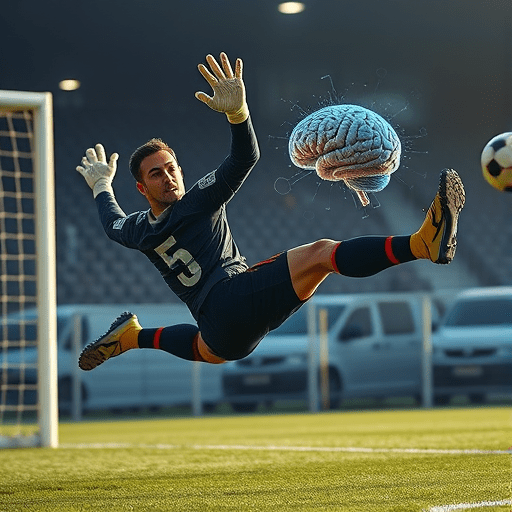
Chrono-Protein is an emerging sports-nutrition strategy that times slow-release nighttime proteins to an athlete’s sleep cycle to enhance overnight muscle repair and recovery. Early trials indicate that when team athletes consume a tailored slow-release protein dose before sleep, markers of overnight muscle protein synthesis improve and next-day sprint power can increase measurably. This article breaks down the science, summarizes early trial outcomes, and offers practical, team-friendly protocols for coaches and performance staff.
Why nighttime nutrition matters for team athletes
For athletes who train hard during the day and must be ready again quickly—think soccer, rugby, basketball—recovery windows are often short. Overnight sleep is the longest continuous recovery period and a prime opportunity to support muscle repair. During sleep the body shifts into repair and remodeling modes; providing a steady supply of amino acids through the night can help sustain muscle protein synthesis (MPS) when daytime feeding is paused.
What is Chrono-Protein?
Chrono-Protein pairs two concepts: chrononutrition—aligning nutrient timing with circadian and sleep rhythms—and slow-release protein sources (e.g., micellar casein, protein blends designed for prolonged digestion). The goal is to deliver a low, steady flow of essential amino acids over several hours of sleep so MPS remains elevated without causing digestive disruption or interfering with sleep quality.
Typical components
- Slow-release protein: micellar casein or specialized blends engineered to digest slowly.
- Leucine-enriched formulations: small leucine boluses to trigger MPS while maintaining prolonged availability.
- Low glycemic co-factors: small amounts of carbohydrate or fat only if needed to blunt overnight hunger without spiking insulin.
Early trials: what the evidence shows
Although the field is young, several small randomized and crossover trials in trained athletes have produced encouraging signals. Key findings reported include:
- Improved overnight markers of muscle protein synthesis compared with placebo or fast-digesting proteins taken in the evening.
- Faster recovery of muscle function after evening training sessions, particularly in measures of repeated-sprint ability.
- Small but meaningful gains in next-day sprint power—early trials report average improvements in the 3–6% range for short maximal efforts after multi-day interventions—enough to influence outcomes in team sports where marginal gains matter.
- High adherence and minimal sleep disturbance when low-volume, slow-release formulations were used 30–60 minutes before lights-out.
These results are promising but should be interpreted cautiously: sample sizes remain small, and longer-term effects on body composition and performance need further study.
Mechanisms: how timing and slow release work together
Two mechanisms explain Chrono-Protein’s potential:
- Sustained amino acid availability: slow-release proteins maintain blood amino acid levels across the night, prolonging MPS when daytime feedings have ceased.
- Chronobiology of repair: sleep stages—especially slow-wave sleep—are associated with growth hormone pulses and tissue repair; aligning amino acid availability with these periods can enhance the anabolic environment.
Practical protocol for team athletes
Below is a practical, conservative protocol coaches can trial during pre-season or controlled training blocks.
- Timing: consume Chrono-Protein 30–60 minutes before planned sleep to avoid gastric discomfort and allow initial digestion.
- Dose: 30–40 g of slow-release protein is a common starting point for most male and female team athletes; adjust by body mass and total daily protein targets.
- Composition: choose micellar casein or a scientifically engineered slow-release blend enriched with ~2–3 g leucine to activate MPS.
- Frequency: nightly on days with late training or matches; consider 3–5 nights per week initially to test tolerance and effect.
- Hydration and calories: account for the extra calories in overall daily load; avoid large additional carbohydrate loads that might disrupt sleep or promote unwanted weight gain.
Sample evening routine
- 2–3 hours before bed: light re-feed or recovery snack as per usual plan (if needed).
- 30–60 minutes before bed: 30–40 g Chrono-Protein drink or pudding.
- Lights out: ensure environment supports deep sleep—cool, dark, and consistent schedule.
Implementation tips for teams
Rolling Chrono-Protein out across a squad requires coordination:
- Start with a small pilot group (e.g., 6–10 players) and track objective metrics—countermovement jump, repeated-sprint test, perceived recovery, and sleep quality.
- Use team nutritionists or strength staff to individualize dose based on body mass and daily protein targets.
- Monitor for gastrointestinal tolerance and sleep disruption—most athletes tolerate 30–40 g, but some prefer a smaller bolus plus a late snack to avoid fullness.
- Combine with sleep-hygiene interventions to maximize benefit—Chrono-Protein is not a substitute for poor sleep.
Limitations, safety, and what remains unknown
Key caveats:
- Most evidence comes from small, short-term studies—longer trials are needed to confirm effects on injury rates, fatigue over a season, and optimal dosing by sex and age.
- High-calorie nighttime feeding can increase total energy intake; integrate Chrono-Protein into the athlete’s daily macronutrient plan to avoid unintended weight gain.
- Individuals with dairy intolerance or specific medical conditions should use suitable alternatives or consult medical staff before adopting a nightly protocol.
Where the research is headed
Future work should examine chrono-protein strategies across different sports, in female athletes, in congested fixtures, and as part of periodized nutrition plans. Device-enabled monitoring (sleep trackers, power meters) combined with biochemical markers will help clarify who benefits most and how to optimize dosing around chronotype and travel.
Conclusion: Chrono-Protein represents a practical, evidence-informed tactic to enhance overnight muscle repair and give team athletes an edge in next-day high-intensity efforts; early trials showing gains in recovery and sprint power justify controlled implementation under professional supervision.
Try a pilot with your squad this preseason, track objective metrics, and iterate—small nightly changes can produce measurable game-day gains.