Digital Twins for Smart Grids: Predictive Simulation to Cut Energy Waste
In an era where grid reliability and carbon neutrality are paramount, digital twins for smart grids have emerged as a transformative technology. By creating real‑time, data‑rich virtual replicas of physical power networks, utilities can simulate, monitor, and optimize grid operations with unprecedented precision. This article explores how predictive simulation through digital twins cuts energy waste, enhances grid resilience, and propels us toward zero‑carbon management.
What Are Digital Twins?
A digital twin is a dynamic, digital representation of a physical asset, system, or process. It ingests data from sensors, IoT devices, and legacy systems, then processes that information through advanced analytics and machine‑learning models. In the context of smart grids, the twin mirrors every component—generation units, transmission lines, substations, and even consumer loads—allowing operators to visualize and interact with the grid as if it were a physical laboratory.
How Digital Twins Work in Smart Grids
Data Ingestion and Real‑Time Modeling
Smart grids are already equipped with an extensive network of sensors that record voltage, current, frequency, temperature, and other critical parameters. Digital twins ingest this data continuously, updating the virtual model in real time. Edge computing often processes raw data locally to reduce latency, while cloud platforms aggregate and store historical records for deep analysis.
Simulation and Forecasting Engines
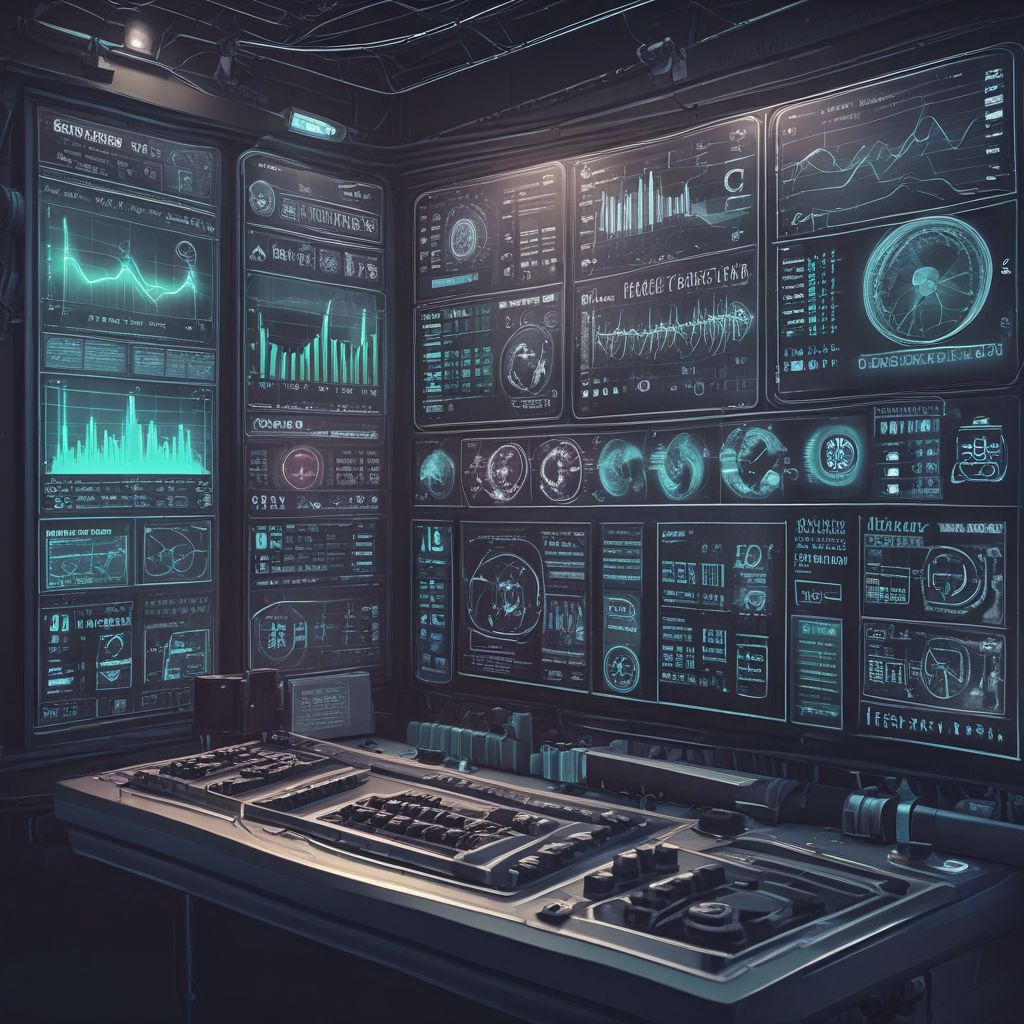
Once the twin is populated, powerful simulation engines run thousands of scenarios in parallel. Predictive algorithms forecast load patterns, renewable generation variability, and potential fault conditions. By comparing simulated outcomes against actual grid performance, operators can identify inefficiencies and anticipate problems before they manifest.
Key Benefits for Zero‑Carbon Grid Management
Predictive Maintenance and Asset Health
- Reduced Downtime: Early detection of insulation breakdowns, transformer overheating, or line sagging minimizes unplanned outages.
- Optimized Replacement Cycles: Maintenance schedules shift from reactive to data‑driven, extending asset life and reducing replacement costs.
- Lower Carbon Footprint: Fewer emergency repairs mean less diesel generator use and reduced emissions.
Demand Forecasting and Load Balancing
- Accurate Load Prediction: Machine‑learning models account for weather, occupancy, and consumer behavior, delivering hour‑ahead forecasts with 95%+ accuracy.
- Dynamic Grid Reconfiguration: The twin identifies optimal voltage levels and power flow paths, preventing over‑voltage or under‑voltage scenarios.
- Energy Waste Mitigation: By balancing supply and demand, utilities reduce over‑generation—especially from intermittent renewables—and limit curtailment.
Renewable Integration and Storage Optimization
Digital twins enable precise modeling of solar, wind, and battery storage systems. Operators can simulate how to time charge and discharge storage units to smooth fluctuations, ensuring that renewable energy is maximally utilized rather than wasted. This capability is critical for achieving net‑zero emissions.
Real‑World Case Studies
California ISO’s Virtual Grid
California ISO leveraged a digital twin to model its 50,000‑mile transmission network. By simulating grid responses to extreme heatwaves, they identified critical upgrade points and reduced the need for costly emergency interventions.
National Grid’s Renewable Roll‑In
UK’s National Grid used a digital twin to integrate 20 GW of offshore wind. The twin’s predictive analytics guided the placement of new substations and the deployment of 10 GW of battery storage, cutting energy waste by 12% in the first year.
Implementing a Digital Twin Strategy
- Define Objectives: Whether the goal is to cut emissions, improve reliability, or reduce costs, clear KPIs guide technology selection.
- Data Foundation: Invest in high‑quality sensors, secure data pipelines, and standardized data formats.
- Select the Right Platform: Cloud providers, edge devices, and analytics vendors each offer distinct strengths; choose a stack that aligns with your scale and security needs.
- Develop Model Fidelity: Start with high‑level abstractions and incrementally add detail—transformers, line impedances, and generator models—until simulations accurately reflect reality.
- Integrate Operations: Embed twin outputs into SCADA, EMS, and DMS workflows so operators can act on insights in real time.
- Continuous Improvement: As the grid evolves, retrain models and update the twin to maintain relevance.
Challenges and Considerations
Data Security and Privacy
Smart grid data can be sensitive, especially when linked to consumer usage patterns. Robust encryption, role‑based access, and compliance with regulations such as NERC CIP or GDPR are non‑negotiable.
Integration with Legacy Systems
Many utilities still rely on proprietary SCADA and EMS systems. Ensuring seamless data exchange through APIs or middleware is essential for real‑time twin fidelity.
Skill Gap and Change Management
Adopting digital twins requires cross‑functional expertise—data scientists, electrical engineers, and software developers must collaborate. Training and a culture that embraces data‑driven decision making accelerate adoption.
The Future of Digital Twins in Smart Grids
As 5G, edge computing, and quantum‑inspired algorithms mature, digital twins will become even more responsive and predictive. We anticipate:
- Hyper‑Realistic Simulations: Models that incorporate weather patterns, market signals, and even behavioral economics.
- Automated Control Loops: Self‑optimizing grids that adjust in milliseconds, eliminating human intervention for routine tasks.
- Cross‑Sector Integration: Coupling power grids with transportation (EV charging), heating (district heating), and industry to create holistic carbon‑neutral ecosystems.
Conclusion
Digital twins for smart grids are no longer a futuristic concept; they are a proven catalyst for reducing energy waste and driving zero‑carbon grid management. By leveraging real‑time data, predictive analytics, and robust simulation, utilities can anticipate faults, optimize renewable integration, and deliver reliable power with minimal environmental impact. The technology offers a clear pathway toward sustainable, resilient, and efficient power systems for the 21st century.
Explore how digital twins can transform your grid operations today.