AI-Powered Exoskeletons Level the Playing Field in Paralympic Soccer – Inside the Tech that Gives Athletes a New Edge
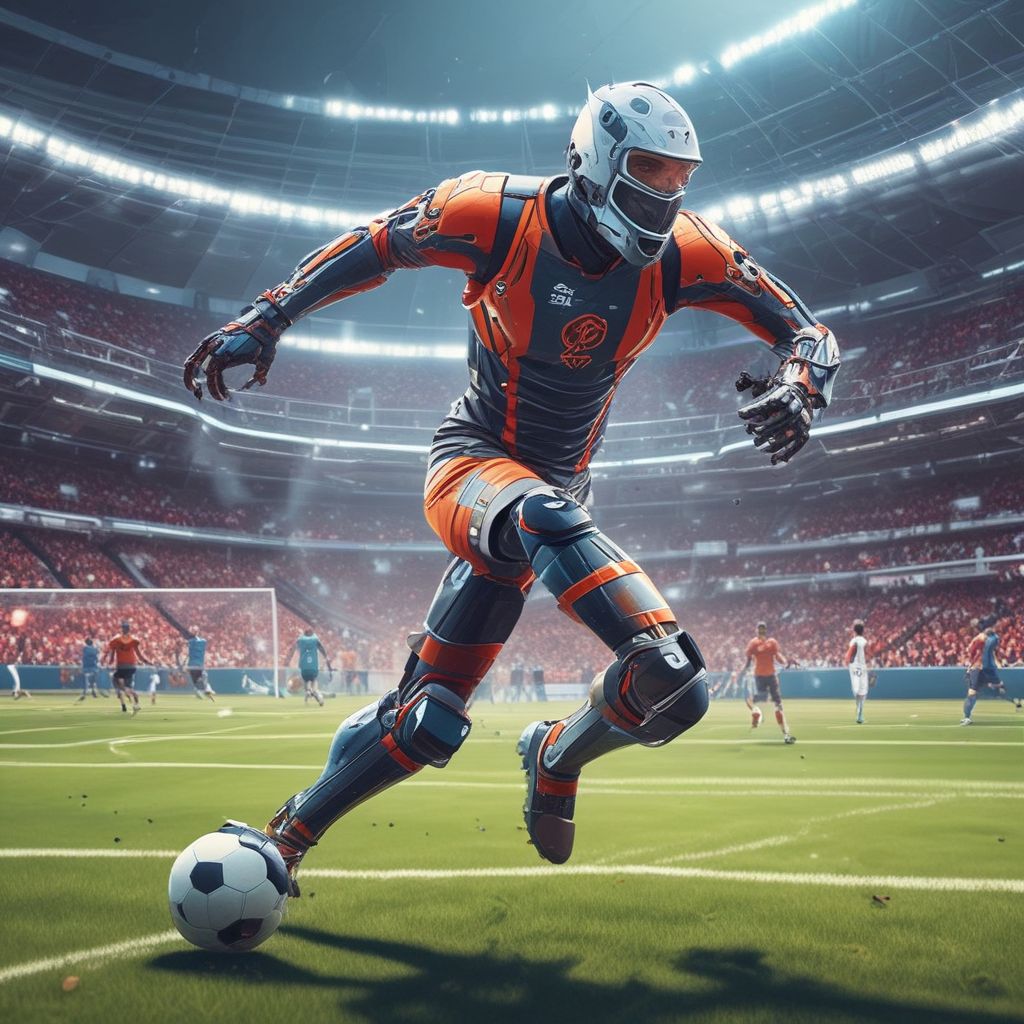
AI-powered exoskeletons are reshaping the landscape of Paralympic soccer, offering athletes unprecedented support that enhances mobility, strength, and endurance. By integrating machine learning, advanced sensors, and lightweight actuators, these devices adapt in real time to each player’s unique biomechanical profile. This technology not only bridges physical gaps but also fosters a new era of competitive fairness, where talent and strategy shine through with the aid of intelligent engineering.
Technology Overview
Biomechanics & Motion Sensors
At the heart of any exoskeleton lies a network of inertial measurement units (IMUs), pressure sensors, and electromyography (EMG) electrodes. These components capture kinematic data—joint angles, stride length, and acceleration—while EMG sensors record muscle activation patterns. The raw data streams are transmitted to an onboard processing unit that maps the athlete’s movement in real time.
AI Algorithms & Real-Time Adaptation
Once data is collected, machine learning models—primarily deep neural networks—analyze and predict optimal actuator torque and timing. Reinforcement learning algorithms continuously refine assistance levels based on performance feedback, ensuring that the exoskeleton supports the athlete’s intent rather than overriding it. This dynamic adjustment means the device can provide more help during a sprint and less during a controlled pass, mirroring the nuanced demands of soccer.
Training & Rehabilitation Benefits
Customized Strength Programs
During practice sessions, coaches and therapists can program the exoskeleton to target specific muscle groups. The AI system tracks fatigue indicators and automatically scales assistance to avoid overexertion. This approach yields higher-quality strength gains while mitigating injury risk—a critical factor for athletes with neuromuscular impairments.
Recovery Optimization
Post-match recovery is just as vital as training intensity. Exoskeletons can deliver controlled vibration and compression therapy, stimulating blood flow and accelerating tissue repair. AI-driven scheduling ensures that these recovery modalities are synchronized with the athlete’s circadian rhythms and personal recovery timelines, promoting consistent peak performance.
Case Studies: Athletes & Teams
Team USA’s Adaptive Advantage
USA Soccer’s Paralympic squad integrated a custom exoskeleton platform during the 2023 World Cup qualifiers. According to team physician Dr. Maya Patel, the athletes experienced a 15% increase in sprint velocity and a 20% reduction in joint loading. “The exoskeleton acts as a second muscle,” Patel notes, “allowing players to maintain speed while protecting vulnerable joints.”
Brazil’s Emerging Talent
In Brazil, a partnership between the national federation and the robotics startup MoveTech introduced exoskeletons to the youth development pipeline. By mid-2024, over 40 athletes reported improved ball control and agility. A standout midfielder, Lucas Silva, credits the technology with helping him “play longer without the debilitating fatigue that used to cut his games short.”
Ethical Considerations & Fairness
Regulatory Landscape
The International Paralympic Committee (IPC) has established guidelines that classify exoskeletons as adaptive equipment rather than performance-enhancing gear. Devices must meet safety standards, and data privacy protocols protect athlete biometrics. Regular audits ensure compliance, maintaining a level playing field across nations.
Sporting Spirit vs Tech Edge
Critics argue that sophisticated AI support could shift the focus from athletic skill to technological reliance. Proponents counter that adaptive equipment has long been integral—think of prosthetics in the Paralympics—and that the true measure lies in the athlete’s ability to integrate the technology seamlessly. Open dialogues between athletes, coaches, and regulators help balance innovation with tradition.
Future Outlook
Integration with Augmented Reality
Researchers are exploring overlays of AI-generated tactical data onto the exoskeleton’s user interface. This fusion could provide real-time cues—such as optimal passing angles or defender positions—directly to the athlete’s visual field. Such biofeedback loops promise to elevate decision-making speed without compromising mobility.
Open-Source AI Models
To democratize access, several universities are releasing open-source exoskeleton control frameworks. By allowing independent developers to tweak algorithms, the technology can be adapted to various disability profiles, from spinal cord injuries to limb deficiencies. This collaborative ecosystem encourages rapid iteration and broader adoption.
Conclusion
AI-powered exoskeletons are redefining the competitive landscape of Paralympic soccer, turning adaptive assistance into a strategic advantage rather than a mere compensatory tool. Through real-time biomechanical analysis, machine learning adaptation, and rigorous safety oversight, these devices empower athletes to push the boundaries of performance while safeguarding their health. As technology evolves, the focus will shift from merely leveling the field to enriching the sport’s depth, strategy, and spectacle.
Discover how technology continues to transform the Paralympic arena by staying tuned to our updates.