Emotion‑Aware Wearables: Detecting Fatigue to Prompt Self‑Care
In an age where chronic stress and burnout are rising, emotion‑aware wearables are stepping up as proactive health allies. By continuously monitoring subtle biosignals and applying advanced affective analytics, these devices can spot early signs of fatigue—before it escalates into a medical crisis—and gently encourage users to engage in restorative self‑care practices.
What Are Emotion‑Aware Wearables?
Emotion‑aware wearables extend beyond traditional fitness trackers. They integrate sensors for heart rate variability (HRV), galvanic skin response (GSR), skin temperature, oxygen saturation, and even lightweight EEG to capture the body’s emotional and physiological state. Using machine‑learning models, the data is interpreted in real time to generate an “emotional score” that reflects the wearer’s stress, fatigue, and overall well‑being.
Key Biosignals That Signal Fatigue
- Heart Rate Variability (HRV): A decreasing HRV often indicates chronic stress and impending fatigue.
- Galvanic Skin Response (GSR): Elevated skin conductance can reveal heightened emotional arousal and exhaustion.
- Skin Temperature: Drops in peripheral temperature are linked to fatigue and low energy.
- Sleep Metrics: Poor sleep quality and reduced REM cycles contribute to daytime fatigue.
- EEG Patterns: Minor shifts in alpha or theta waves can signal mental fatigue even before it becomes noticeable.
How Affective Analytics Work in Practice
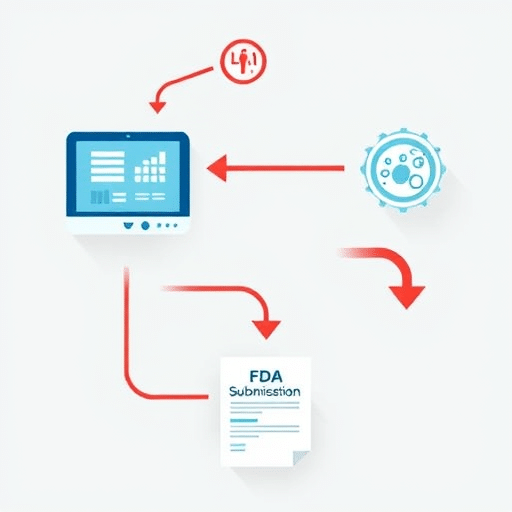
Data from these biosignals feed into an affective analytics pipeline that typically follows three stages: data collection, feature extraction, and predictive modeling.
- Data Collection: Sensors sample physiological signals at high frequency, storing the raw data securely on the device or in the cloud.
- Feature Extraction: Algorithms compute metrics such as HRV indices, mean skin conductance level, and temperature variance.
- Predictive Modeling: Trained neural networks or support vector machines classify the wearer’s current fatigue level and forecast future risk.
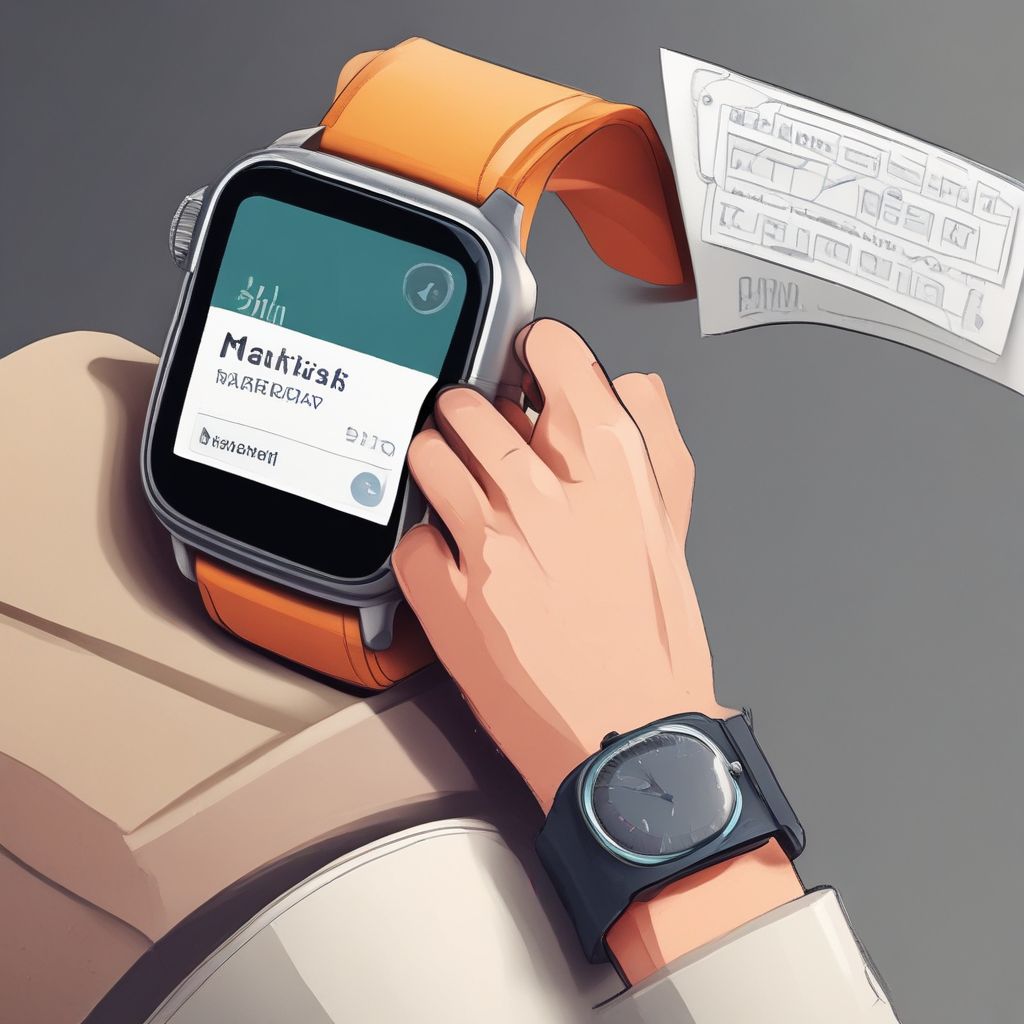
When the system flags elevated fatigue, it can trigger gentle prompts—like a soft vibration, a calming notification, or a suggestion to take a short walk—thus nudging users toward self‑care before burnout sets in.
Real‑World Applications and Success Stories
Emotion‑aware wearables are finding traction across multiple sectors:
Healthcare Settings
Hospital nurses wearing Empatica Embrace 2 devices have reported fewer episodes of acute fatigue, thanks to timely alerts that encourage micro‑breaks and breathing exercises. In chronic illness management, patients with heart failure receive real‑time fatigue scores that help clinicians tailor therapy plans.
Occupational Health
High‑risk jobs—such as air traffic controllers, surgeons, and firefighters—use emotion‑aware wearables to monitor crew fatigue. By integrating data into shift scheduling software, employers can rotate staff or schedule brief decompress sessions to maintain peak performance.
Personal Wellness
For everyday users, products like the Oura Ring and WHOOP Strap provide personalized sleep and recovery insights. Their fatigue detection algorithms encourage users to hydrate, stretch, or engage in mindfulness practices when needed.
Benefits Beyond Fatigue Detection
- Preventive Health: Early fatigue alerts reduce the risk of burnout, depression, and cardiovascular events.
- Data‑Driven Coaching: Users receive tailored recommendations based on their unique physiological patterns.
- Enhanced Patient Engagement: Continuous monitoring turns passive check‑ins into proactive dialogues with healthcare providers.
- Cost Savings: Reduced absenteeism and improved productivity lower organizational healthcare expenses.
Challenges and Ethical Considerations
While the potential is vast, emotion‑aware wearables face several hurdles:
- Data Privacy: Sensitive physiological data requires robust encryption and clear user consent frameworks.
- Algorithm Bias: Machine‑learning models must be trained on diverse populations to avoid misclassification.
- Signal Noise: External factors (e.g., temperature, motion artifacts) can distort sensor readings, demanding sophisticated filtering techniques.
- Behavioral Fatigue: Users may become desensitized to alerts if they receive them too frequently, reducing effectiveness.
Future Directions: Toward Integrated Care Ecosystems
Emerging trends point to deeper integration between emotion‑aware wearables, electronic health records (EHRs), and AI‑powered care platforms:
- Cross‑Device Synergy: Combining data from smart glasses, smartwatches, and home biosensors will yield richer emotional profiles.
- Predictive Analytics for Chronic Disease: Real‑time fatigue monitoring can flag impending exacerbations in conditions like COPD or PTSD.
- Personalized Mental Health Interventions: AI‑guided biofeedback sessions could adapt to the wearer’s emotional state on the fly.
- Regulatory Standards: Standardized frameworks for validation and certification will build trust and accelerate adoption.
Implementing Emotion‑Aware Wearables in Your Practice or Workplace
Below is a practical roadmap for adoption:
- Assess Needs: Identify which biosignals are most relevant to your users’ roles and health goals.
- Select the Right Device: Match sensor capabilities, battery life, and data integration options with your infrastructure.
- Build a Consent Framework: Ensure transparent data usage policies and user control over sharing.
- Integrate Alerts: Configure thresholds that trigger self‑care nudges, keeping the frequency balanced to avoid alert fatigue.
- Monitor and Refine: Use analytics dashboards to track adoption rates, alert accuracy, and health outcomes, adjusting algorithms as needed.
With thoughtful implementation, emotion‑aware wearables can become a cornerstone of preventive health, empowering individuals to manage fatigue proactively and maintain sustainable well‑being.
Conclusion
Emotion‑aware wearables are more than gadgets; they are data‑driven companions that listen to your body’s silent warnings of fatigue. By harnessing biosignals and affective analytics, these devices provide timely nudges toward self‑care, helping to stave off burnout and enhance overall health. As the technology matures, we can expect richer integrations, finer-grained insights, and broader accessibility—making proactive fatigue management a reality for everyone.
Ready to step into the future of self‑care? Explore the latest emotion‑aware wearables and start listening to your body’s signals today.