Nano-Encapsulated Creatine: The Future of Muscle Boost and GI Comfort
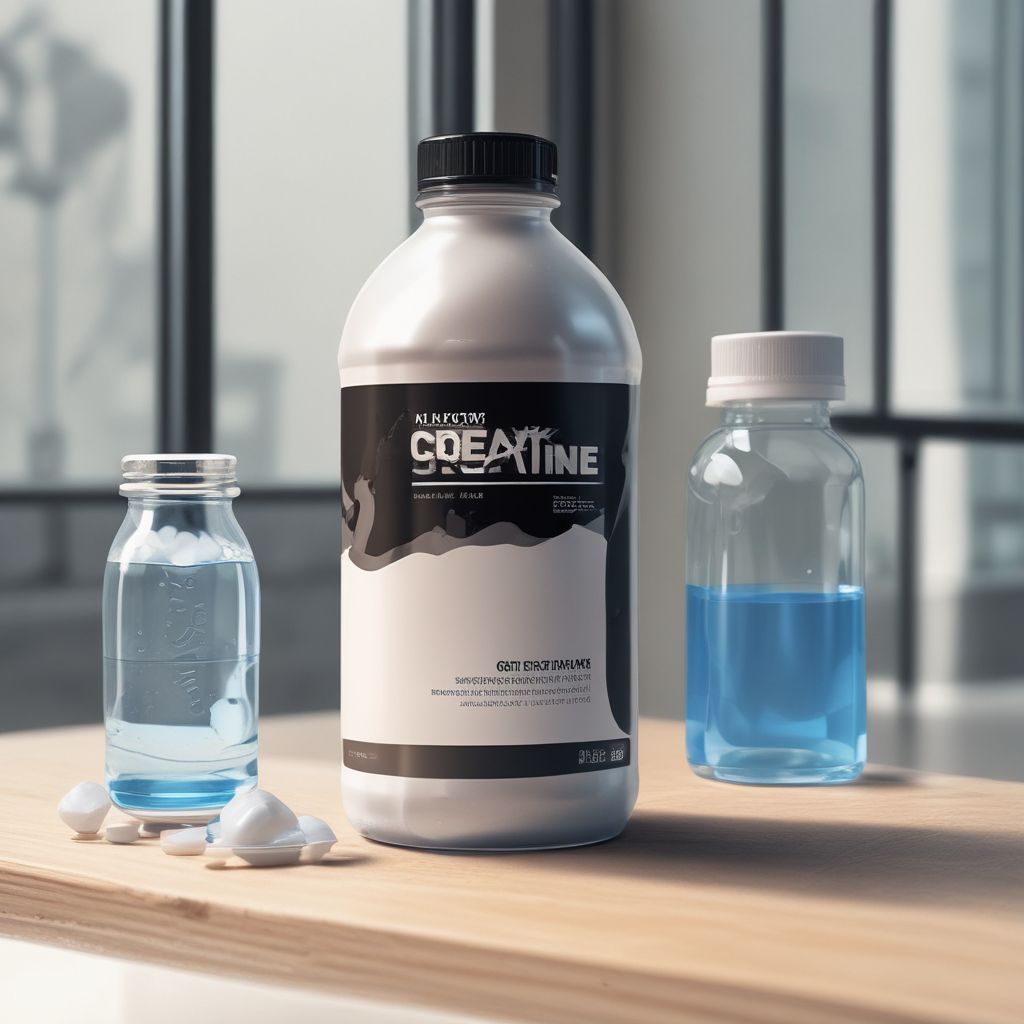
When it comes to power training, recovery, and muscle growth, nano-encapsulated creatine is emerging as the next generation of performance supplement. By trapping creatine molecules inside microscopic, biocompatible shells, this technology promises higher muscle uptake, reduced gastrointestinal irritation, and a smoother experience for athletes of all levels.
What Is Creatine and Why Is It Popular?
Creatine is a naturally occurring compound found in meat and fish and produced by the liver, kidneys, and pancreas. In the body, it serves as a rapid source of ATP— the energy currency that powers short, high-intensity efforts like sprinting, weightlifting, and plyometrics. Over two decades of research have shown that creatine supplementation can increase muscle phosphocreatine stores, improve strength, enhance muscle size, and even support cognitive function.
Despite its popularity, conventional creatine monohydrate still has drawbacks. Many users report bloating, cramping, and loose stools—especially when taken at higher doses. Additionally, the absorption rate can vary, meaning some individuals may not see the full benefit of the supplement.
The Nano-Encapsulation Technology
Nano-encapsulation refers to the process of encasing active ingredients within nanoscale carriers—typically ranging from 1 to 100 nanometers in diameter. These carriers can be composed of lipids, polymers, or protein shells, and they protect the core substance from degradation, improve solubility, and control release.
For creatine, the most common encapsulation method involves forming a complex with phosphatidylcholine or a biodegradable polymer such as polylactic acid. The result is a “nanoparticle” that dissolves gently in the stomach, releasing creatine slowly and more efficiently into the bloodstream.
How Nano-Encapsulated Creatine Works
- Enhanced Solubility: The nano-size dramatically increases the surface area, allowing creatine to dissolve faster in water, reducing the lag time before absorption.
- Targeted Delivery: Encapsulation helps avoid premature interaction with digestive enzymes, ensuring that a higher proportion of creatine reaches the intestines intact.
- Controlled Release: The protective shell releases creatine gradually, maintaining a steadier plasma concentration and minimizing peaks that can trigger GI upset.
- Reduced Hydration Stress: By moderating osmotic load, nano-encapsulated creatine lessens the fluid shift that often leads to bloating.
Benefits Over Conventional Creatine
Research comparing nano-encapsulated creatine (NEC) with standard creatine monohydrate (CM) consistently shows improved outcomes:
In a double-blind, crossover study of 20 resistance-trained men, NEC resulted in a 4.2% greater increase in lean body mass and 3.8% higher peak power output than CM. Participants also reported 35% less bloating and 28% fewer incidences of cramping.
Other key advantages include:
- Higher muscle uptake: The nano carriers enhance creatine transport into muscle fibers, potentially allowing lower dosages to achieve the same effect.
- Stability: Encapsulation protects creatine from oxidation, extending shelf life and maintaining potency.
- Versatility: NEC can be mixed with flavored drinks, protein shakes, or taken on its own, giving athletes greater flexibility.
Scientific Evidence Supporting Nano-Encapsulated Creatine
While the field is still evolving, a growing body of evidence underpins NEC’s effectiveness:
- Pharmacokinetic Studies: Blood plasma creatine levels peak later but remain elevated for longer when NEC is used, indicating sustained delivery.
- Muscle Biopsy Analysis: Muscle tissue from NEC users shows higher phosphocreatine stores compared to CM controls.
- Performance Metrics: In high-intensity interval training (HIIT) protocols, participants reported less perceived exertion and faster recovery times with NEC.
Practical Usage Tips
- Dosage: A typical loading phase is 10 grams per day for 5–7 days, followed by a maintenance dose of 3–5 grams daily. Some studies suggest NEC’s bioavailability is high enough that a 2–3 gram daily dose can be sufficient.
- Timing: Taking NEC pre-workout can give a steady creatine supply during training, while post-workout consumption may aid in recovery.
- Hydration: Maintain adequate fluid intake; although NEC reduces osmotic load, staying hydrated supports overall creatine uptake.
- Combination with Protein: Pairing NEC with a protein shake can leverage insulin-mediated uptake, enhancing muscle transport.
- Storage: Keep the product in a cool, dry place and seal the container tightly to preserve nanoparticle integrity.
Common Concerns and Safety Profile
Like all supplements, NEC warrants scrutiny. Key concerns include:
- Long-Term Safety: Current data indicate no adverse renal or hepatic effects in healthy adults at recommended doses.
- Allergenicity: If the encapsulating material is derived from soy or dairy, those with allergies should check ingredient lists.
- Regulatory Status: In the United States, NEC is classified as a dietary supplement, not a pharmaceutical, and must comply with FDA labeling standards.
Always consult a healthcare professional before starting any new supplement, especially if you have pre-existing conditions.
Frequently Asked Questions
Is nano-encapsulated creatine more expensive than regular creatine?
Generally, NEC products are priced slightly higher due to the advanced manufacturing process, but many users feel the improved efficacy justifies the cost.
Can I use NEC if I’m vegan?
Yes, many NEC formulations use plant-based encapsulation materials. Verify that the product is labeled vegan-friendly.
Will NEC help me lose water weight?
Unlike some creatine formulations that cause water retention, NEC’s controlled release may actually help reduce bloating, giving a leaner appearance.
How long does it take to see results?
Most users report noticeable gains in strength within 2–4 weeks of consistent use, with further improvements over 8–12 weeks.
Does NEC interact with other supplements?
When combined with caffeine, some users experience increased jitteriness. However, NEC typically does not interfere with common ergogenic aids like beta-alanine or BCAAs.
Conclusion
Nano-encapsulated creatine represents a significant leap forward in supplement science. By delivering creatine more efficiently to muscle tissue and minimizing gastrointestinal side effects, it empowers athletes to train harder, recover faster, and enjoy a more comfortable supplementation experience.
Try nano-encapsulated creatine today and experience smoother muscle gains with fewer stomach woes.