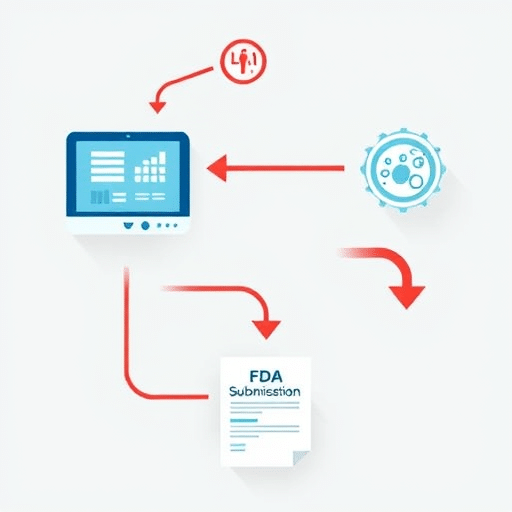
The Neighborhood Pulse concept leverages aggregated wearable data to detect local outbreaks sooner than traditional clinical surveillance, using anonymized signals like fever spikes, cough patterns, and changes in daily activity from consumer devices. By treating millions of fitness trackers and smartwatches as a distributed, privacy-preserving sensor network, communities can gain early warnings of emerging respiratory or infectious disease clusters and act before hospitals see a surge.
Why neighborhood-level early detection matters
Rapid, local detection gives public-health officials and community leaders time to target testing, distribute resources, and communicate risk to residents. Traditional surveillance—based on hospital visits, lab-confirmed cases, and emergency department reports—often lags behind transmission by days or weeks. Wearable devices capture physiological and behavioral changes in real time across broad populations, enabling earlier signal detection at the neighborhood scale when interventions are most effective.
What signals wearables can provide
Wearables and smart devices produce several classes of data that, when aggregated and analyzed responsibly, point to potential outbreaks:
- Temperature and fever proxies: Some devices measure skin temperature or estimate core temperature via algorithms; clusters of upward temperature deviations can be an early sign of fever-related illnesses.
- Cough detection and audio markers: On-device audio analytics (processed and discarded locally) can detect cough frequency changes without recording speech content.
- Activity and mobility shifts: Sudden drops in steps, increased sedentary time, or altered sleep patterns across a locality often accompany symptomatic illness.
- Heart rate and variability: Elevated resting heart rate and decreased heart-rate variability are common physiologic responses to infection and stress.
How privacy-preserving aggregation works
Protecting privacy is central to Neighborhood Pulse. The goal is actionable population-level insight, not tracking individuals. Common techniques include:
- On-device preprocessing: Raw sensor readings are summarized or converted to signal flags on the device itself, and only aggregated metrics leave the device.
- Differential privacy: Noise is added to aggregated outputs so that individual contributions cannot be reconstructed while preserving overall trends.
- Spatial and temporal aggregation: Data is reported at neighborhood or census-tract level and over multi-hour windows to prevent pinpointing of individuals.
- Opt-in and transparency: Clear consent flows, open-source algorithms, and public dashboards help build trust and accountability.
Example pipeline
An example Neighborhood Pulse pipeline might look like this:
- Devices locally compute simple metrics (e.g., fever_flag, cough_rate_bin, inactivity_delta).
- Device sends encrypted, privacy-protected counts to a regional aggregator.
- Aggregators apply statistical smoothing and differential privacy, then surface anomaly scores to public-health dashboards.
- Public-health teams cross-check signals with syndromic surveillance and targeted testing.
Case studies and pilot projects
Several pilots and research efforts have demonstrated promise:
- City-scale fever surveillance: Pilots in urban areas found that aggregated temperature proxies from wearables anticipated influenza-like illness (ILI) spikes by several days compared with emergency department data.
- University campuses: On-campus studies combined sleep, heart-rate and step-count anomalies to identify localized clusters and guide targeted testing with good accuracy.
- Respiratory pandemic early-warning: During recent respiratory outbreaks, aggregated activity drops and cough-detection upticks correlated with rises in confirmed cases, enabling earlier public messaging.
How public-health teams and communities can implement Neighborhood Pulse
Implementing an effective Neighborhood Pulse requires collaboration between device vendors, local health departments, community organizations, and privacy advocates. Key practical steps include:
- Define objectives and metrics: Decide which signals matter most (e.g., fever rate vs. activity delta) and what constitutes an actionable alert.
- Partner with vendors and researchers: Work with device manufacturers and universities to validate algorithms and ensure on-device processing is robust.
- Set governance and consent policies: Establish transparent opt-in mechanisms, data retention rules, and independent oversight panels.
- Integrate with existing systems: Connect Neighborhood Pulse outputs with local public-health dashboards and response playbooks to enable rapid action.
- Run regular drills: Test alerting, community communication, and targeted testing workflows to ensure the system leads to timely, practical interventions.
Limitations and ethical considerations
Neighborhood Pulse is promising but not a panacea. Challenges include:
- Representativeness: Wearable ownership skews by age, income, and tech affinity; signals may under-represent vulnerable populations unless supplemented by other data sources.
- False positives and specificity: Activity dips may reflect weather, holidays, or non-infectious causes; statistical methods must filter noise to avoid alarm fatigue.
- Equity and access: Programs must avoid exacerbating disparities—e.g., by subsidizing devices or integrating community reporting where wearables are scarce.
- Trust: Community buy-in is essential; transparent governance, clear benefits, and robust privacy guarantees are a must.
Design safeguards
To address these issues, adopt safeguards such as deploying hybrid surveillance (wearables plus sentinel clinics), public transparency reports, and periodic independent audits of algorithms and privacy measures.
Future directions
Neighborhood-level surveillance using aggregated wearable data can evolve in several promising ways:
- Multi-modal fusion: Combining wastewater data, over-the-counter medication sales, and wearable signals to improve detection accuracy.
- Adaptive models: Machine-learning models that adjust to seasonality, holidays, and local behavior patterns to reduce false alarms.
- Community-driven deployments: Local dashboards and alerting tools that empower neighborhoods to co-design responses and prioritize equity.
With careful design, Neighborhood Pulse can become a cost-effective complement to clinical surveillance—offering faster, more localized situational awareness while preserving individual privacy.
Conclusion: Aggregated wearable data offers a practical, privacy-conscious way to detect local outbreaks before hospitals do, giving communities a head start on testing, containment, and communication. By combining robust on-device processing, differential privacy, and strong governance, Neighborhood Pulse can deliver early warnings without compromising trust.
Ready to explore Neighborhood Pulse for your community? Contact local public-health partners to pilot a privacy-preserving wearable surveillance program today.