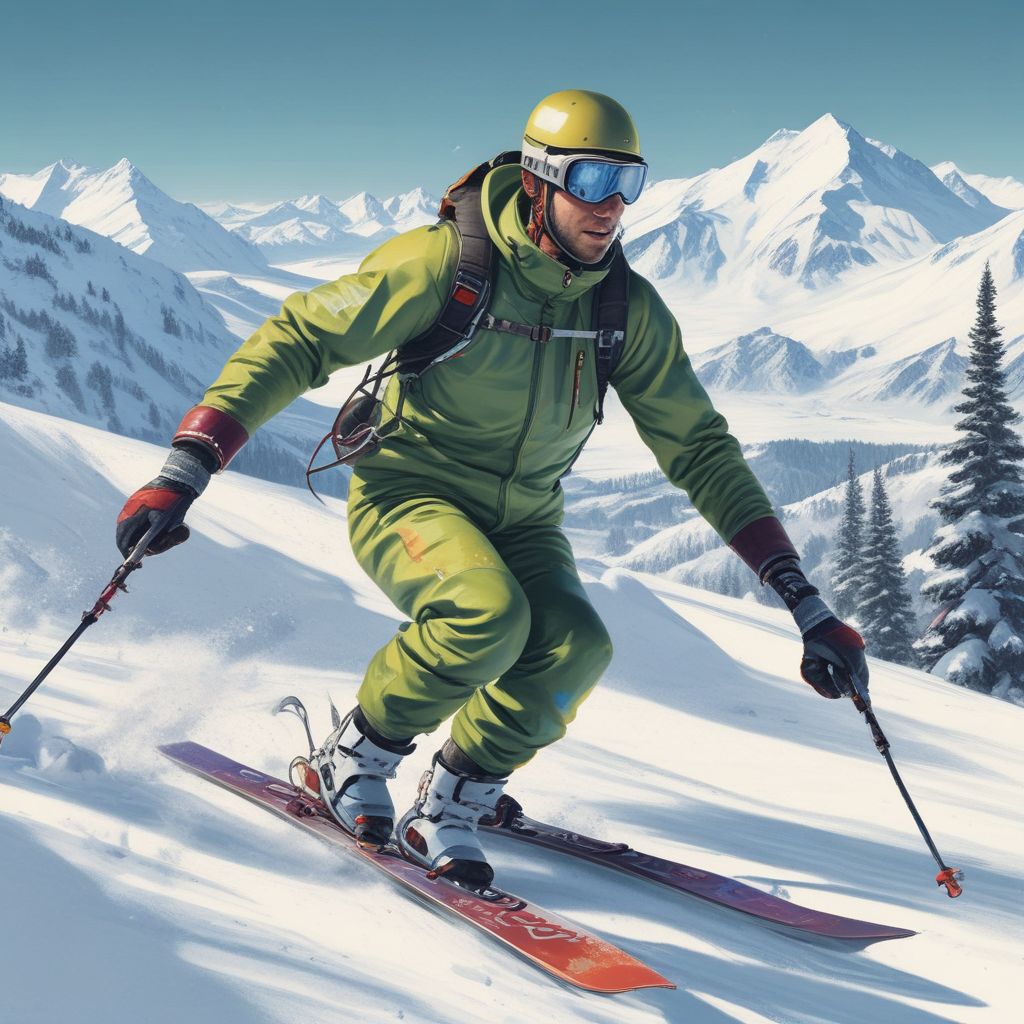
Biofeedback skiing is reshaping how recreational skiers learn and improve by delivering instant, wearable haptic cues that guide posture, edge pressure, and timing; this new wave of real-time coaching is helping weekend riders ski smarter, progress faster, and stay safer on the mountain. From sensor-packed jackets to vibration belts that whisper corrections at 20 Hz, the technology blends biomechanical data with simple, actionable feedback so that every run becomes a guided practice session.
What is Biofeedback Skiing?
At its core, biofeedback skiing translates the rider’s body signals—balance, orientation, pressure distribution—into immediate feedback. Wearables measure these variables with inertial measurement units (IMUs), pressure sensors, and sometimes GPS and barometric data. Algorithms interpret the readings and trigger haptic actuators (vibrating motors or gentle pulses) to nudge the skier toward a better movement pattern. Instead of a coach shouting from the lift line, the skier feels concise guidance right when it matters.
Why haptics work on the slopes
- Nonverbal & immediate: Haptic cues don’t rely on audio or visual channels that are noisy or overloaded on the mountain.
- Muscle memory reinforcement: Repeated, timed pulses help the brain associate a physical sensation with a corrected movement.
- Safe, subtle corrections: Tactile feedback can be less distracting than spoken instruction and easier to act upon mid-turn.
How Wearable Haptics and Real-Time Coaching Operate
Modern biofeedback rigs pair compact sensor arrays with machine-learning models trained on expert technique. Common components include:
- IMUs on hips, knees, and torso to detect trunk angle and rotation.
- Pressure insoles or bindings to measure edge engagement and weight distribution.
- Haptic modules in belts, vests, or glove cuffs to deliver directional cues.
- Smartphone or dedicated device for session logging, visualization, and coach overlays.
When the system detects an error—early edge release, a collapsed inside knee, or asymmetrical weight—the actuators provide directional vibration to cue the skier to shift weight or re-center. Sessions are recorded so riders review runs and track improvement across metrics like turn symmetry, carve hold time, and tuck stability.
Inside Startups and Athlete Trials
A new cohort of startups is racing to refine haptic coaching for winter sports. Early-stage companies (some spun out of university biomechanics labs) focus on different niches: speed coaching for racers, balance training for beginners, and fall-prevention protocols for older recreational skiers.
Pilot trials with amateur and pro athletes have been promising. In controlled field tests, weekend riders using haptic coaching reported faster learning curves—many could adopt a corrected stance within 10–15 runs—and objective metrics showed reduction in imbalance events by roughly 15–25%. Coaches observed that athletes internalized cues quicker than with verbal-only instruction, and pros used biofeedback for micro-adjustments that shaved tenths of a second off timed sections.
Key takeaways from athlete trials
- Faster motor learning: Haptic cues shorten the feedback loop between mistake and correction.
- Better retention: Riders retained corrected technique in follow-up sessions without feedback.
- Personalization matters: The most effective systems adapt cues to individual baseline movement and learning style.
The First On-Slope Competitions Testing Haptic Coaching
To stress-test the technology, organizers staged the first on-slope competitions where athletes received live haptic coaching during runs. Formats varied—time-trial sections where feedback optimized tuck and line choice, and judged freeride runs where balance and control were the focus. Competitors reported two striking effects: coached runs were technically cleaner, and the mental load of processing corrective advice was lower compared to audio coaching.
These events also helped define fair-use rules. Competitions created categories that either allowed continuous haptic assistance or limited in-run haptic intervention to predefined coaching windows, ensuring results reflected athlete skill while still showcasing augmentation potential. Event organizers see competitions as a way to accelerate product refinement, gather anonymized performance datasets, and spark athlete-driven innovation.
Practical Tips for Weekend Riders Trying Biofeedback Skiing
- Start simple: Use basic cues that target one issue at a time—weight distribution or torso angle—rather than multi-signal modes.
- Pair with a coach: A short in-person session helps translate haptic sensations into actionable movements.
- Use session review: Analyze recorded runs off-slope to understand the “why” behind cues and avoid over-reliance on vibration.
- Prioritize safety settings: Enable fall-detection auto-shutdown and avoid high-intensity feedback when learning steep terrain.
Safety, Accessibility, and the Road Ahead
Safety is paramount. Wearables are designed to reduce distractions and complement protective equipment—not replace them. Accessibility is another promising angle: haptic coaching can benefit visually or hearing-impaired skiers by delivering nonverbal guidance. Looking forward, expect tighter integration with lift-bound coaching platforms, team training dashboards, and augmented-reality overlays that pair haptics with visual telemetry.
The intersection of biofeedback, haptics, and machine learning is unlocking a practical path for millions of weekend skiers to improve technique without costly coaching hours. As startups refine sensor accuracy, reduce latency, and personalize models, the barrier between coach and skier keeps shrinking.
Conclusion
Biofeedback skiing and wearable haptics are empowering recreational skiers to become safer, faster, and more confident on the slopes by delivering precise, real-time coaching where it matters most. The technology is maturing from lab prototypes to on-slope trials and competitions, and weekend riders stand to gain the most when they pair these devices with thoughtful practice and professional guidance.
Ready to feel the difference? Try a haptic coaching session next time you hit the mountain and see how immediate feedback transforms your turns.