The rise of wearable-triggered micro-consultations is reshaping telemedicine: passive wearable alerts that spawn instant remote clinician check-ins are proving effective at stopping unnecessary ER visits and reducing readmissions. As pilots across health systems test these systems, clinicians and administrators are learning how brief, targeted interventions can de-escalate crises, improve patient adherence, and streamline outpatient workflows without burdening emergency services.
What are wearable-triggered micro-consultations?
Wearable-triggered micro-consultations are short, clinician-led virtual check-ins initiated automatically when a patient’s wearable device detects a pre-set physiological or behavioral threshold—such as sustained tachycardia, oxygen desaturation, fall detection, or inactivity patterns. Unlike scheduled telehealth visits, these micro-consults are reactive, brief (often under 10 minutes), and purpose-built to triage, reassure, or recommend immediate next steps that can avert emergency department utilization.
How pilots are structured
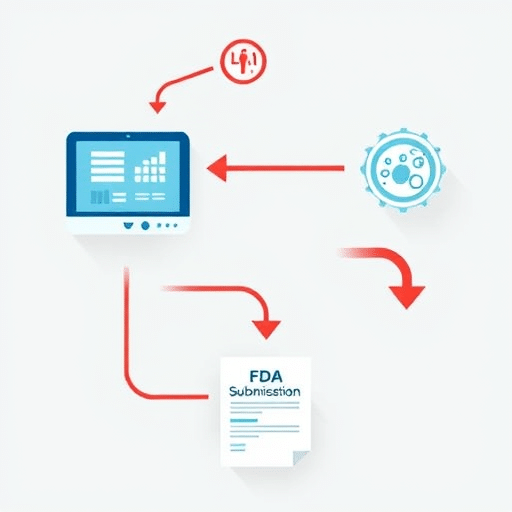
- Passive monitoring: Patients wear FDA-cleared or clinically validated devices that stream data to a secure platform.
- Smart alerting: Algorithms filter noise and trigger alerts only when clinically meaningful deviations occur.
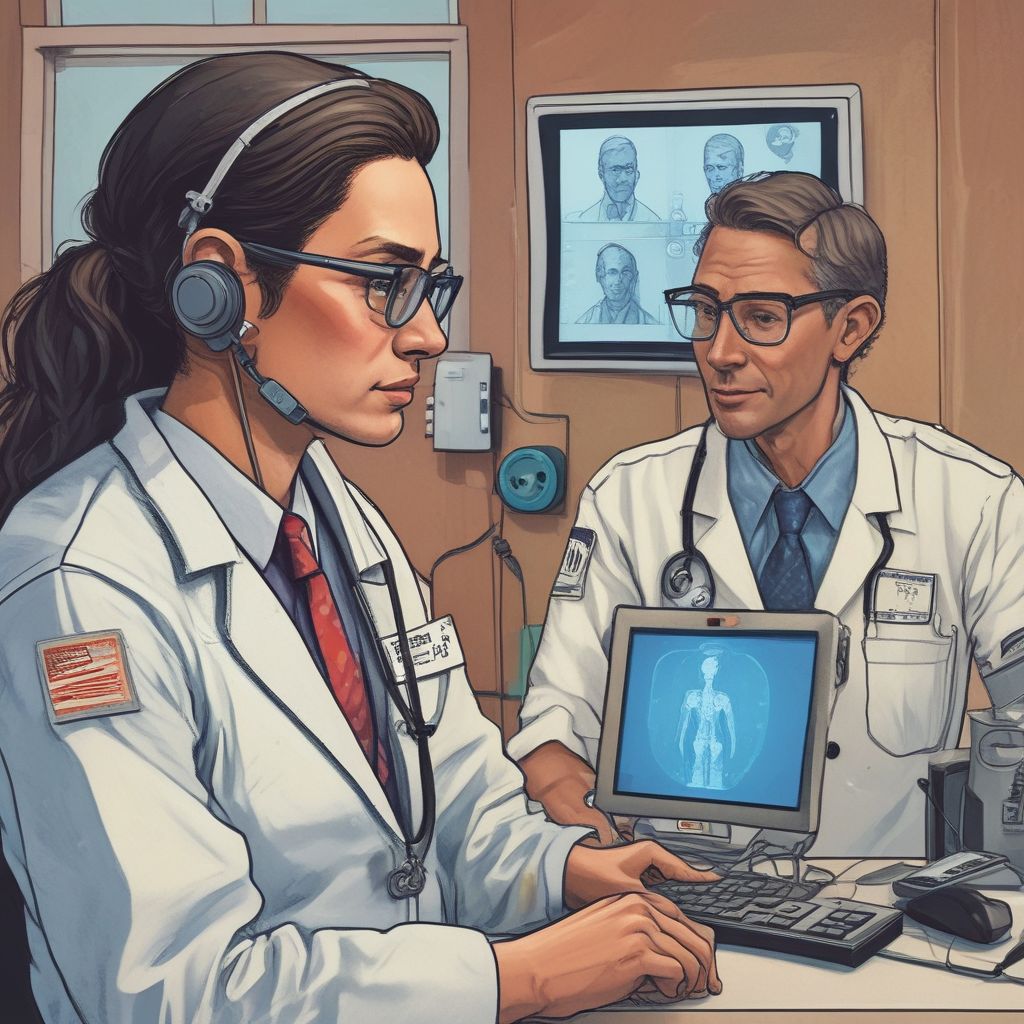
- Rapid clinician response: A nurse or telemedicine clinician receives the alert and initiates a micro-consult via phone or secure video.
- Action protocols: Standardized decision trees guide the clinician to escalate care, adjust medications, arrange home services, or reassure and document.
- Feedback loop: Outcomes (ED visits avoided, medication changes, readmissions) are tracked for evaluation.
Why pilots show promise
Pilot programs reported several immediate benefits that explain why wearable-triggered micro-consultations are drawing attention:
- Reduced ER visits: Early detection of deteriorations lets clinicians intervene before a condition becomes an emergency.
- Lower readmissions: Timely adjustments and home support reduce bounce-backs after discharge.
- Patient reassurance and adherence: Quick, human contact following an alert reduces anxiety and improves follow-through on care plans.
- Workflow efficiency: Micro-consults are short and focused, allowing clinicians to resolve many issues without lengthy visits.
- Data-driven personalization: Continuous signals enable tailored thresholds and interventions per patient risk profile.
Real-world examples
In one academic hospital pilot, a wearable that signaled nocturnal hypoxia triggered a nurse hotline call; simple oxygen adjustments and home oxygen delivery prevented 12 potential ED visits over three months. Another integrated care program used fall-detection triggers to dispatch a tele-nurse, leading to same-day physical therapy and home-safety modifications that reduced subsequent falls and related admissions.
Design and implementation considerations
Success hinges on thoughtful program design across technology, clinical workflows, and patient experience.
Technical reliability and intelligent alerting
- Choose devices validated for clinical accuracy and battery life compatible with continuous monitoring.
- Develop filtering algorithms to minimize false positives and clinician alert fatigue.
- Integrate seamlessly with existing EHRs and communication platforms to ensure documentation and follow-up.
Clinical protocols and staffing
- Create standardized triage algorithms so micro-consults have clear goals and escalation paths.
- Allocate a dedicated rapid-response pool (nurses, advanced practice providers) trained in micro-consult workflows.
- Decide which alerts require clinician outreach versus automated messaging or caregiver notifications.
Patient consent, equity, and privacy
- Obtain informed consent that explains what data is monitored, how alerts are handled, and privacy safeguards.
- Address equity by ensuring wearables and connectivity are accessible to populations at higher risk of readmission.
- Implement robust encryption and data governance to protect PHI while enabling rapid clinician access.
Measuring impact
Clear metrics are essential to prove value and secure sustainable funding:
- Primary outcomes: ED visits avoided, 30-day readmission rates, and time-to-intervention after alert.
- Operational metrics: alert volumes, average micro-consult duration, clinician workload, and false positive rate.
- Patient-centered metrics: satisfaction, perceived safety, medication adherence, and functional outcomes.
- Financial metrics: cost savings from avoided admissions, reimbursement capture, and ROI over 6–12 months.
Barriers and policy levers
Key barriers include reimbursement uncertainty for micro-consults, clinician liability concerns, and the need for interoperability standards. Policy and payer levers that can accelerate adoption include clear telehealth billing codes for brief clinician interventions, incentives for remote monitoring that demonstrably reduce hospital utilization, and certification standards for clinical-grade wearables.
Best practices for running a successful pilot
- Start small with a clearly defined high-risk cohort (e.g., COPD post-discharge, heart failure patients).
- Co-design protocols with frontline nurses and patients to ensure usability and acceptance.
- Iterate on alert thresholds using early data to balance sensitivity and specificity.
- Embed evaluation from day one with control comparisons or stepped-wedge designs.
- Plan a sustainable staffing and reimbursement model before scaling.
Looking ahead
Wearable-triggered micro-consultations point to a future where continuous, passive monitoring and rapid, focused clinician touchpoints close critical care gaps in the outpatient setting. As pilots mature into robust programs, health systems that integrate intelligent monitoring, human-centered workflows, and value-based payment models will be best positioned to reduce avoidable ER visits and improve long-term outcomes.
Conclusion: Wearable-triggered micro-consultations are a practical, emerging telemedicine strategy that can stop many ER visits before they start, lower readmissions, and reshape outpatient care through timely, data-driven clinician interventions.
Call to action: Explore a pilot in your health system—identify a high-risk cohort, select validated wearables, and build a rapid-response micro-consult pathway to test impact over 90 days.