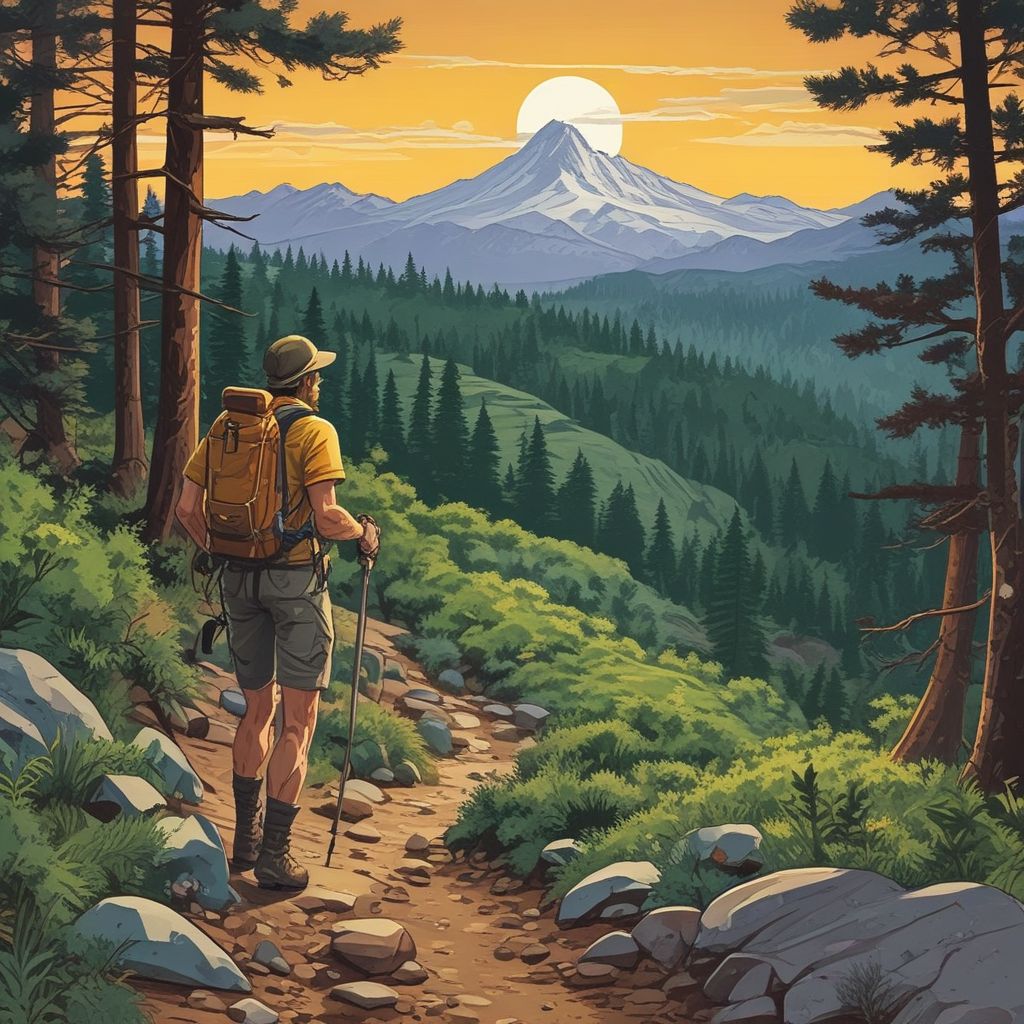
Micro-Night Hikes are short, focused 60-minute after-work trail outings designed to deliver exercise, mental reset, and better sleep without the time commitment of a full evening. By making the main keyword “Micro-Night Hikes” the centerpiece of an easy routine, busy people can get consistent outdoor movement, lower stress, and meaningful connection to local greenways and trail communities—all in an hour.
Why 60 Minutes Works: The science and the simple logic
A one-hour walk on a nearby trail hits a sweet spot for physical and mental benefits. Research shows moderate aerobic activity for 30–60 minutes raises heart rate, helps regulate circadian rhythms, and reduces anxiety—factors that improve sleep quality when performed a few hours before bedtime. Practically, a 60-minute micro-hike fits into commute windows, lets you unwind after work, and keeps activity sustainable over months.
Fitness benefits
- Cardio and steady-state calorie burn without intense recovery time.
- Lower-body strength and balance from varied terrain—steps, small roots, gentle inclines.
- Improved mobility and joint health from regular weight-bearing movement.
Sleep and mood
- Evening exposure to natural light (and gradual dusk) helps anchor circadian timing.
- Stress reduction through mindful pacing and nature immersion improves sleep onset.
- Endorphin and serotonin boosts from activity and social connection.
Practical Safety Tips for Micro-Night Hikes
Safety is the foundation of enjoyable after-work night hiking. These practical, easy-to-adopt tips keep outings low-risk and high-reward.
- Know the trail: Choose well-marked, maintained routes and scout them in daylight first if possible.
- Tell someone: Share your route and expected return time with a friend or partner.
- Bring light and backup: A comfortable headlamp (with fresh batteries) plus a small backup flashlight or phone light.
- Wear visible clothing: Reflective strips or bright colors help cyclists and other trail users spot you.
- Pack minimally but wisely: Water bottle, whistle, small first-aid kit, multi-tool, and an external battery for your phone.
- Check weather and daylight: Dress in layers and avoid trails that flood or get dangerously slick at night.
- Move at a safe pace: Slow down on technical sections—night vision changes depth perception.
- Respect wildlife: Make noise on blind corners and keep dogs leashed where required.
Essential Gear Checklist (Under 5 lbs)
- Headlamp (300–500 lumens recommended) + spare batteries
- Lightweight trail shoes or stable sneakers
- Light layer (windbreaker or fleece) and hat
- Hydration: 16–24 oz bottle or small bladder
- Phone with offline map or trail app + pocket power bank
- Whistle, small first-aid items, and ID
Easy Route Ideas for 60-Minute After-Work Hikes
Choose routes that are short loops, bidirectional paths, or rail-trails with even footing to maximize time on the move and minimize navigation stress.
- Urban greenway loop: 2–4 miles on a paved or compacted trail that threads parks and riverside paths—great for consistent pace.
- Neighborhood ridge or park circuit: Single-track loops of 1.5–3 miles with moderate grades—adds variety without technical exposure.
- Canal or river towpath: Flat and lit in many towns; perfect for brisk walking or easy running.
- Community forest loop: Short, maintained trails in city forests often have clear markers and fewer people late in the day.
- Trail-to-park commute: Walk one-way to a nearby park and return using transit or a quick ride-share for a mixed-mode adventure.
How to Connect With Evening Trail Communities
Connecting with other micro-night hikers amplifies safety, accountability, and stewardship. Try these simple ways to get plugged in.
- Local trail groups: Search for city or county trail conservancies—many host evening meetups and volunteer events.
- Meetup and Facebook groups: Look for “after-work hikes,” “evening trail walks,” or “night hikes” in your region.
- Running clubs and walking groups: Many clubs offer “social runs/walks” that start around 6PM—join for consistent schedule and pacing options.
- Hashtags and apps: Use tags like #MicroNightHike, #AfterWorkHike, or local trail hashtags to find people sharing routes and tips.
- Organize a micro-hike swap: Invite neighbors for a monthly 60-minute trail session—focus on easy access and rotating trail leaders.
Stewardship: How Evening Hikers Can Give Back
Short trails sessions create ongoing presence on the land—use that presence to support trail health and community well-being.
- Carry a trash bag: A small, folded bag fits in a pocket and lets you collect litter on each hike.
- Report hazards: Use your local park app or municipality hotline to report fallen trees, erosion, or trail damage.
- Join twilight volunteer days: Many groups coordinate after-work stewardship evenings—perfect for micro-hikers who want to help but can’t commit to daytime projects.
- Share positive trail reports: Post route conditions and photos to group pages; this helps other users plan safer outings.
Sample 60-Minute Micro-Night Hike Plan
- 0–5 min: Warm-up walk from the parking spot or transit stop; check lights and gear.
- 5–45 min: Main loop or out-and-back at conversational pace; add short brisk segments on flats or gentle climbs.
- 45–55 min: Slow the pace; include mobility moves—calf raises, ankle circles, hip openers.
- 55–60 min: Cool-down walk, rehydrate, and note any stewardship tasks or route changes.
Final Practical Tips
- Start twice a week and build to 3–5 micro-hikes per week for sustained benefits.
- Use a simple tracker or calendar reminder—consistency beats intensity for long-term sleep and fitness gains.
- Be flexible: if rain or a scheduling conflict appears, translate the routine into a 30–40 minute walk on a well-lit sidewalk rather than skipping entirely.
Micro-Night Hikes offer a practical, enjoyable path to better fitness, improved sleep, and stronger local trail communities. With a headlamp, sensible route choices, and a bit of stewardship spirit, 60 minutes after work becomes a powerful habit for body and mind.
Ready to try one tonight? Grab a headlamp, pick a nearby loop, and share your first micro-night hike with a local trail group.