The rise of passive smartphone sensors is changing how clinicians and care teams understand everyday patient behavior. By leveraging passive smartphone sensors—accelerometers, GPS, microphone metadata, screen time, and Bluetooth proximity—health systems can deliver micro-interventions that nudge adherence, improve appointment attendance, and support self-management without adding burden to patients.
What are passive smartphone sensors and why they matter
Passive smartphone sensors collect contextual signals without active input from the user. Unlike surveys or scheduled check-ins, these sensors capture patterns such as mobility, sleep proxies, social isolation signals, and routine disruption. For chronic care populations, those subtle signals often precede clinical issues (missed meds, missed appointments, and lapses in self-care), making them high-value triggers for timely, low-friction support.
Types of micro-interventions enabled by passive data
Micro-interventions are short, targeted actions designed to influence behavior in the moment. When driven by passive smartphone sensors, they become context-aware and minimally intrusive. Examples include:
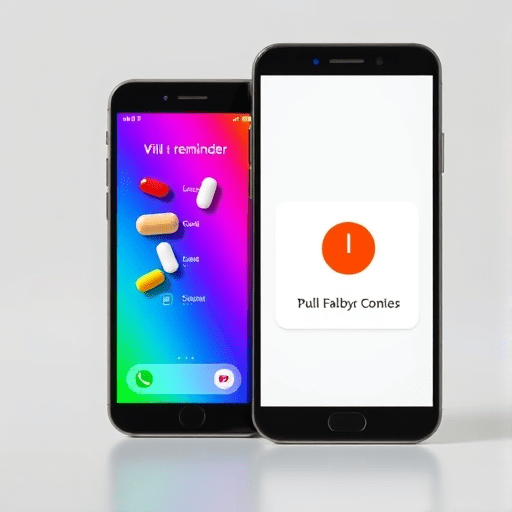
- Adaptive reminders: If geolocation shows a patient at a pharmacy or near a clinic, send a gentle medication or refill reminder timed to that location.
- Contextual appointment nudges: Detect prolonged inactivity or late-night phone use the evening before an appointment and send a calm reminder with directions and parking tips.
- Activity-based coaching: Use step counts or inferred sedentary time to trigger a 3-minute breathing exercise or a brief encouragement message after long periods of inactivity.
- Social connection prompts: Bluetooth proximity or call/text frequency drops can trigger suggestions to contact a support person or join a virtual group session.
- Medication adherence micro-tasks: When screen unlocks cluster around known dosing times, send a quick one-tap confirm that the medication was taken and log adherence automatically.
Design principles for effective, ethical micro-interventions
Successful programs balance efficacy with privacy and user experience. Core design principles include:
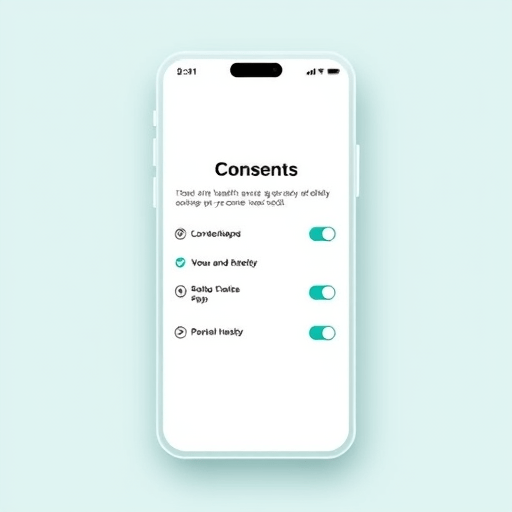
- Consent and transparency: Offer clear explanations about what sensors collect, how data is used, and how interventions are chosen.
- Minimal intrusion: Prioritize lightweight nudges (short messages, single-tap actions) and avoid excessive notifications that cause alert fatigue.
- Relevance and timing: Base interventions on multiple concordant signals (e.g., low mobility + missed doses) to reduce false positives and maintain trust.
- Personalization: Tailor tone, frequency, and modality (SMS, in-app, automated call) to individual preferences and literacy.
- Equity-aware design: Ensure algorithms don’t penalize populations with intermittent connectivity, older devices, or different usage patterns.
Clinical pathways and integration with care teams
Passive-sensor driven micro-interventions are most effective when they fit into existing clinical workflows:
- Escalation thresholds: Define when an automated nudge is enough versus when a care manager should reach out (for persistent non-adherence or worsening signals).
- EHR integration: Feed summarized, actionable insights into the electronic health record so clinicians can see trends without wading through raw sensor logs.
- Shared decision-making: Involve patients in setting alert thresholds and deciding which interventions are appropriate, increasing acceptability and adherence.
Real-world use cases and evidence
Early pilots demonstrate promise across multiple chronic conditions:
- Diabetes: Mobility patterns and meal-time phone behavior helped time educational micro-lessons and blood glucose reminders, modestly improving adherence.
- Heart failure: Reduced step count and shorter outing frequency triggered home health outreach and medication reconciliation, reducing readmissions in small studies.
- Mental health comorbidity: Social isolation signals prompted peer check-ins and brief CBT-style exercises, which patients reported as supportive and non-stigmatizing.
Privacy, security, and regulatory considerations
Collecting passive data raises legitimate concerns that must be proactively addressed:
- Data minimization: Store only derived features (e.g., “mobility low”) rather than raw GPS tracks unless clinically necessary.
- Encryption and access controls: Apply end-to-end encryption, role-based access, and audit logs to all sensor-derived data.
- Regulatory compliance: Ensure adherence to HIPAA, GDPR, and local privacy laws; obtain explicit, revocable consent for data uses that are not strictly clinical.
Challenges and how to mitigate them
Implementers should anticipate hurdles and build resilience into programs:
- Signal variability: Combine multiple sensors and contextual features to reduce noise and false triggers.
- Digital divide: Provide fallback interventions (phone calls, community health worker outreach) for patients without smartphones or with limited data plans.
- Alert fatigue: Use adaptive algorithms that reduce notification frequency when patients consistently dismiss messages.
- Clinical validation: Run randomized or pragmatic trials to measure meaningful outcomes—adherence rates, appointment attendance, hospitalization reduction—before scaling.
Practical roadmap to deploy passive-sensor micro-interventions
A pragmatic rollout can follow five steps:
- Identify priority workflows — start with a single, measurable problem such as missed medication refills or no-shows.
- Collect consented pilot data — recruit a representative cohort and collect sensor-derived features for baseline modeling.
- Design micro-interventions — co-design messages with patients and clinicians; A/B test tone and timing.
- Integrate with care teams — set escalation rules and EHR summaries for clinicians.
- Evaluate and scale — measure clinical and engagement outcomes, iterate, then expand to other conditions.
Ethical horizons and the future of silent signals
As machine learning models improve, passive smartphone sensors will enable ever more nuanced micro-interventions: predictive appointment rebooking, adaptive medication schedules, and community-based prompts linking patients to local resources. The ethical imperative is to ensure these tools augment human care, preserve dignity, and respect autonomy—making health support feel like a timely hand on the shoulder, not a constant surveillance presence.
Conclusion: Passive smartphone sensors can transform chronic care engagement by enabling personalized, context-aware micro-interventions that reduce friction for patients and create actionable insights for clinicians. When designed with consent, equity, and clinical validation in mind, these silent signals become powerful, humane tools to help patients adhere, attend, and self-manage more effectively.
Ready to explore how passive-sensor micro-interventions could fit into your chronic care program? Request a pilot consultation to map sensors to outcomes and design patient-centered nudges.