The rise of Pause-and-Plan mechanics is quietly reshaping how players experience action games—allowing a split-second of calm to craft smarter, more accessible decisions without giving up the thrill of real-time combat. Pause-and-Plan mechanics blend the immediacy of action with the deliberation of strategy, letting players freeze, assess, and execute complex moves; in doing so they change not just difficulty curves but design philosophy across PC and console titles. This article explores what these systems are, why they’re spreading, how they help accessibility, and what designers and players can learn from them.
What are Pause-and-Plan mechanics?
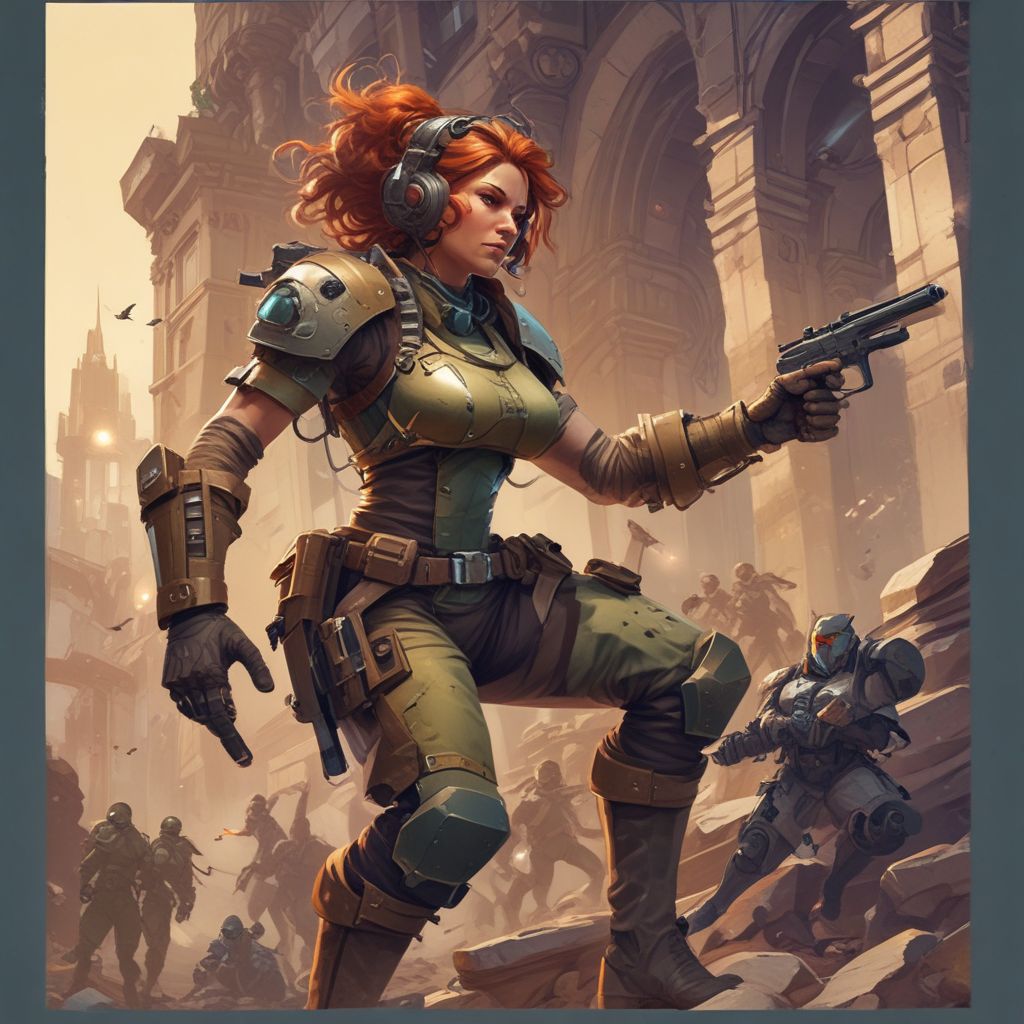
At their core, Pause-and-Plan mechanics let a player interrupt or slow real-time gameplay to make tactical choices—selecting abilities, issuing commands to companions, aiming precision shots, or repositioning—then resume action to see those choices play out. They sit on a continuum between fully turn-based systems and pure twitch-focused action: some games offer a full stop with a command UI, others only slow time or allow short buffered inputs. The consistent goal is to give players cognitive room to think under pressure while preserving the flow and immediacy of action.
Common forms of Pause-and-Plan
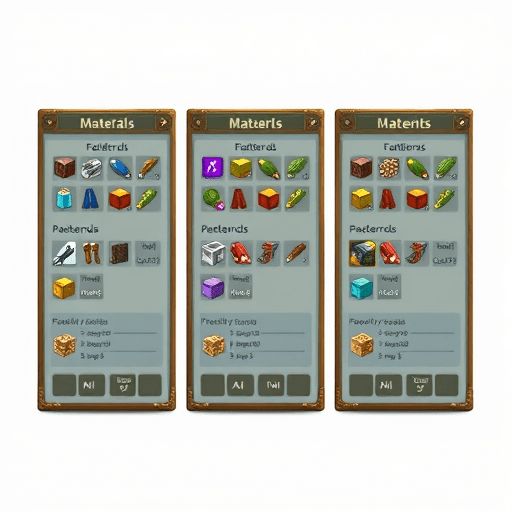
- Full pause with strategic UI: the game freezes and presents options to target, queue abilities, or manage inventory.
- Slow-motion planning windows: time slows dramatically so players can aim, issue commands, or switch loadouts.
- Buffered planning: brief moments where inputs are queued and executed once real-time resumes (helpful for combo chaining).
- Contextual tactical overlays: temporary UI overlays highlight enemy weaknesses, paths, or ally commands during a pause.
Why designers are adding Pause-and-Plan
Designers add Pause-and-Plan mechanics for many reasons, but three advantages stand out:
- Strategic depth without alienating newcomers: Players can explore complex builds, synergies, and multi-step tactics without being punished by fast reflex gates.
- Accessibility gains: Breaking high-pressure sequences into manageable decision pockets helps players with motor, cognitive, or sensory impairments enjoy the same content.
- Pacing and drama: Pauses create narrative and mechanical beats—moments of calm that make the return to chaos feel meaningful.
Accessibility: a practical win
Pause-and-Plan systems are one of the most concrete ways to widen a game’s audience. They let players who need more time to process information or to issue inputs participate fully in encounters that otherwise rely on split-second timing. With modest UI considerations—clear highlight states, keyboard/mouse/controller parity, and configurable pause behavior—these systems can unlock content for many players without compromising challenge for those who prefer raw speed.
How Pause-and-Plan reshapes combat design
Introducing a pause alters the trade-offs that designers must balance. Enemy encounters can be designed around layered problems—positioning + resource management + target priority—because players have a sanctioned moment to parse them. This opens up design patterns less viable in strict twitch systems:
- Multi-stage enemies that require set-up or sequencing rather than single-shot reflexes.
- Squad or companion AI that receives player directives during the pause, making party-based tactics more meaningful.
- Resource and cooldown interplay that rewards planning and foresight rather than raw APM (actions per minute).
Maintaining tension while offering control
One challenge is preserving stakes: if pausing removes all risk, combat can feel safe and hollow. Good implementations either:
- Limit pause duration or frequency, forcing players to choose when to spend their planning opportunities,
- Retain some real-time consequences (e.g., persistent area hazards), or
- Make pauses meaningful by costing a resource or tying them into narrative systems.
Design patterns and best practices
Designers adding Pause-and-Plan should consider these practical guidelines:
- Make the pause discoverable: teach players early how and when to use the feature through a low-stakes tutorial.
- Keep UI consistent: use the same inputs and visuals across pause and real-time modes to reduce cognitive switching costs.
- Provide feedback: clearly show queued actions and predicted outcomes so players can trust their plans.
- Allow customization: let players choose whether the pause is full-stop, slowed time, or assistive highlights to match playstyles and needs.
- Balance enemy design: create encounters where pausing rewards insight rather than acting as a cheat.
Tips for players: how to win with Pause-and-Plan
- Use pauses to orient: scan the battlefield for threats, choke points, and high-priority targets before committing.
- Queue combos: stack abilities that interact, then unpause to watch them cascade—this is safer than trying to chain under pressure.
- Delegate with confidence: when companions are present, issue roles (tank/heal/sniper) while paused to avoid micromanaging mid-combat.
- Practice timing: learn the rhythm of when a pause is most valuable—early planning versus mid-fight correction.
Where Pause-and-Plan is headed
As studios focus on inclusivity and richer decision spaces, Pause-and-Plan mechanics will likely spread into more genres and hybrid experiences. Expect smarter AI that responds more intelligently to queued orders, toggles for mixed-reality inputs, and design experiments that make planning a core expressive layer—much like choreography for dancers where a pause becomes a flourish rather than a break.
Potential innovations to watch
- Adaptive pause systems that change length or affordances based on player ability or difficulty selection.
- Social pause features for co-op: shared planning windows where teammates sync strategies before resuming.
- Procedural encounter design tuned to reward planning skill, creating emergent challenge curves.
Pause-and-Plan mechanics are more than an accessibility toggle; they are a design philosophy that acknowledges thoughtfulness as an elegant counterpoint to reflex. By giving players sanctioned space to plan, games gain richer strategic layers, more inclusive audiences, and memorable combat rhythms.
Conclusion: Pause-and-Plan mechanics are transforming action games by blending immediacy with intention—improving accessibility and deepening combat without sacrificing excitement.
Ready to experience smarter action? Try a game with Pause-and-Plan support and notice how thinking a moment can change how you win.