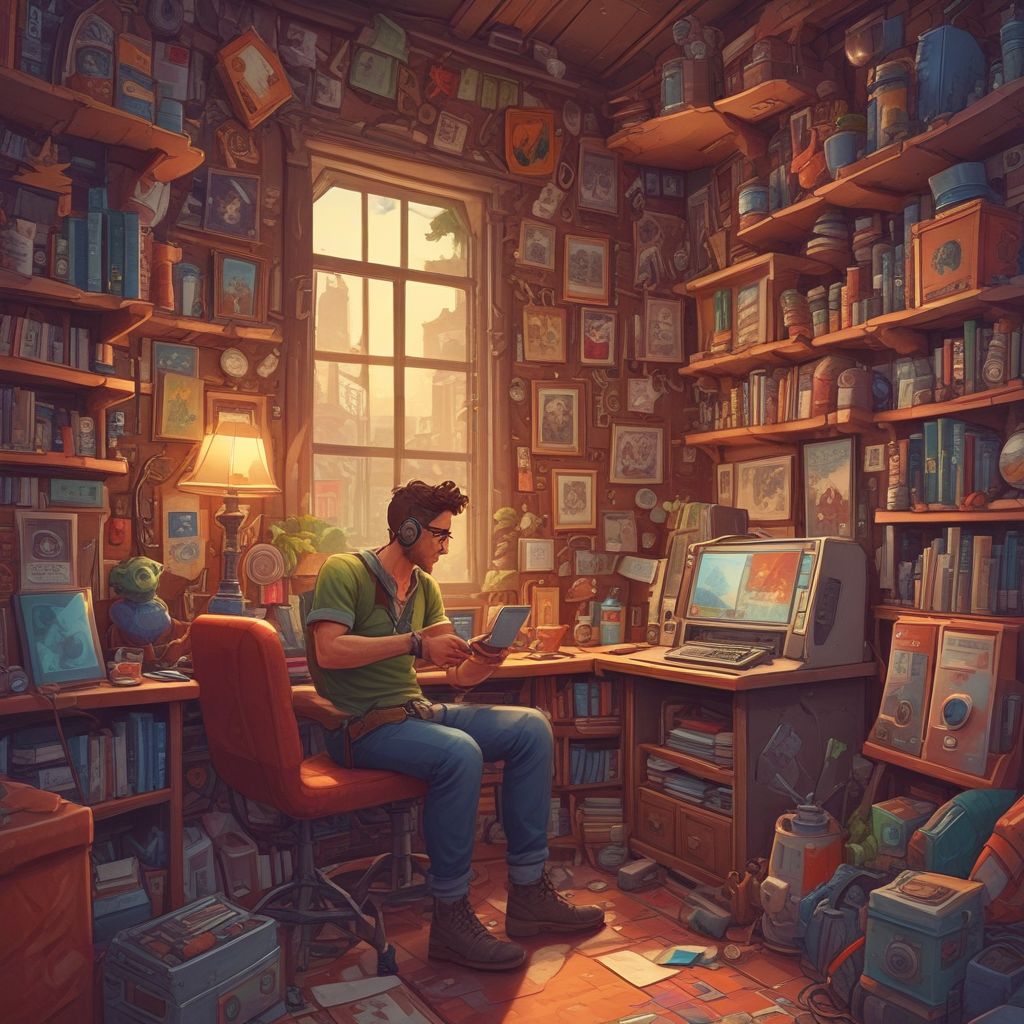
The phenomenon of mods become canon is no longer a niche curiosity — it’s an active creative strategy for many indie developers who treat community-built story modules as both inspiration and legitimate extensions of their worlds. As development teams grow smaller and player creativity grows louder, folding mods into the official narrative has become a way to scale content, deepen player buy-in, and create emergent storytelling that studios alone rarely achieve.
From Add-Ons to Authoring Partners: Why this shift matters
Historically, mods were unofficial, loosely connected expressions of player creativity. But when an indie studio acknowledges a community module as canonical, it signals a change in what “authorship” means for games:
- Creative expansion: Community modules often experiment with tone, themes, and characters the original team never had bandwidth for.
- Cost-effective content: High-quality mods can be integrated faster and cheaper than building fresh DLC from scratch.
- Player investment: Canonizing a mod rewards community effort and strengthens long-term retention.
- Design diversity: A patchwork narrative allows multiple voices and playstyles to coexist inside one franchise.
Design and technical shifts that enable canonical mods
Indie teams that welcome community modules typically make intentional design choices up-front to make integration feasible:
Mod-friendly architecture
Modularity becomes a first-class design constraint: data-driven dialogue systems, event hooks, and clearly versioned APIs make it possible to swap in external story modules without breaking the base game.
Tooling and documentation
Providing modding tools, sample assets, and style guides reduces friction for creators and helps maintain a consistent tone when mods are moved into canonical status.
Validation and compatibility layers
Automated testing, compatibility layers, and curated sandboxes let studios QA submitted modules before signing them into the official build.
Legal, social, and ethical considerations
Turning player work into canon raises thorny questions. Clear policies and agreements are essential to avoid disputes and protect both creators and studios:
- Licensing: Decide whether mods are contributed under permissive licenses, one-off payments, revenue shares, or full buyouts.
- Attribution: Public recognition — in-game credits, feature spotlights, or revenue splits — sustains goodwill.
- Content standards: Agree on boundaries for tone, representation, and safety; canonical status implies endorsement.
- Moral ownership: Decide whether a canonical mod’s author retains creative control over future uses of their work.
The cultural upside: co-creation as community building
When studios treat mods as potential canon, they change the social contract with players. That shift can produce a virtuous cycle:
- Motivation: Creators are more likely to invest time when their work can be officially recognized.
- Diversity of perspectives: Fresh voices enrich the lore and help games resonate with broader audiences.
- Living stories: The narrative becomes a platform rather than a static artifact — a stitched quilt of player experiences.
How studios can fold mods into official narratives — a practical blueprint
Smaller teams should aim for a lightweight, transparent process that balances quality control with creative freedom. A suggested approach:
- Publish clear modding guidelines — scope, technical constraints, style, and content flags.
- Run seasonal showcases — invite submissions, highlight promising modules, and gather community feedback.
- Curate and iterate — work with the mod author on polish, localization, and bug fixes before acceptance.
- Negotiate terms early — set licensing, attribution, and revenue arrangements in writing.
- Ship as layered content — release canonical mods as optional expansions, allowing players to opt in while preserving continuity for others.
Roles and responsibilities
- Community Manager: Facilitates communication, curates submissions, and manages expectations.
- Design Liaison: Works with the mod author to ensure narrative fit and balance.
- Engineer: Integrates the module, validates compatibility, and adds necessary hooks.
- Legal Advisor: Prepares contributor agreements and licensing terms.
Case study: The “Patchwork Player” model (a hypothetical blueprint)
Imagine an indie studio that releases a lightweight narrative engine plus a public modding toolkit. Every quarter they host a “Patchwork Jam” where creators submit story modules limited to defined archetypes and asset budgets. A selection committee composed of devs and veteran modders curates three finalists; the studio co-develops the winners and releases them as “Official Episodes” with revenue sharing and shared credits. The result is a growing official canon assembled from community voices — each module labeled with provenance and optional flags so players can choose the experience they want.
Risks and mitigation
Making mods canonical isn’t without pitfalls. Common risks and simple mitigations include:
- Quality drift: Mitigate with clear technical checks and editorial oversight.
- Brand dilution: Limit what can carry the studio’s primary lore by using optional tags like “noncanonical” or “branch timeline.”
- Creator disputes: Use standardized, fair contributor agreements and transparent honorarium policies.
Why this is reshaping indie design
The practice of integrating community-built modules into official narratives shifts indie design from closed authorship to curated co-creation. It encourages modular storytelling, reduces barriers for experimentation, and lets small teams benefit from a diverse talent pool. More importantly, it transforms players from consumers into collaborators — and that social change is quietly remapping what an indie game can be.
Conclusion: Accepting that mods become canon reframes a studio’s relationship with its community, unlocking creative scale, deeper engagement, and a more pluralistic narrative future. For indie teams willing to design for collaboration, the result is a richer, more resilient storytelling ecosystem.
Ready to take your game from solo vision to shared mythology? Invite your players into the author’s chair and watch the story grow.