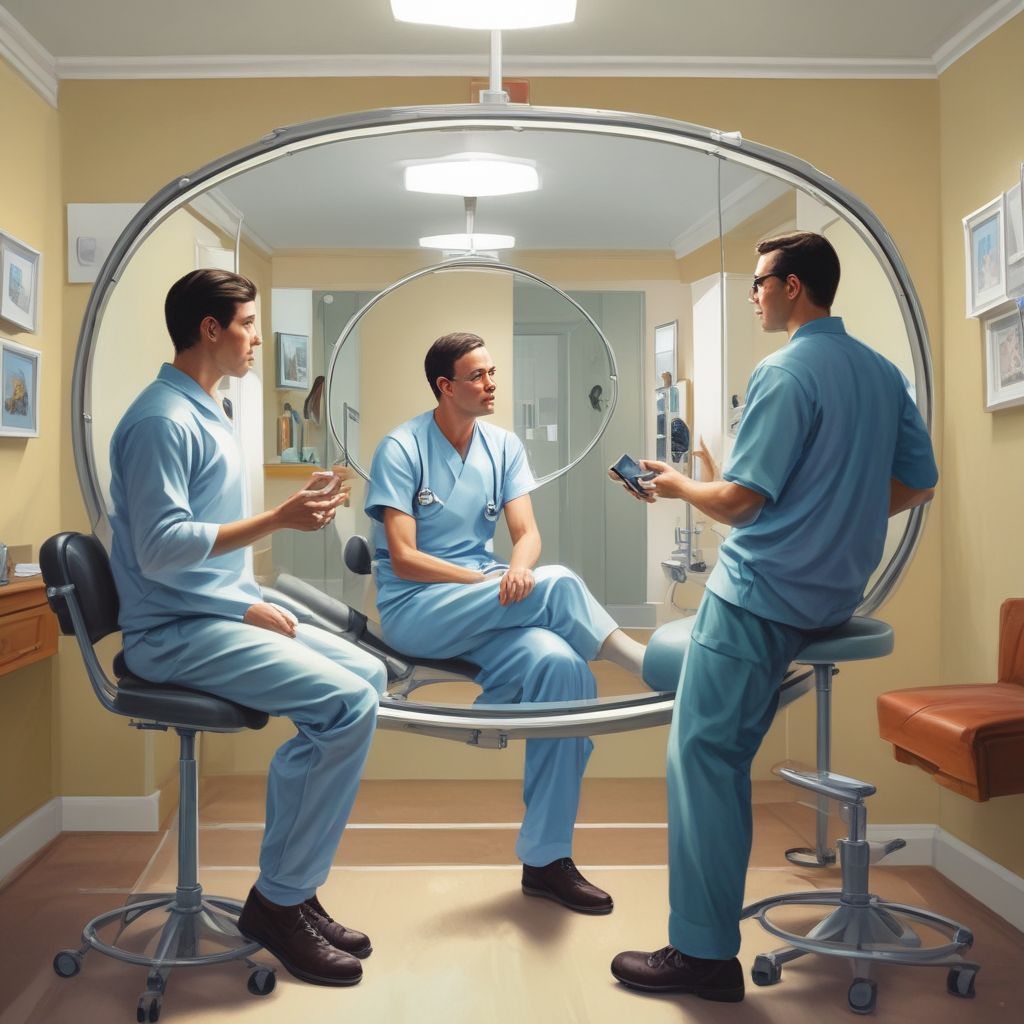
Mirrored Care combines smart‑home mirrors and passive sensors to create a low‑friction feedback loop of visual cues, personalized coaching, and clinician alerts—an approach that improves postoperative patient engagement and can help reduce readmissions. By delivering contextually relevant prompts at the point of daily routines and pairing them with non‑intrusive monitoring, Mirrored Care keeps recovery on track without overwhelming patients or caregivers.
Why Mirrored Care Matters after Surgery
Postoperative recovery is a period of heightened risk: medication errors, missed follow‑up care, poor mobility, and unrecognized complications all contribute to avoidable readmissions. Traditional solutions—phone calls, scheduled check‑ins, and mobile apps—often require active effort from patients who are still vulnerable. Mirrored Care flips the script by integrating reminders and coaching into natural daily behaviors, such as morning hygiene or dressing, making adherence easier and detection of problems faster.
Core components of a Mirrored Care system
- Smart‑home mirrors: Mirrors with embedded displays and speakers that can show tailored visual prompts, progress metrics, short instructional videos, and motivational messages while patients perform daily routines.
- Passive sensors: Contact sensors, motion detectors, bed/chair occupancy sensors, and Bluetooth‑enabled medication cabinets that detect activity patterns without requiring patient input.
- Local processing & personalization: On‑device or edge processing to translate sensor events into personalized reminders and coaching cues shown on the mirror.
- Clinician alerts and dashboards: Aggregated, privacy‑preserving reports and alerts for care teams when deviations or risk patterns emerge.
How the Low‑Friction Feedback Loop Works
The strength of Mirrored Care is its simplicity: gently intercept a patient during habitual moments with a meaningful nudge, then escalate only when needed.
1. Detect
Passive sensors notice key events—e.g., the patient gets out of bed earlier than expected, doesn’t open the medication cabinet by noon, or spends less time standing for mobility exercises.
2. Cue
When a relevant pattern is detected, the smart mirror displays a short, friendly visual cue: “Good morning, Lydia—time for your wound dressing check.” The cue can be timed to appear when the patient is already at the mirror, minimizing interruption.
3. Coach
If the patient taps the screen or otherwise acknowledges the cue, the mirror can play a 30–60 second coaching clip—how to change a dressing, red flags to watch for, or a guided breathing exercise to manage pain and anxiety.
4. Escalate
If cues are ignored or sensors flag risk patterns (e.g., decreased mobility over 48 hours, missed medication for 24 hours, or signs of potential infection), the system sends prioritized alerts to the clinician dashboard or care navigator for rapid outreach.
Clinical and Behavioral Benefits
- Higher adherence: Visual cues at the moment of routine reduce friction compared with app notifications that arrive out of context.
- Early detection: Passive sensors reveal gradual changes (activity, sleep, medication access) that often precede clinical deterioration.
- Personalized coaching: Short, repeatable micro‑learning sessions can reinforce technique and self‑care without clinician time for every encounter.
- Reduced clinician burden: Escalation rules and aggregated dashboards let clinicians focus on patients who need attention rather than routine check‑ins for everyone.
- Patient empowerment: Real‑time feedback with clear next steps helps patients feel more confident in self‑care, which supports recovery and reduces anxiety-related complications.
Design Considerations for Successful Deployment
Privacy and consent
Use minimal data capture, retain sensor data locally when possible, and get explicit consent for transmissions to clinicians. Mirrors should avoid cameras for sensitive contexts unless patients opt in and understand how footage is used.
Usability for vulnerable patients
Large fonts, simple language, and multimodal cues (voice + visuals) increase accessibility for older adults or those with limited digital literacy. Avoid complex menus—prioritize one‑touch actions like “Acknowledge” or “Call Nurse.”
Clinical integration
Design escalation thresholds in partnership with clinicians and incorporate the system into existing workflows and EMR notifications. Pilot with clear fallback plans so caregivers know when to call and how alerts are prioritized.
Personalization and behavior change
Use patient preferences and baseline activity patterns to tailor reminders—frequency, tone, and timing. Apply small goals and celebrate micro wins (e.g., “3 days of mobility exercises completed”) to maintain motivation.
Measuring Impact: Key Metrics
- Readmission rate within 30 days (primary outcome)
- Medication adherence (percent of scheduled doses accessed)
- Engagement with coaching content (views per patient per week)
- Time to clinician outreach after an alert
- Patient‑reported confidence and pain scores
- Clinician time saved on routine follow‑ups
Combining quantitative metrics with qualitative feedback from patients and care teams helps tune the cueing logic and escalation sensitivity to maximize benefit while minimizing false positives.
Pilot Implementation Checklist
- Select a low‑risk surgical cohort (e.g., orthopedic outpatient procedures) for initial pilots.
- Install mirrors in 20–50 patient homes, paired with basic motion and medication cabinet sensors.
- Set conservative escalation thresholds and route alerts to a single care navigator during the pilot period.
- Collect baseline readmission and engagement rates for comparison, and run a 6–8 week pilot.
- Iterate on messaging tone, coaching clip length, and escalation rules based on pilot data.
Real‑World Examples and Use Cases
Imagine a patient recovering from total knee arthroplasty: the mirror displays a short morning mobility checklist and videos demonstrating safe exercises; occupancy sensors detect more time seated than expected and trigger an extra nudge; a missed pain medication prompts a clinician outreach that reveals dosing confusion—preventing a complication and an ED visit.
Risks and Mitigations
- Alert fatigue: Mitigate with tiered priority rules and aggregated daily summaries.
- Over‑reliance on sensors: Combine passive data with patient‑reported check‑ins to validate anomalies.
- Equity: Provide loaner hardware and technical support to patients with limited resources to avoid widening disparities.
With thoughtful design, Mirrored Care can be a gentle, human‑centered addition to postoperative care—amplifying clinician reach while preserving patient dignity and independence.
Conclusion: Mirrored Care harnesses everyday touchpoints—smart mirrors and passive sensors—to create a low‑friction, personalized recovery experience that supports self‑care, surfaces risks early, and directs clinical attention where it matters most, helping reduce readmissions and improve outcomes.
Ready to pilot Mirrored Care in your program? Contact a digital health partner to design a tailored trial and start capturing early wins.