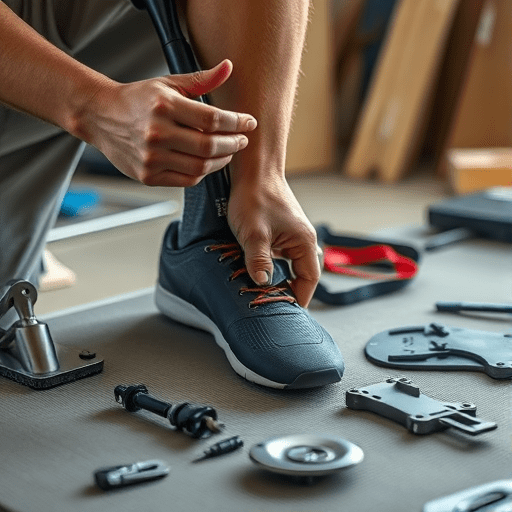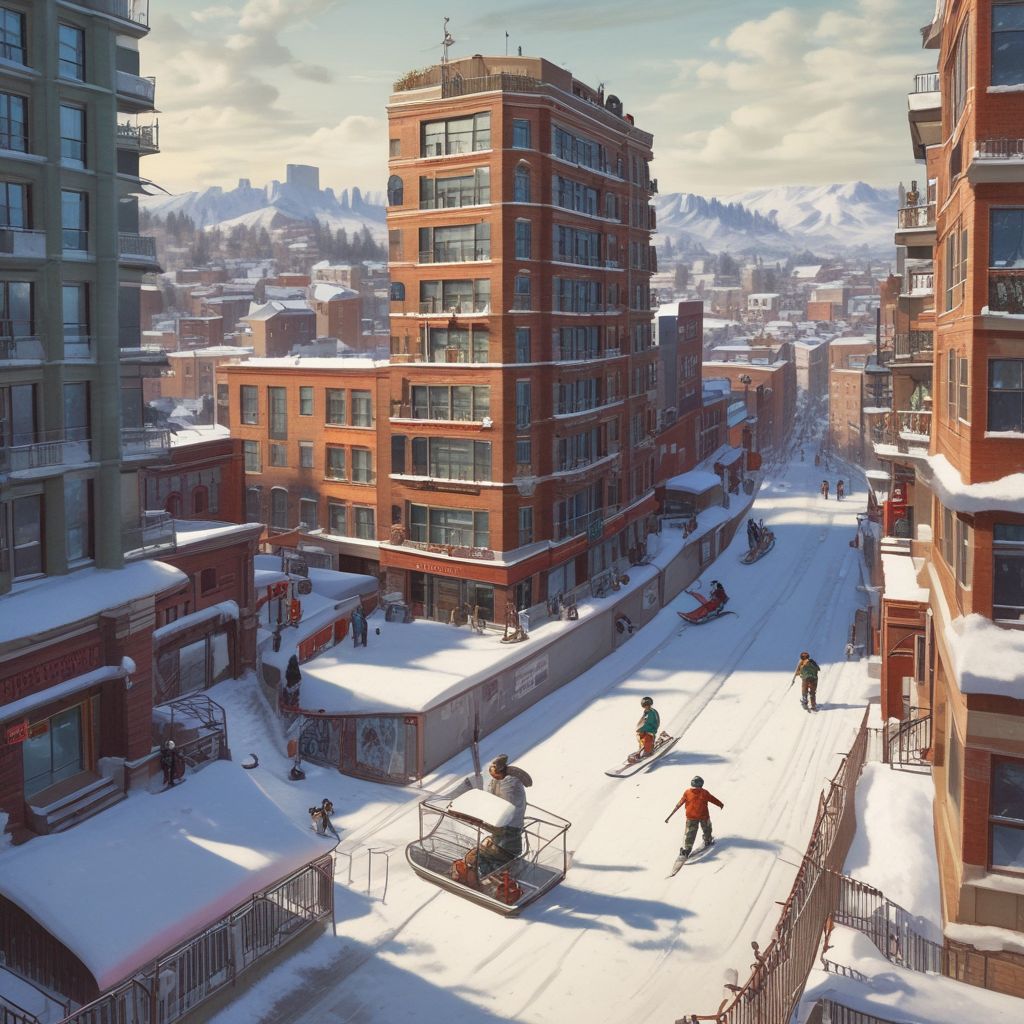
Urban mini ski parks are reimagining how people experience winter sports by turning underused rooftops and compact urban lots into accessible slopes for skiers and snowboarders. These compact, often modular rooftop slopes pack design innovation, safety tradeoffs, and strong community impact into a small footprint—creating new pathways for city dwellers to connect with snow sport culture without leaving the urban core.
Why Rooftop Slopes? The Opportunity in the City
As cities densify and outdoor recreation becomes a key driver of urban lifestyle, rooftop slopes answer a growing demand for nearby, convenient winter activity. They provide:
- Proximity: Sessions reachable by public transit or bike, reducing travel time compared with mountain resorts.
- Accessibility: Shorter lessons and rental programs can introduce beginners to skiing and snowboarding in a low-barrier setting.
- Year‑round use potential: Synthetic surfaces and seasonal coverings extend usability beyond snowy months.
Design Innovations That Make Rooftop Slopes Work
Designers and engineers have pushed creative solutions to fit slopes into constrained urban environments while maintaining a fun, learnable experience.
Modular slope systems
Prefabricated modules let operators assemble slopes quickly and tailor gradient and length to site constraints. Modules reduce on-site construction time and make it easier to relocate or expand a slope.
Advanced surfaces and snow substitutes
High-grip synthetic mats, snowmaking systems with efficient compressors, and chilled blankets enable reliable sliding surfaces. Some facilities combine synthetic turf with micro-snow for hybrid feel and weather resilience.
Lightweight structural engineering
Rooftop loads are a structural challenge. Engineers use lightweight substructures—aluminum framing, tensioned membrane canopies, and engineered fill—to minimize weight while preserving safety and slope geometry.
Integrated amenities
Compact lift systems (conveyor belts, rope tows), warm-up lounges, gear hire kiosks, and viewing decks optimize limited square footage and make the slope a social destination as well as a sporting venue.
Safety Tradeoffs and How They’re Managed
Rooftop slopes must balance thrill and safety in a contained setting. Awareness of tradeoffs drives design and operational protocols.
Tradeoff: Shorter runs vs. speed control
Short slopes limit run length and maximum speed, which reduces high-velocity crash risk but increases the frequency of stops and tight turns—factors that can cause collisions. Operators manage this with clear traffic rules, staggered entry, and speed-limiting surface textures.
Tradeoff: Height and edge protection
Being on elevated structures adds consequences to edge incidents. Robust barriers, energy-absorbing fence systems, and generous run‑off zones are standard mitigations. Regulatory adherence and third-party structural certification are essential.
Tradeoff: Weather and surface variability
Urban microclimates can produce wind and temperature swings that affect surface consistency. Active monitoring, rapid surface maintenance, and flexible scheduling (including temporary closures) reduce hazard exposure.
How Rooftop Slopes Are Reshaping Local Winter Communities
Beyond design, the cultural impact of rooftop slopes is significant. They foster a new kind of local winter community that is more diverse, social, and experimental than traditional alpine scenes.
- Entry-level growth: Short, affordable lessons and rental packages recruit families, teens, and adults who might never travel to a mountain resort.
- Cross-training hubs: Urban slopes serve athletes training for freestyle, park riding, and rail technique in controlled environments.
- Event and culture spaces: Rooftop slopes host night sessions, film screenings, art installations, and competitions that mix sport and urban culture.
- Economic ecosystems: Nearby cafés, gear shops, and instructors create micro-economies around the slope, supporting local jobs.
Case Studies: Small Footprint, Big Impact
Several cities have piloted rooftop and urban mini parks with measurable outcomes:
- Temporary winter parks on repurposed parking structures that brought hundreds of first-time riders to lessons over a single month.
- Modular slope installations on mixed-use developments that increased evening foot traffic and retail revenue in adjacent businesses.
- Community-focused slopes that partnered with local schools to run after‑school programs and adaptive-sports sessions.
Operational Best Practices for Safe, Successful Rooftop Slopes
Operators and city planners should consider a checklist of best practices to maximize benefit and minimize risk:
- Rigorous structural assessment and regular inspections with load‑monitoring sensors.
- Certified barrier systems and energy-absorbing run-off zones along all edges.
- Staffed sessions with trained instructors, spotters, and first‑aid personnel on site.
- Clear signage, lane-control protocols, and staggered start systems to reduce collisions.
- Community outreach and sliding-scale pricing to ensure inclusivity.
Designing for Equity and Long-Term Community Value
To avoid becoming a novelty for a narrow audience, rooftop slope projects should embed equity goals early: partner with local NGOs, create subsidized lesson slots, and program inclusive events. Longevity also depends on adaptable design—modular systems that can evolve into summer uses (skate, pump tracks, event stages) keep the infrastructure active year-round.
Rooftop slopes are not a replacement for mountain resorts, but they are powerful complements—bringing the social, economic, and cultural benefits of ski and snowboard life into dense urban neighborhoods.
Conclusion: Urban mini ski parks are a creative convergence of architecture, engineering, and community programming that open winter sports to new audiences; by thoughtfully managing safety tradeoffs and prioritizing inclusive design, rooftop slopes can become vibrant civic assets.
Ready to explore bringing a rooftop slope to your city? Contact a local urban recreation planner or slope modular provider to start a feasibility conversation today.