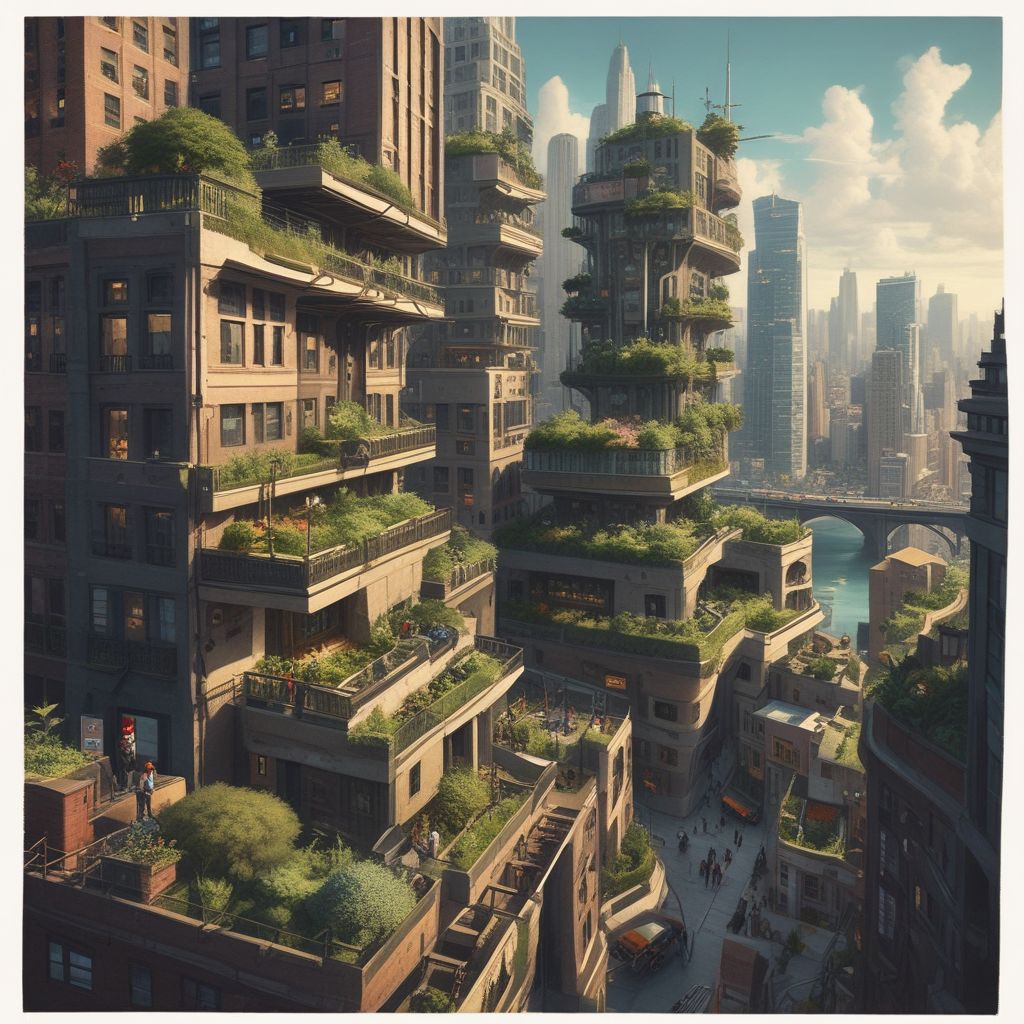
The Vertical City is a way of seeing urban life not as a flat map but as a stacked experience: rooftop gardens, skybridges, mezzanine markets, subway platforms, and hidden cellars all make a city three-dimensional. Whether you’re a local looking for a new route home or a traveler chasing secret views, this guide maps practical routes, safety tips, and memorable stops so you can explore a metropolis vertically and confidently.
Why Explore Vertically?
Cities accumulate history and culture at different elevations. Rooftop gardens reclaim air and sunlight; skybridges stitch neighborhoods across busy arterials; underground layers preserve old transit lines, speakeasies, and forgotten infrastructure. Exploring vertically reveals how people adapt urban layers to new uses and how the city tells its story from top to bottom.
Sky Gardens and Rooftop Escapes
Start your ascent with a morning or late-afternoon visit to a rooftop garden. These still-green pockets offer shade, skyline views, and calmer air—perfect for photography, reading, or a slow breakfast.
What to look for
- Native plantings that indicate intentional landscaping and lower maintenance.
- Community spaces: look for benches, notice boards, or small event posters.
- Weather protection and accessible hours—some roofs close early or require reservations.
Practical tips
- Bring a light layer—rooftops are windier and cooler than street level.
- Check access rules: hotels and private buildings may require a purchase or reservation.
- Respect plantings and stay on paths—many rooftop ecosystems are fragile.
Skybridges, Elevated Walkways, and the Mid-Levels
Skybridges and elevated walkways are both functional and cinematic: they move people above traffic, link towers, and create unexpected transit perspectives. Walk them slowly—every connector reveals different angles of the city’s architecture and daily life below.
Best practices for skybridge exploration
- Time your crossing for golden hour when glass facades and streets glow.
- Use the mid-levels for bar-hopping or café stops—many neighborhoods have layered retail across floors.
- Photograph reflections: the interplay of glass, sky, and street makes excellent urban abstract shots.
Mid-Level Culture: Mezzanines, Markets, and Secret Galleries
Between the skyline and the subsoil are mid-level spaces often overlooked: mezzanine markets, small galleries, and commuter concourses that host pop-up events. These are where the city’s everyday creative economy hums—craft stalls, quick-stage performances, and niche bookshops flourish in half-hidden places.
How to find them
- Follow local community calendars and neighborhood social feeds for pop-up listings.
- Enter large transit hubs—the mezzanine level frequently hosts rotating vendors and exhibitions.
- Ask a barista or shop owner—locals know the best in-between spaces.
Descending: Subterranean Bars, Cellars, and Tunnels
Once the sun sets, head down. Subterranean bars and cellar restaurants are where the city’s memory and nightlife often merge. Behind unmarked doors, under staircases, and beneath streets lie vaults converted into intimate drinking dens or experimental kitchens.
Etiquette and safety
- Respect capacity limits—cellars are small and often regulated.
- Keep your phone charged and map downloaded—underground signals can be spotty.
- If a space is unmarked or seems private, ask permission; many speakeasy-style venues require a reservation or password.
Seeking authentic subterranean experiences
Look for venues that highlight storytelling—menus inspired by local history, cocktails named after transit lines, or décor salvaged from the original building. These places often partner with local distillers, bakers, and artists, making a subterranean visit a cultural microcosm.
Forgotten Platforms and Abandoned Tunnels
Abandoned transit platforms, sealed station entrances, and maintenance tunnels are the city’s archaeological layers. Some cities offer sanctioned tours of disused stations; in others, preservation groups document and lobby for public access.
Access and ethics
- Only join official tours or documented events—unauthorized entry is unsafe and illegal.
- Support groups that preserve these spaces by donating, volunteering, or amplifying their work.
- When visiting, tread lightly: these sites are fragile and important to the city’s heritage.
A One-Day Vertical Itinerary
This sample route stitches the layers together into a single day of exploration.
- Morning: Sunrise at a rooftop garden for coffee and skyline photos.
- Late morning: Walk a skybridge toward the mid-level market for brunch.
- Afternoon: Visit a mezzanine gallery or library, then explore a transit hub’s pop-up stalls.
- Evening: Descend to a subterranean bar for dinner and a local cocktail.
- Night: Join an official tour of a historic platform or catch a late-night jazz set in a cellar venue.
Safety, Respect, and Responsible Urban Exploration
Vertical exploration carries unique risks—heights, confined underground spaces, and restricted access. Plan ahead: check opening hours, reserve when required, carry a portable battery, and wear comfortable shoes. Always respect private property and local regulations; the best explorers leave no trace and champion the spaces they visit so they remain accessible for everyone.
Resources to Plan Your Trip
- Local tourism boards and museum websites for sanctioned tours and rooftop listings.
- Community Facebook groups, Meetup pages, and local zines for pop-up events and hidden spots.
- Transit authority archives for history on closed stations and heritage lines.
Exploring a Vertical City turns ordinary travel into a layered adventure—each elevation reveals new stories, textures, and communities. Start with one rooftop and one cellar, and let the city’s vertical logic guide the rest of your discoveries.
Ready to explore upward and downward? Pick a neighborhood, map the layers, and step into the Vertical City today.