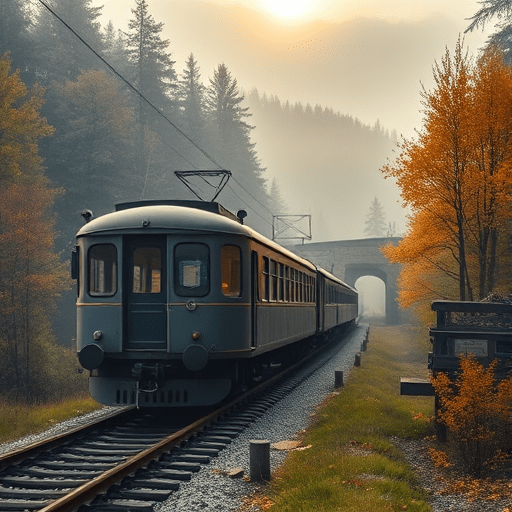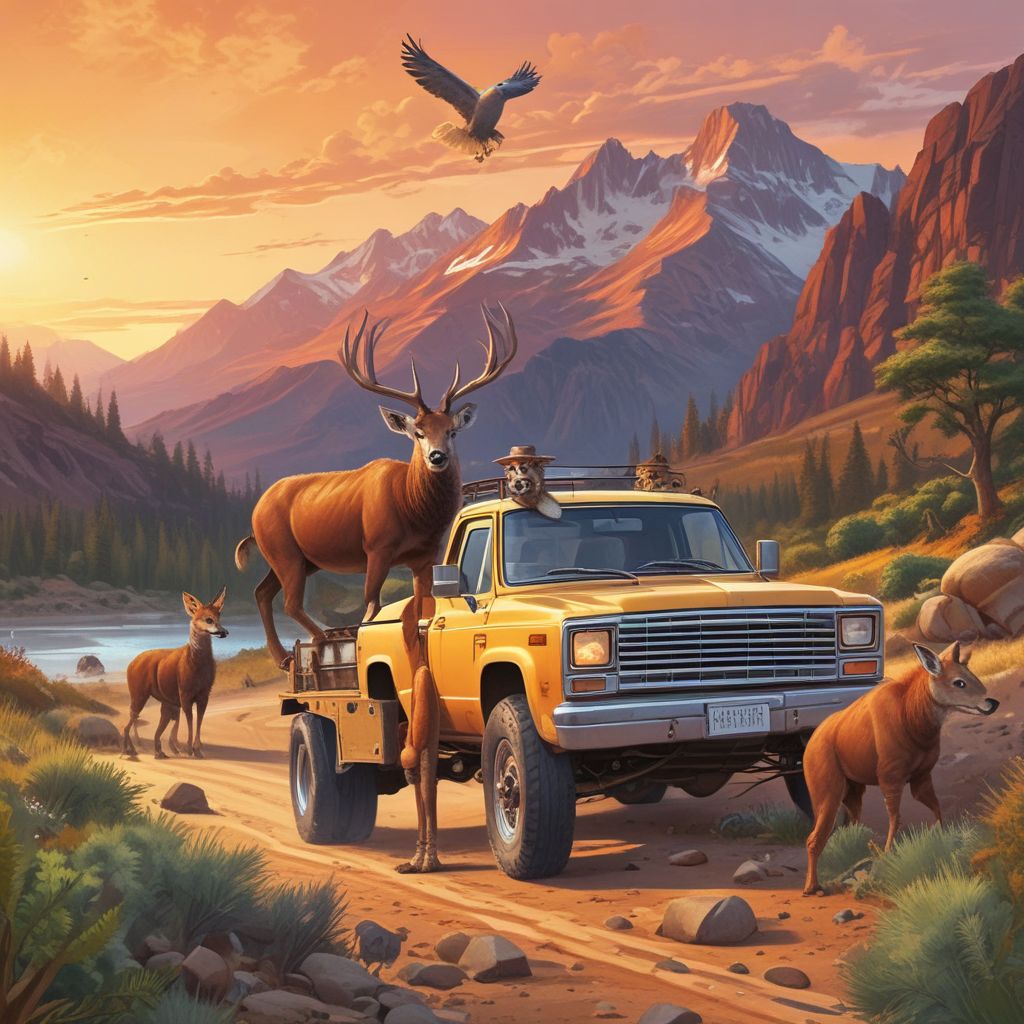
Rewilding Roadtrips are the new way to explore nature—following restored wildlife corridors where species are returning, meeting local conservation guides, and contributing to real citizen-science efforts along the way. These journeys blend classic road-trip freedom with purposeful travel: you’ll drive restored routes, learn how landscapes reconnect, and watch ecosystems come back to life. Whether you’re tracking elk moving through new linkages or logging bird observations for science, a rewilding roadtrip turns sightseeing into stewardship.
Why travel a rewilding roadtrip?
Traditional wildlife tourism often centers on static parks and predictable sightings. Rewilding roadtrips, by contrast, focus on dynamic places where habitats are being reconnected—corridors that allow animals, plants, and ecological processes to migrate, disperse, and recover. These trips offer:
- Close-up insight into conservation in action, from habitat restoration to species reintroductions.
- Opportunities to meet conservation guides, scientists, and local communities rebuilding landscapes.
- Hands-on citizen-science participation, such as contributing sightings to iNaturalist or eBird.
Top corridors to drive and why they matter
Yellowstone to Yukon (Y2Y), North America
This vast conservation vision links national parks, provincial parks, and private lands from Yellowstone through the Canadian Rockies to the Yukon. Driving segments of Y2Y offers chances to see migrating ungulates, bears expanding their habitats, and restored riparian areas that reconnect river systems.
European Green Belt
Following the former Iron Curtain, the European Green Belt stretches from the Barents Sea to the Adriatic, passing through rewilded forests, wetlands, and mountain ranges. It’s a mosaic of national initiatives—ideal for short cross-border drives that reveal how abandoned or protected buffer zones become biodiversity havens.
Mesoamerican Biological Corridor
From southern Mexico through Central America to Panama, restored corridors reconnect rainforests and cloud forests. Roadtrip segments here showcase jaguar movement, reforested foothills, and community-led agroforestry that supports both people and wildlife.
Iberian corridor projects (Spain & Portugal)
Rewilding initiatives in Iberia have focused on connecting core habitats for species like the Iberian lynx and vultures. Coastal drives and inland tracks reveal how olive groves, dehesa, and scrublands are being managed to allow carnivores and scavengers to return.
Meet the guides: local experts who make the trip meaningful
Conservation guides are central to a meaningful rewilding roadtrip. They interpret restoration work, introduce local science projects, and open doors to private lands and community projects you couldn’t access alone. Look for:
- Guides affiliated with NGOs or park services who lead safe, low-impact visits.
- Local naturalists who can teach tracking, bioacoustic monitoring, or camera-trap basics.
- Community leaders who explain how livelihoods and conservation are being balanced.
How to join citizen science on the road
Contributing to datasets while traveling is easy and powerful. Start with these steps:
- Download iNaturalist and eBird before you leave; these apps let you log plant, insect, and bird observations with photos and GPS.
- Ask your guide about local projects—many corridor initiatives have structured volunteer windows for data collection or habitat work.
- Respect protocols: only collect data the project requests (e.g., audio recordings, photo IDs, or simple presence/absence sheets).
Planning tips for a responsible rewilding roadtrip
Responsible travel ensures corridors keep functioning. Practical tips include:
- Season and timing: travel in shoulder seasons for high wildlife activity and fewer tourists; avoid breeding seasons for sensitive species.
- Permits and permissions: confirm access for private lands and protected areas—some corridor projects require permits or guided visits only.
- Low-impact practices: stay on roads and designated trails, keep noise low, never feed wildlife, and follow all hygiene protocols to prevent disease spread.
What to pack and tech to bring
Pack for both comfort and contribution. Essentials include:
- Binoculars, a field guide (or app), and a small spotting scope if you have one.
- A smartphone with extra battery packs for app-based citizen science and GPS logging.
- Weatherproof layers, sturdy boots, and a reusable water bottle; many corridor sites are remote.
Sample 7–10 day itinerary ideas
Rocky Mountain reconnect (Y2Y sampler)
- Days 1–3: Explore valley restoration projects and river-side replanting near a national park.
- Days 4–6: Meet a conservation guide to check camera traps and log large-mammal sightings.
- Days 7–10: Volunteer for a day’s riparian restoration, and submit findings to regional biodiversity platforms.
European Green Belt weekend circuit
- Day 1: Drive a scenic cross-border corridor, visiting rewilded forest patches.
- Day 2: Join a guided bird survey and add observations to eBird; end with a local conservation talk.
Ethics and giving back
True rewilding roadtrips leave places better than they were found. Support local conservation financially or with time, buy from community-run businesses, and share data with scientists. Small actions—recycling, following biosecurity measures, reporting roadkill to local projects—help corridors thrive.
Final thoughts
Rewilding Roadtrips offer more than scenic drives; they’re hands-on invitations to witness recovery and play an active role in it. By choosing guided, low-impact visits and contributing to citizen science, travelers help ensure that corridors stay open and species keep returning.
Ready to plan your own rewilding roadtrip? Pick a corridor, download iNaturalist or eBird, and book time with a local conservation guide to turn a holiday into a legacy.