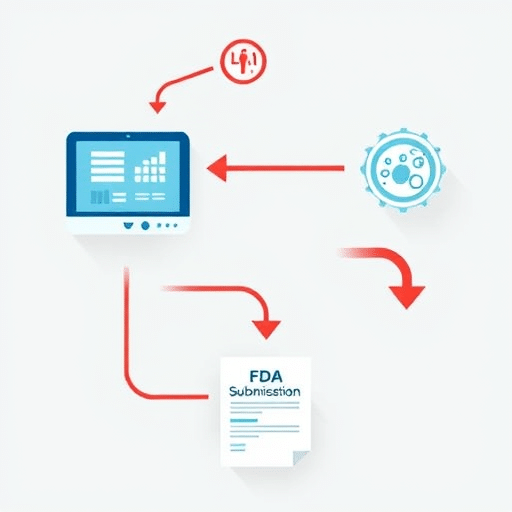
The rise of closed-loop digital therapeutics—treatments that use wearables, digital phenotyping and AI to sense patient state and self-adjust interventions in real time—is transforming chronic care delivery, remote monitoring, and behavioral medicine. Closed-loop digital therapeutics promise more personalized, timely, and efficient therapy, but require rigorous clinical evidence, robust regulatory strategies, and clear value propositions for payers and clinicians.
What is a closed-loop digital therapeutic?
A closed-loop digital therapeutic (DTx) is a software-driven intervention that continuously or intermittently collects biometric, behavioral, and contextual data from sensors (wearables, phones, home IoT), interprets that data using digital phenotyping and AI models, and then adapts treatment—delivering prompts, stimulation, medication reminders, or clinician alerts—without manual tuning. Unlike static apps, closed-loop DTx adjust therapy in near real time to changes in physiology, behavior, or environment.
Core components: wearables, digital phenotyping, and AI
Wearables and sensors
- Physiological sensors: heart rate variability, continuous glucose monitors, actigraphy, accelerometers, and wearable EEG or EMG provide objective signals tied to disease states (e.g., arrhythmias, tremor intensity).
- Environmental and contextual sensors: GPS, ambient sound, and proximity can inform triggers and context-aware interventions.
Digital phenotyping
Digital phenotyping converts passive and active digital signals—typing speed, phone usage patterns, speech, sleep patterns—into markers of mood, cognition, or adherence. Combining multiple phenotypes creates a richer, temporally granular profile of patient state that drives the closed-loop decision logic.
AI and decision engines
AI models analyze multivariate sensor streams to detect clinically meaningful states and predict near-term events (e.g., seizure likelihood, depressive episode onset). Decision engines embed treatment rules or learned policies to select and time interventions while managing safety constraints and physician oversight.
Clinical evidence: what regulators and clinicians require
Regulators and health systems expect evidence that closed-loop DTx are safe, effective, and reliable across real-world settings. The evidence pathway typically includes:
- Analytical validation — demonstrating sensors and algorithms measure and infer intended signals accurately (e.g., sensitivity/specificity, calibration).
- Clinical validation — randomized controlled trials (RCTs) or robust comparative studies showing improved clinical outcomes, patient-reported outcomes, or reduced utilization versus standard care.
- Real-world performance — deployment studies, registry data, and post-market surveillance addressing algorithm drift, population generalizability, and long-term adherence.
- Human factors studies — usability testing, failure mode analysis, and demonstration of safe clinician oversight and escalation pathways.
Trial design considerations
- Adaptive and platform trials to account for iterative algorithm updates.
- N-of-1 and crossover designs for highly individualized interventions.
- Hybrid trials combining RCT rigor with pragmatic, real-world endpoints tied to payer value (e.g., hospitalization reductions).
Regulatory pathways and algorithm change management
In many jurisdictions closed-loop DTx fall under software-as-a-medical-device (SaMD) frameworks. Regulators like the FDA and EU authorities focus on risk categorization, transparency of algorithm logic, and change management for learning systems.
- Pre-market: developers must show safety/efficacy for the intended use and risk mitigation (clinical data, cybersecurity, accuracy).
- Algorithm updates: expect requirements for predefined update protocols, monitoring plans, and possibly pre-specified performance guards if models adapt post-market.
- Labeling and explainability: clear guidance for clinicians and patients on system limitations, expected behaviors, and fallback modes.
Implications for payers and health systems
Payers evaluate closed-loop DTx on clinical benefit, cost-effectiveness, and implementation feasibility. Key payer considerations include:
- Outcomes-based reimbursement models where payment is tied to improved clinical endpoints or utilization savings.
- Evidence generation partnerships—managed pilots or coverage with evidence development for new technologies.
- Health economic modeling that accounts for device costs, monitoring infrastructure, and workforce impacts.
What clinicians need to know
Clinicians will be central to adoption: interpreting alerts, supervising escalations, and integrating DTx into care plans. Clinically practical considerations are:
- Workflow integration — seamless EHR interoperability and alert triage to avoid clinician overload.
- Trust and interpretability — transparent decision logs and confidence scores to support clinical judgment.
- Liability and scope — clear roles for AI-driven adjustments versus clinician-prescribed changes, and protocols for override and human review.
Implementation challenges and best practices
Successful deployment requires attention to privacy, security, equity, and sustainability:
- Data governance: consent models, de-identification, and governance for secondary use of sensor data.
- Cybersecurity: secure data transmission, device hardening, and incident response plans.
- Bias mitigation: diverse training data, fairness audits, and continuous monitoring for performance gaps across populations.
- Model maintenance: telemetry for model drift, retraining strategies, and transparent update logs.
Early examples and promising use cases
- Movement disorders: wearable tremor sensors triggering adaptive neurostimulation or dosing adjustments.
- Mental health: phone-based phenotyping detecting mood deterioration and automatically adjusting cognitive-behavioral therapy prompts or clinician outreach.
- Diabetes: continuous glucose inputs routing insulin pump adjustments with safety checks and clinician alerts.
Looking ahead
Closed-loop digital therapeutics represent a paradigm shift: from episodic care to continuous, personalized therapy. Success depends on rigorous evidence that demonstrates meaningful outcomes, robust regulatory change management for adaptive algorithms, payer models that reward value, and clinician-friendly integrations that preserve human oversight.
Conclusion: As wearables, digital phenotyping and AI mature, closed-loop DTx can deliver safer, timelier, and more effective therapy—but only if stakeholders align on evidence, governance, and reimbursement frameworks. Ready to explore how closed-loop digital therapeutics could fit into your care model? Contact a digital therapeutics strategist to discuss pilot design and evidence pathways.