Understanding Haptic Training Suits
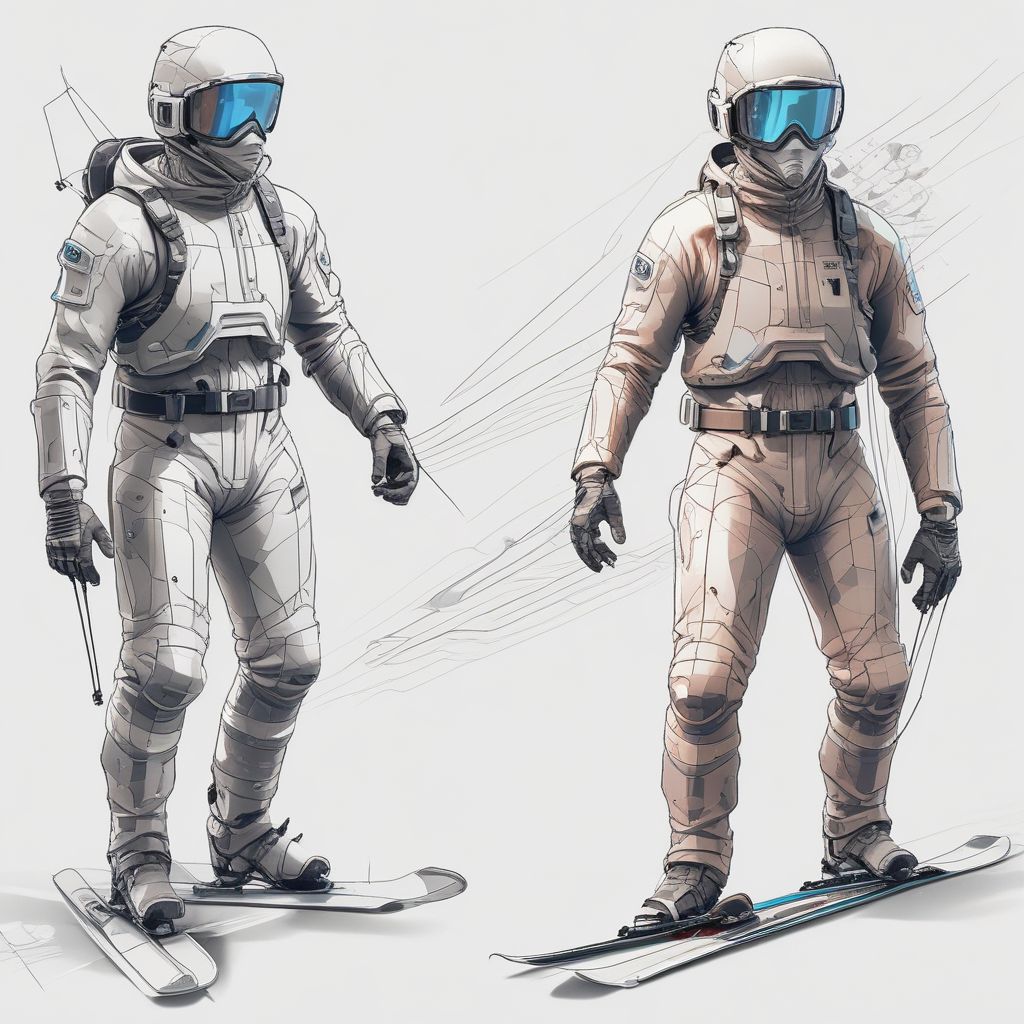
Haptic training suits are wearable technologies embedded with sensors and vibration motors. Unlike standard ski wear, these suits act as interactive coaches, detecting a skier’s posture, balance, and movement patterns. Through carefully timed vibrations, they communicate corrective feedback directly to the wearer’s muscles, helping refine technique without distracting visual or auditory cues.
The core idea is simple: guide skiers toward optimal positioning and timing through intuitive physical signals. For example, a vibration in the left shoulder might signal a need to weight that side more firmly during a turn, while a pulse in the lower back could indicate proper knee flexion for absorption.
Key Components of Haptic Suits
- Sensors: Motion trackers and pressure sensors monitor joint angles, weight distribution, and center of gravity.
- Processors: Onboard computers analyze sensor data and compare it to pre-programmed ideal movement patterns.
- Vibration Motors: Strategically placed motors deliver localized feedback through short, distinct pulses.
How Vibration Feedback Works
The magic of haptic suits lies in their ability to translate complex biomechanical data into simple, actionable signals. When a skier initiates a turn, sensors track edge angles, weight transfer, and body alignment. If the skier leans too far forward or fails to rotate their hips efficiently, the suit’s algorithms detect the deviation and trigger a response.
Real-Time Corrections
Consider a skier attempting a carve turn. If the upper body leans excessively toward the inside of the turn, a gentle vibration erupts in the opposite shoulder. This immediate signal prompts the skier to adjust their posture, restoring balance. The feedback loop happens in milliseconds, allowing continuous micro-adjustments throughout the descent.
Vibration patterns vary to convey different messages. A rapid pulse might indicate urgency—such as an uneven weight distribution during a jump—while a sustained buzz could signal the need to maintain a specific posture over several seconds. Skiers train to interpret these patterns, building an intuitive dialogue with their equipment.
Benefits for Skiers
Haptic suits offer advantages for skiers at every level, from beginners seeking fundamental improvements to experts chasing marginal gains.
Improved Technique
By highlighting subtle errors in real time, skiers can correct flaws during runs rather than waiting for post-session video analysis. This accelerates skill development and helps internalize proper mechanics. Beginners, in particular, benefit from immediate guidance that prevents bad habits from forming.
Enhanced Safety
Vibrations can alert skiers to dangerous posture before a fall occurs. For instance, a sudden loss of balance or incorrect weight distribution during a steep descent triggers warning vibrations, giving the skier time to recover. This proactive safety feature is especially valuable in off-trail or variable conditions.
Mental Focus
The tactile feedback keeps skiers mentally engaged, fostering greater awareness of body positioning and edge control. This heightened focus translates to better decision-making on the mountain, such as anticipating terrain changes or adjusting lines mid-turn.
Real-World Applications
Haptic suits are being adopted across diverse skiing communities, each leveraging the technology to suit their needs.
Professional Athletes
Elite skiers use these suits to fine-tune technique for competition. Race coaches program specific vibration patterns that correspond to optimal gate angles or jump timing. During training, athletes receive immediate feedback on deviations from target parameters, allowing for rapid refinement.
Coaches and Instructors
Instructors use haptic suits as teaching tools. By feeling the exact points where a student’s body deviates from ideal positioning, coaches gain unprecedented insight into individual technique. This enables personalized feedback during lessons, accelerating learning progress.
Recreational Skiers
For weekend warriors, haptic suits demystify complex movements. Vibrations help skiers understand proper weight distribution during turns or how to maintain balance across uneven terrain. The result is more confident, controlled descents—even in challenging conditions.
The Future of Haptic Ski Training
As sensor technology becomes smaller and more powerful, haptic suits will likely evolve in several key directions.
Personalized Profiles
Future suits may create individualized feedback profiles based on a skier’s body type, skill level, and learning pace. These adaptive systems could adjust vibration intensity and pattern complexity as skiers improve.
Integration with Other Tech
Pairing haptic suits with ski goggles featuring AR displays or wearables that monitor physiological data could create holistic training ecosystems. A skier might see a virtual line on their goggles while receiving simultaneous haptic cues to maintain perfect edge angles along that path.
Accessibility and Affordability
As production scales up, costs are expected to drop, making haptic training accessible to a broader audience. This democratization of high-performance feedback could raise overall skill levels across the sport.
Conclusion
Haptic training suits represent a paradigm shift in ski instruction and performance optimization. By translating intricate movement science into intuitive vibrations, they empower skiers to feel—and execute—perfect technique in real time. Whether you’re a seasoned racer, a passionate instructor, or simply seeking to ski with more confidence, this technology offers a tangible way to elevate your descents. As the technology matures, the slopes will continue to evolve, with every vibration bringing skiers closer to seamless, precise, and joyful riding.