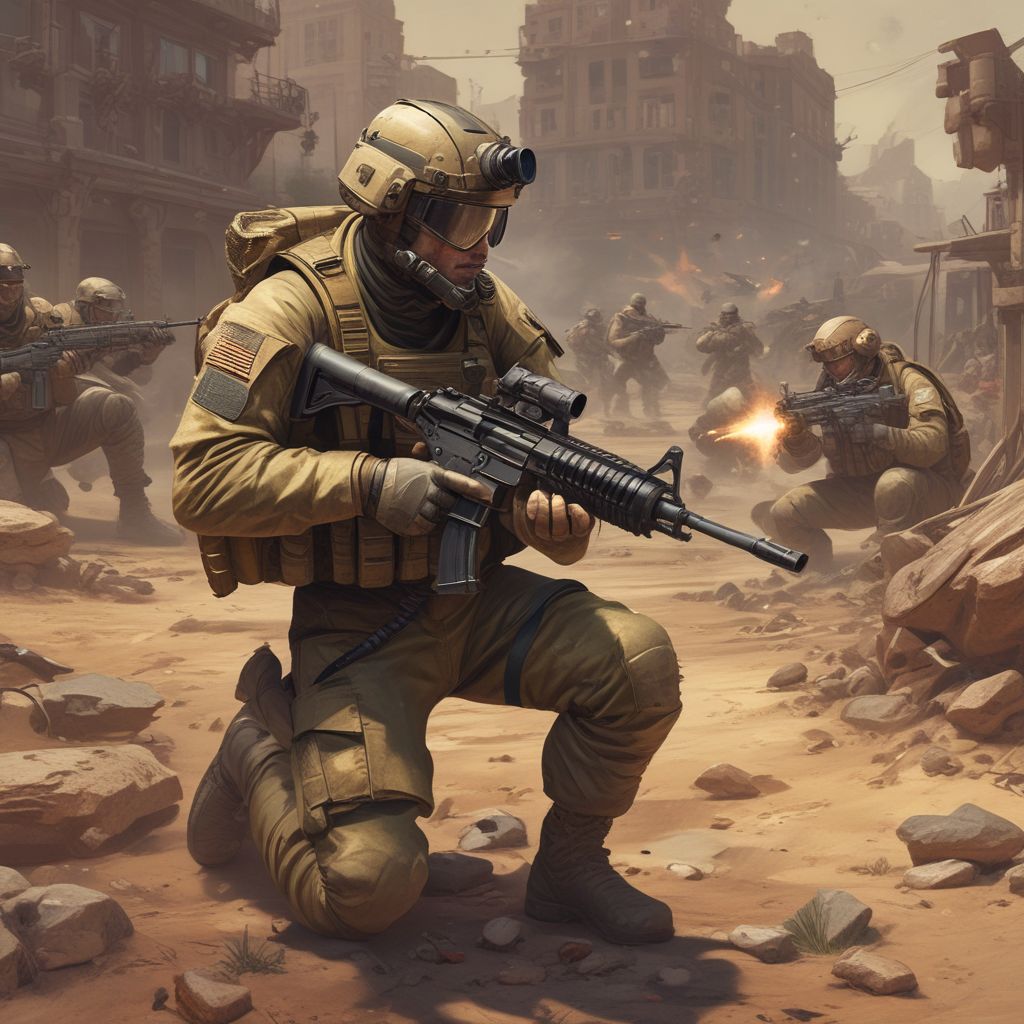
The rise of Persistent Warzones in modern multiplayer design reframes the way players experience short matches, blending the immediacy of FPS combat with the long-term stakes of MMO campaigns. In this article, “Persistent Warzones” and FPS-MMO hybrids are examined through the lenses of design, netcode, and player-driven systems — showing how hundreds of players can shape an evolving battlefield between sessions without losing the quick, satisfying loops of short matches.
Why persistence matters: from isolated rounds to living worlds
Traditional FPS matches reset objectives and player progress frequently, which keeps each round self-contained but limits narrative momentum. Persistent Warzones change that by preserving state between matches: territories, resource nodes, base upgrades, and player reputations persist and evolve. That persistence turns a string of short sessions into an arc where individual matches have meta-consequences, and small victories or losses ripple into larger strategic outcomes.
Player psychology and retention
- Meaningful progression: Short-match rewards feed into a larger system that feels consequential.
- Social investment: Persistent objectives encourage squad-level coordination and long-term alliances.
- Emergent storytelling: Player actions generate narratives that keep communities engaged and return players to see outcomes.
Core design pillars for Persistent Warzones
To make persistence compelling without compromising the pick-up-and-play nature of FPS matches, developers balance four core pillars:
- Session-level satisfaction: Each match must deliver clear, immediate feedback—kills, assists, objective rounds—that feels rewarding on its own.
- World-level consequence: Outcomes accumulate into meaningful world state changes, such as territorial control or resource scarcity.
- Fairness and accessibility: New or casual players can contribute and feel effective despite long-term player investments.
- Scalable social systems: Faction mechanics, guilds or squad progression that scale with player counts while remaining manageable.
Netcode and backend architecture: the invisible scaffolding
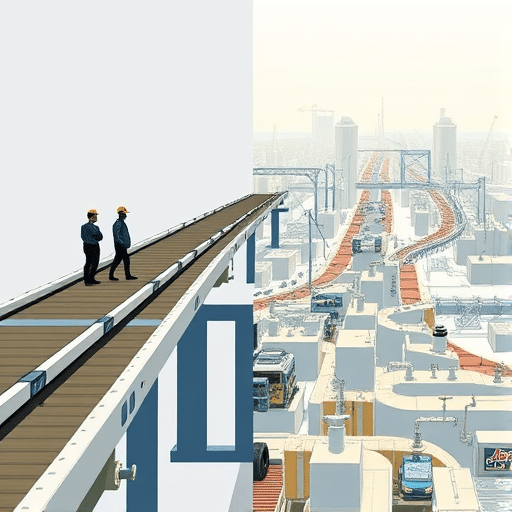
Delivering persistent, large-scale FPS experiences demands careful engineering choices. Netcode and server architecture must reconcile fast, twitch-based combat with slow, persistent world updates.
Authoritative servers and interest management
An authoritative server model prevents client-side cheating and keeps a single source of truth for persistent state. Interest management (spatial partitioning and subscription-based updates) reduces bandwidth by sending detailed updates only to players who are affected by specific events or objects.
Tick rates, latency, and reconciliation
- High tick rates for close-quarters combat zones preserve responsiveness where it matters.
- Lower-frequency systems (territory state, economy) can be updated asynchronously and reconciled to reduce load.
- State reconciliation uses predictive client-side interpolation for smooth movement and server validation to resolve conflicts.
Event sourcing and durable persistence
Event-driven backends log actions (captures, building upgrades, resource transfers) as immutable events. This approach makes rollback, auditing, and replay of crucial incidents easier, and supports features like historical replays, world snapshots, and rollbacks when exploits are discovered.
Designing player-driven systems that scale to hundreds
When hundreds of players interact, systems must be robust yet intuitive so individual actions contribute visibly to the meta without overwhelming participants.
Territory and influence mechanics
- Zones are tiered: local skirmish points feed into regional objectives which in turn influence global control.
- Soft caps and decay prevent “perma-lock” by a single group—control must be actively maintained.
- Automated incentives (resource bonuses, access to weapons) reward engagement and keep fronts active.
Player economies and hit-and-run progression
Economies bind short matches to longer-term goals. Loot and currency earned in a match can be spent on base improvements, faction-wide upgrades, or cosmetic items—creating reasons to return without turning every match into a grind. Systems like limited-time auctions, shared faction vaults, and craftable fortifications give social meaning to in-round achievements.
Emergent content through governance and social tools
Allowing players to vote on strategy, appoint leaders, or fund projects creates emergent meta-activities. Simple governance primitives—bounties, sanctioned raids, coordinated supply convoys—produce player-created objectives that keep the world dynamic between developer-driven events.
Match pacing: keeping short matches exciting inside a persistent frame
Not every session should be a sprawling siege. Designers must craft match lengths and objectives that preserve the joy of quick rounds while fitting into the meta-narrative.
- Short, high-impact matches: 10–20 minute engagements with clear objectives that update the world state.
- Micro-objectives: Capture points, sabotage missions, and escort tasks that contribute percentages towards larger operations.
- Session variety: Rotate modes to keep frontlines fresh—assault, defense, stealth ops, and supply runs each serve different strategic roles.
Real-world examples and lessons
Games that blend FPS immediacy with persistent layers typically separate concerns: the moment-to-moment combat uses low-latency instances, while persistence is handled by a resilient backend that aggregates match outcomes. Key lessons are:
- Design persistence as a narrative scaffold, not a grind trap—players should feel rewarded but never punished for taking breaks.
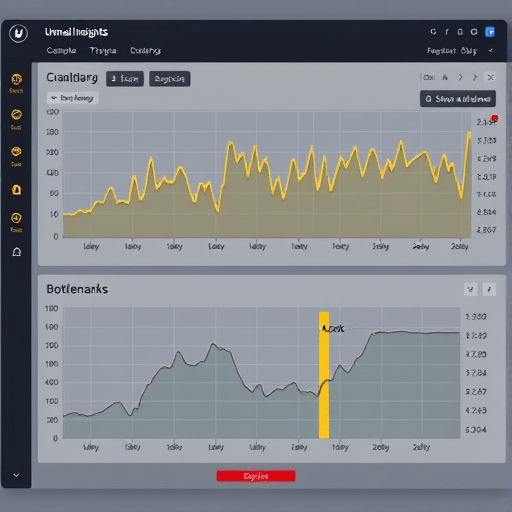
- Invest in observability and tooling—administrators and designers need dashboards to monitor hot spots, server stress, and emergent exploits.
- Iterate on soft systems (decay, incentives) rapidly—community behavior will reveal exploits and balance issues fast.
Balancing developer-driven and player-driven content
Persistent Warzones thrive when designers seed meaningful constraints and let players fill in the rest. Developer events (seasonal assaults, narrative drops) create peaks of interest, while player-driven alliances, betrayals, and economies generate the day-to-day drama that retains communities.
Conclusion
Persistent Warzones show how thoughtful integration of design, netcode, and player-driven systems can convert short matches into an ongoing, living conflict where hundreds of players leave a measurable mark. The trick is to balance instant gratification with long-term consequence, and to engineer systems that scale, remain fair, and encourage emergent social play.
Want to explore building your own FPS-MMO hybrid or redesign an existing multiplayer system? Start sketching the persistence model and test it with a single, high-impact objective to see how player behavior unfolds.