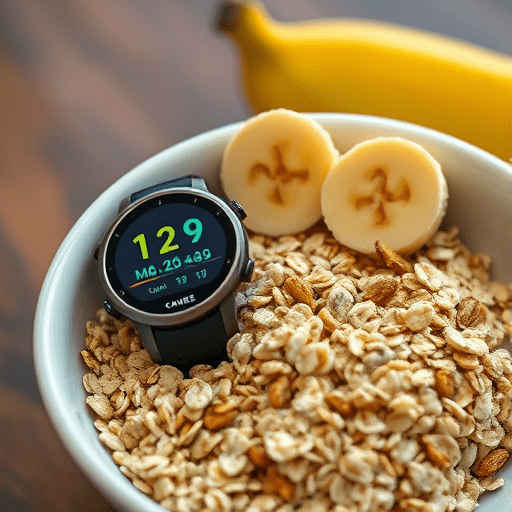
Chrono-nutrition for Peak Performance is an evidence-informed strategy that synchronizes macronutrient timing with an athlete’s circadian rhythms to amplify training adaptations, optimize recovery, and strengthen injury resilience. When macronutrient timing matches biological rhythms—insulin sensitivity, cortisol peaks, melatonin onset, and muscle protein synthesis cycles—athletes can extract more benefit from training, sleep better, and recover faster.
Why circadian alignment matters for athletes
Every athlete operates on a 24-hour clock controlled by the circadian system. That internal clock influences metabolic pathways—glucose tolerance, lipid metabolism, and the hormonal milieu that governs muscle repair and inflammation. Misaligned eating (late-night heavy meals, erratic energy intake) can blunt training adaptations, worsen sleep quality, and increase inflammation, whereas timed meals can promote efficient fuel use and protein accretion.
Key biological levers affected by timing
- Insulin sensitivity: Highest in the morning and early afternoon—ideal windows for carbohydrate-rich meals and glycogen replenishment.
- Cortisol rhythms: Cortisol peaks on awakening, supporting morning performance but also modulating protein turnover.
- Muscle protein synthesis (MPS): Stimulated by evenly spaced protein doses across the day and heightened around training sessions.
- Sleep hormone (melatonin): Rises in the evening—late carbs and stimulants can disrupt sleep-dependent recovery.
Principles of macronutrient timing for athletes
The following principles balance physiology with practicality. They are adaptable across sports and training times.
- Prioritize breakfast and early-day carbs—use morning/early-afternoon carbohydrate sources to match peak insulin sensitivity and support high-quality training sessions or glycogen restoration.
- Distribute protein evenly—aim for 0.3–0.4 g/kg of body weight per meal across 3–5 meals to maximize MPS.
- Time fast-acting carbs around intense sessions—pre-workout carbs (30–90 minutes) and post-workout carbs (within 60 minutes) help fuel performance and speed glycogen repletion.
- Reduce late-night carbohydrate load—lower glycemic meals in the evening minimize sleep disruption and overnight metabolic stress.
- Use targeted nutrients for connective tissue—collagen peptides with vitamin C taken ~30–60 minutes before loading may support tendon and ligament remodeling.
Practical daily templates by training time
Morning training (6–9 AM)
- Pre-workout (30–60 min): small carb + caffeine if tolerated (e.g., banana + 150 mg coffee) to top-up glycogen and sharpen focus.
- Post-workout (within 60 min): 20–40 g high-quality protein + 0.5–1.0 g/kg carbs for recovery (e.g., whey smoothie with oats and berries).
- Breakfast (1–2 hours later): balanced meal with 25–40 g protein, carbs, and healthy fats to sustain daytime MPS.
Afternoon training (12–4 PM)
- Pre-workout (60–90 min): moderate meal with carbs and protein (e.g., rice, chicken, vegetables).
- Immediate post-workout: protein-first strategy (25–40 g) and targeted carbs if training was glycogen depleting.
- Late-afternoon snack: small protein-rich snack to bridge to dinner and support MPS.
Evening training (6–9 PM)
- Pre-workout: lighter carb load to avoid post-session sluggishness (e.g., sweet potato or quinoa with lean protein).
- Post-workout: prioritize protein (30–40 g) and modest carbs; avoid large late-night sugary meals.
- Before bed: casein or slow-digesting protein (20–40 g) can support overnight repair without disrupting sleep.
Sample 24-hour chrono-nutrition plan
This example suits a strength athlete training in the late afternoon.
- 07:00 — Wake, small fluid + electrolytes, balanced breakfast (eggs, whole-grain toast, fruit). 30–40 g protein.
- 10:30 — Mid-morning snack: Greek yogurt + berries (20 g protein).
- 13:00 — Lunch (largest carb meal): brown rice, salmon, vegetables; focus on carbs here for insulin sensitivity and afternoon performance.
- 15:30 — Pre-workout snack: banana + small protein shake.
- 16:30 — Training session.
- 17:30 — Post-workout: whey protein (30–40 g) + 0.5 g/kg carbs if session was glycogen-depleting.
- 19:00 — Dinner: lean protein, vegetables, healthy fats; keep carbs moderate.
- 21:30 — Optional pre-sleep casein or cottage cheese (20 g) to support overnight MPS.
Programming for injury resilience
Nutrition timing can be a low-friction way to protect tissues. Key tactics:
- Collagen + vitamin C before load: 15–20 g collagen peptides with 50–100 mg vitamin C taken 30–60 minutes pre-loading can provide amino acid precursors for tendon remodeling.
- Anti-inflammatory timing: Favor whole-food sources of omega-3s and phytonutrients at meals across the day rather than bolus dosing that might blunt training adaptation.
- Ensure caloric sufficiency: Under-fueling increases injury risk—align total daily energy with training load and periodization phases.
Common pitfalls and how to avoid them
- Overemphasis on one macronutrient: Timing matters, but balance matters more—don’t sacrifice protein or healthy fats for timing perfection.
- Late-night bingeing: Track energy distribution; concentrate carbs earlier when possible to protect sleep and recovery.
- Rigid rules for everyone: Individual chronotype (morning lark vs. night owl) modifies optimal timing—use the guidelines and then refine with performance and sleep metrics.
Testing and personalization
Start with a 2–4 week trial of a chrono-nutrition plan that matches your training times and measure sleep quality, training output, and soreness. Use simple metrics—RPE, sleep duration/efficiency, morning resting heart rate, and subjective recovery—to fine-tune timing, meal composition, and supplement windows. Work with a sports dietitian to integrate periodization, competition travel, and weight-class demands.
Chrono-nutrition for Peak Performance doesn’t require radical diet overhaul—small, consistent shifts in when you eat carbs and protein relative to your biological clock and training can compound into meaningful gains in adaptation, recovery, and injury resilience.
Conclusion: Aligning macronutrient timing with circadian rhythms offers athletes a practical, low-risk lever to enhance training adaptations and support long-term resilience; start with even protein distribution, concentrate carbs earlier in the day, and use targeted nutrients around training to protect connective tissue. Ready to tailor a chrono-nutrition plan to your sport and schedule? Contact a sports nutritionist to get a personalized protocol that fits your chronotype and goals.