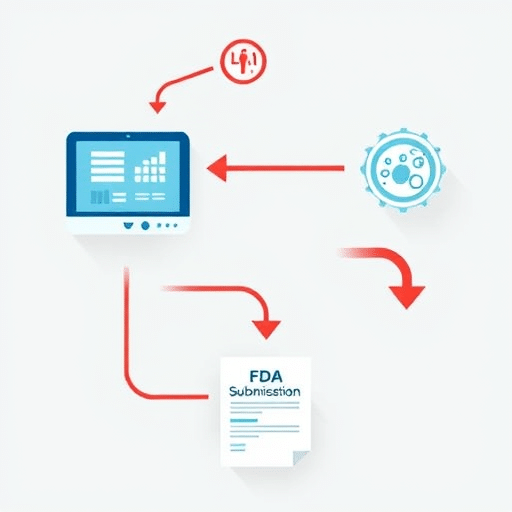
The Ambient Clinic is a new model of care that blends passive sensors, smart devices and brief clinician micro-visits to create continuous telehealth hubs in patients’ homes; by enabling earlier detection, personalized prevention and frictionless follow-up, this approach is reshaping preventive care, privacy practices and reimbursement pathways.
What is the Ambient Clinic?
The Ambient Clinic describes an ecosystem where a patient’s living environment becomes an active source of health data. Rather than episodic encounters in clinics or waiting for symptoms to prompt care, passive sensors (motion, ambient sound, door usage), wearable and smart-home health devices (scales, smart blood pressure cuffs, medication dispensers) feed low-friction, clinically meaningful information into care teams. Clinicians then intervene with short, targeted micro-visits—often virtual—to prevent deterioration and support healthy behaviors.
Key components
- Passive sensors: Non-wearable devices that monitor patterns like mobility, sleep, and daily routines without requiring user input.
- Smart devices and wearables: Devices that capture vitals and adherence data and sync automatically to care platforms.
- Data orchestration platforms: Systems that aggregate, filter and flag clinically relevant trends for clinicians.
- Micro-visits: Short, focused clinician interactions (5–15 minutes) delivered via telehealth to address flagged concerns or reinforce care plans.
How passive sensors and smart devices reshape preventive care
Passive sensors and smart devices move preventive care upstream by turning subtle behavioral changes into actionable signals. Instead of reacting to falls, exacerbations or missed appointments, care teams detect early deviations—slower gait, fewer kitchen interactions, rising nocturnal restlessness—and deploy low-cost interventions immediately. This continuous, low-burden monitoring supports three major shifts:
- From episodic to longitudinal care: Continuous signals reveal trajectories rather than snapshots, improving risk stratification and personalized prevention.
- From reactive to proactive intervention: Early micro-visits can prevent hospitalizations, reduce medication errors, and improve chronic disease control.
- From clinic-centric to home-first models: Care is embedded in the context where health behavior actually happens, increasing relevance and adherence.
Micro-visits: the glue that converts data into care
Micro-visits are brief, structured clinician encounters triggered by sensor-derived alerts or scheduled as proactive check-ins. Their strengths are speed, specificity and low cost:
- 5–15 minute telehealth check-ins for medication adjustments, fall-risk counseling, or behavioral coaching.
- Integration with asynchronous messaging for data review and patient education between visits.
- Task delegation to nurses, care coordinators, or AI-assisted triage to preserve physician bandwidth.
Clinical use cases
- Early detection of heart failure decompensation through weight trends and reduced activity, prompting diuretic titration.
- Fall-risk mitigation when movement patterns change—leading to home safety modifications and physical therapy referrals.
- Medication adherence reinforcement via smart pill dispensers and short adherence micro-visits.
Privacy and consent: practical strategies
Embedding cameras, motion sensors and microphones into homes raises understandable privacy concerns. Trust hinges on transparency, consent and strong technical controls. Recommended approaches include:
- Explicit, tiered consent: Let patients choose which sensors are active, who can access data, and what thresholds trigger contact.
- Edge processing: Analyze raw signals locally where possible and send only de-identified or thresholded alerts to cloud systems to reduce exposure.
- Auditability and control: Provide easy-to-use dashboards showing what data is collected, who viewed it, and options to pause monitoring.
- Clear communication: Explain benefits, limitations, and data retention policies in plain language during enrollment.
Reimbursement and business model evolution
Financial sustainability is essential for scaling Ambient Clinic models. Reimbursement is evolving but uneven, and successful programs combine multiple streams:
- Remote Patient Monitoring (RPM) and Chronic Care Management (CCM): Existing CPT codes can cover some physiologic data collection and care coordination time.
- Telehealth and virtual visit billing: Micro-visits can often be billed as virtual visits; bundling may be possible under value-based contracts.
- Value-based arrangements: Shared-savings models reward reduced admissions and improved outcomes; preventive ambient monitoring fits well here.
- Device and subscription models: Some health systems subsidize devices and charge manageable monthly fees or partner with payers for coverage.
Strategically, clinics should start with high-impact populations (e.g., heart failure, COPD, frail older adults) where avoided admissions can justify initial investment while tracking claims and outcome metrics to support longer-term payer negotiations.
Implementation playbook for clinics and health systems
Starting small and iterating quickly helps manage risk and demonstrates ROI. A pragmatic playbook:
- Identify target cohort: Choose patient groups with high utilization and clear measurable outcomes.
- Pilot minimal viable stack: Deploy a few trusted sensors and a clinician dashboard to collect and act on a narrow set of signals.
- Design workflows: Map alert triage, micro-visit triggers, and escalation paths; train staff on new roles.
- Measure and refine: Track utilization, hospitalizations avoided, patient satisfaction, and privacy incidents.
- Scale with payer engagement: Use pilot data to negotiate reimbursement or value-based contracts that sustain expansion.
Patient experience: keeping humans at the center
Technology should reduce burden, not add complexity. Successful Ambient Clinic programs prioritize simple device onboarding, visible value for patients (faster support, safety), and respect for autonomy. Engaging patients as partners—soliciting feedback and offering opt-outs—improves acceptance and long-term adherence.
Risks and limitations
Ambient monitoring is not a panacea. False positives can create alarm fatigue, and unequal access to broadband or smart devices can widen disparities. Clinicians must guard against over-reliance on signals and maintain human judgment. Regulatory and liability frameworks are still evolving, so clear policies and legal counsel are important when launching programs.
Looking ahead: a hybrid future
The Ambient Clinic will likely evolve into hybrid models where in-person, synchronous telehealth and ambient monitoring co-exist. Advances in federated learning, stronger privacy-preserving analytics and clearer reimbursement rules will accelerate adoption. As technology becomes less obtrusive and more clinically validated, homes will increasingly serve as first-line preventive care environments.
In summary, the Ambient Clinic—built from passive sensors, smart devices and micro-visits—offers a pragmatic path to continuous, preventive care that can lower costs and improve outcomes when deployed with attention to privacy, clinician workflows and sustainable reimbursement.
Conclusion: The Ambient Clinic transforms reactive care into continuous support by embedding clinical intelligence into daily life, and with thoughtful design it can improve health while respecting privacy and payer realities.
Call-to-action: Interested in piloting an Ambient Clinic program for your practice or community? Reach out to schedule a strategy session.