The Rise of Hybrid Games
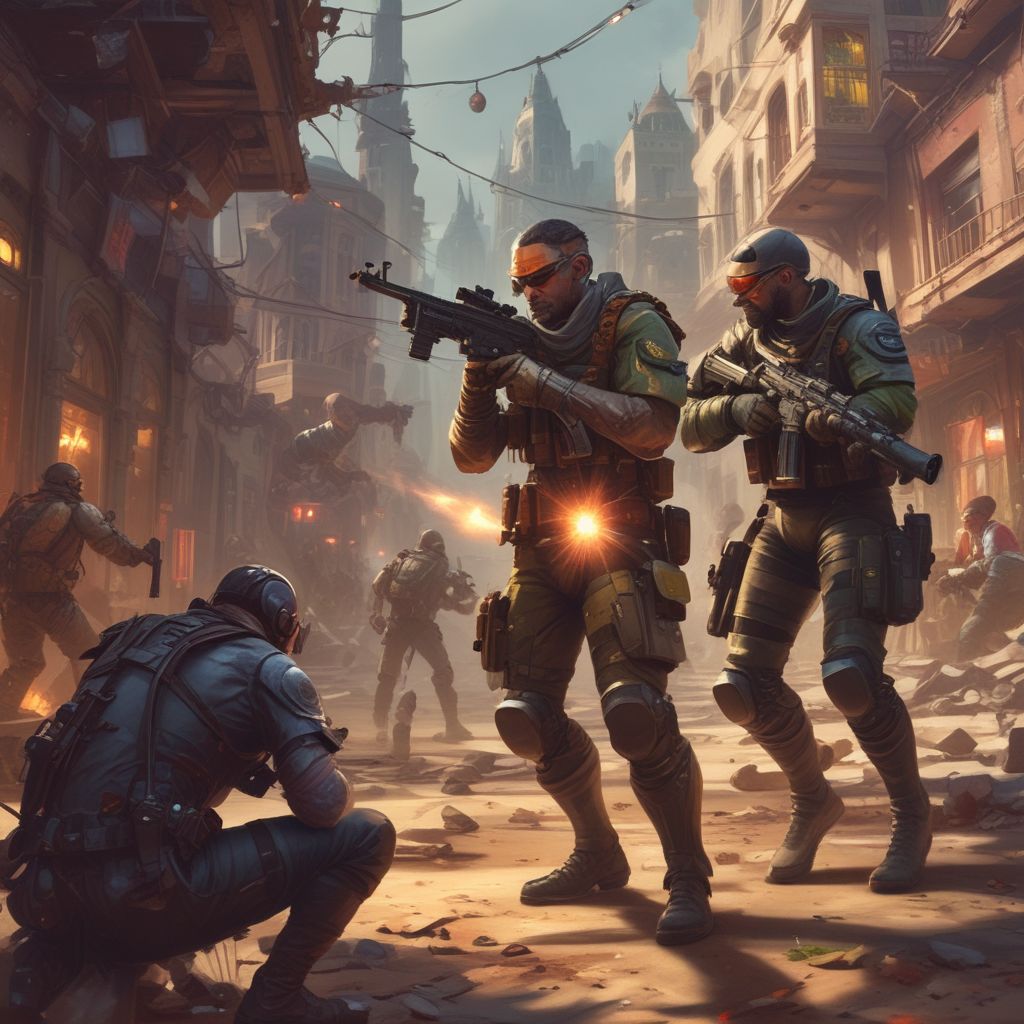
Traditional FPS games focus on immediate action and tactical precision, while MMOs emphasize long-term progression and communal experiences. Titles like Destiny 2 and The Division pioneered this fusion, proving players crave both adrenaline-pumping shoots and deep, evolving worlds. Recent releases continue to push these boundaries, creating ecosystems where gunplay evolution is as crucial as character development.
Blending Speed and Scale
Hybrid games introduce unique challenges: how to maintain FPS responsiveness while supporting MMO-scale populations. Solutions often include:
- Dynamic server partitioning that isolates intense combat zones
- Weapon systems that balance rapid fire with meaningful reload mechanics
- Environmental interactions that affect global objectives
This approach keeps gameplay smooth whether players face a lone enemy or a coordinated raid.
Core Mechanics Evolution
Gunplay in these hybrids isn’t just about damage numbers—it’s about strategic layering. Weapons often feature modular components that change behavior based on player level or equipped gear. Progression systems grant access to new firing modes, scopes, or tactical abilities, turning simple shooters into complex resource management puzzles.
From Bullets to Build Systems
Many titles now let players construct temporary fortifications during lulls in combat. These structures serve multiple purposes:
- Creating cover for regrouping
- Enabling strategic chokepoints
- Providing platforms for elevated firing angles
This merges FPS reflexes with MMO-style territorial control, rewarding both quick thinking and long-term planning.
Player Progression Redefined
Traditional MMO progression through levels and gear clashes with FPS preferences for immediate effectiveness. Hybrid games solve this by separating character advancement from loadout customization. Players unlock permanent abilities while experimenting with ever-changing weapon configurations.
Loot That Matters Immediately
Dropped equipment isn’t just cosmetic—it alters combat dynamics right away. A newly acquired assault rifle might fire faster but require more reloading practice, creating natural skill curves. This keeps high-level players engaged while ensuring newcomers remain viable.
Community and Persistence
Persistent worlds thrive on player interaction, and combat hybrids leverage this through shared threats and goals. Global events pit entire player bases against AI overlays, with weapon performance shifting based on collective effort. These systems foster cooperation without sacrificing the thrill of solo engagements.
Voice Chat and Strategic Coordination
Effective hybrid combat often relies on communication styles borrowed from both genres. Quick voice commands coordinate pushes, while longer strategic discussions plan territory holds. This creates social layers that deepen both competitive and cooperative experiences.
Challenges in Balancing
Merging these genres isn’t without hurdles. Developers must juggle:
- Frame rate consistency during large battles
- Progression pacing that satisfies grinders and casuals
- Weapon balance across vastly different playstyles
Solutions often involve dynamic difficulty adjustment and context-aware spawn systems that adapt to current combat scenarios.
The Role of Matchmaking
While persistent worlds encourage organic grouping, dedicated matchmaking systems ensure balanced encounters. Skill-based pairing works alongside territory-based clustering, letting players switch between solo strikes and coordinated assaults seamlessly.
The Future of Hybrid Combat
Innovations on the horizon promise even deeper integration. Artificial intelligence may soon generate adaptive enemy waves that respond to player tactics in real time. Cross-platform play could enable console and PC